
Key Takeaways
- Smart locks streamline property access and tracking for real estate agents and clients.
- A careful approach to implementation, education, and security safeguards is essential for agent effectiveness.
In today’s fast-moving real estate landscape, efficient property access is critical for top-performing agents. Smart locks and digital access control systems are transforming how you show, secure, and manage listings—while also creating new considerations for client communication and compliance. This practical guide explains technology basics, selection criteria, and best practices tailored for real estate professionals.
What Are Smart Locks in Real Estate?
Smart lock basics and technology
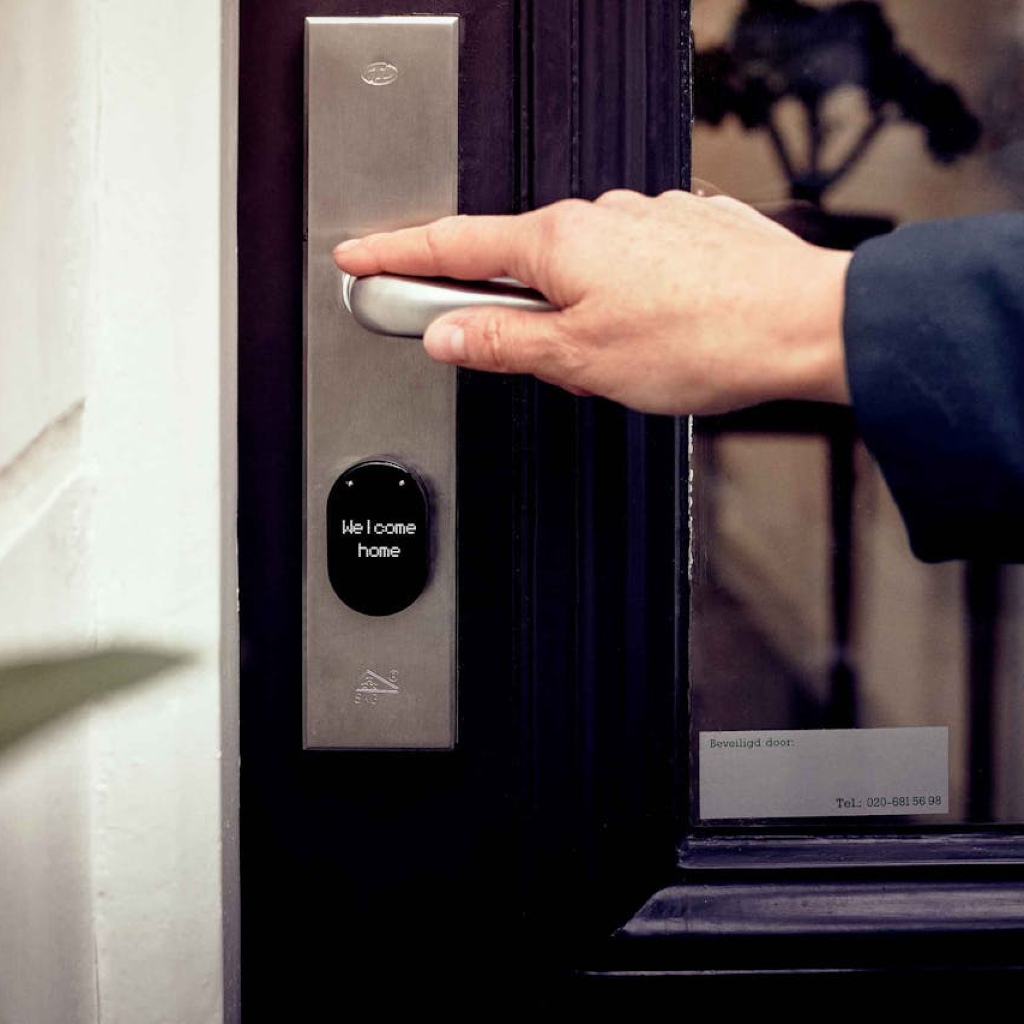
Smart locks are electronic locking devices that replace or supplement traditional keys with digital authentication methods. They leverage technologies such as Bluetooth, Wi-Fi, encrypted codes, or smartphone apps to provide flexible, remote-controlled access to properties. For real estate professionals, this means you can grant, manage, or revoke access at any time—reducing risks associated with lost keys or uncontrolled duplication.
Common types used in property sales
Within real estate, the most common types of smart locks include keypad-based systems, app-controlled deadbolts, Bluetooth-enabled locks, and combination devices compatible with existing deadbolts. Some units offer temporary digital codes—ideal for showings—while others support integration with lockboxes or central management portals. Your choice will depend on property type, access frequency, and technical compatibility.
Benefits of Smart Locks for Agents
Simplified property access
For agents juggling multiple listings or high showing volume, smart locks streamline the logistics of property tours. You can issue digital keys, codes, or remote access on a per-visitor basis—making it easier to schedule overlapping appointments or multi-agent tours without exchanging physical keys. This reduces scheduling friction and the risk of access delays.
Enhanced security and tracking
Digital access control enables far greater visibility over property entry. Each code or virtual key can be logged—creating a digital record of who entered and when. Many systems notify you instantly after a successful entry, helping you monitor traffic during open houses or ongoing showings. Enhanced tracking promotes client trust and supports your responsibilities for property security.
How Does Digital Access Control Work?
Keyless entry systems explained
Keyless entry systems replace traditional keys with PIN codes, mobile app permissions, or proximity-based credentials. Real estate agents can assign unique codes to contractors, buyers, and colleagues—setting expiration times and specific schedules. This empowers you to control and audit access while minimizing the administrative burden of managing physical keys.
Integration with other property tech
Modern smart locks often integrate with property management platforms, showing scheduling tools, security cameras, and even environmental controls. For example, some systems allow you to automatically adjust thermostats or arm security systems after confirming a showing has ended. Coordinated technology enhances the overall experience for clients and agents alike.
Implementing Smart Locks: Step-by-Step
Assessing property type and needs
Before installation, review each property’s characteristics: Is it an individual home, multi-unit building, or condo? Factors such as existing hardware, door structure, connectivity, and client preferences will influence your smart lock options. Consider the volume of anticipated showings and the level of access control required.
Choosing the right smart lock
Focus on locks certified for residential use that offer both physical entry and robust digital features. Evaluate security specifications, battery life, compatibility with smartphones, and the ease of issuing or revoking digital access. Ensure that the system accommodates temporary codes or scheduled access—key needs for real estate operations.
Installation and setup tips
Professional installation is often recommended, especially for properties with older doors or less common lock configurations. Confirm that Wi-Fi signal strength or Bluetooth coverage is adequate for system reliability. Once installed, thoroughly test each feature: create and delete codes, share mobile access, and check audit logs. Regularly update the device firmware and educate sellers or maintenance personnel about operating procedures.
Are Smart Locks Safe for Showings?
Security features to consider
Most smart locks designed for real estate include several built-in safeguards: two-factor authentication, encrypted code generation, tamper alerts, and audit logs for access tracking. Many also maintain conventional keyed entry as a backup. Evaluate the system’s resilience to network outages and unauthorized access attempts when selecting devices for your listings.
Limitations and best practices
A digital solution is only as strong as its configuration and oversight. Common limitations include battery dependency, potential technical malfunctions, and reliance on secure Wi-Fi. To enhance safety, set strict code expiration policies, limit code sharing, and monitor access reports regularly. Always backup digital data and document protocols for restoring manual access in case of device failure.
What to Communicate to Clients?
Explaining benefits and privacy
Clients appreciate that digital locks remove the worry of lost keys and unauthorized duplication. When introducing the concept, explain that audit logs enable controlled access and increased transparency throughout the showing or rental process. Emphasize privacy features such as limited data collection and strict control over who can issue or revoke digital credentials.
Addressing common client concerns
Some clients may worry about hacking risks, lock malfunctions, or privacy breaches. Address these concerns by explaining security certifications, system redundancies, and ongoing monitoring procedures. Clearly outline the steps taken to ensure property safety, and share options for reverting to traditional access methods if desired.
Alternatives to Smart Locks for Agents
Traditional lockboxes
Lockboxes remain a common and accepted method for property access. Typically mounted near the door, these boxes require a physical or digital code to release a mechanical key. While simpler, lockboxes don’t always provide real-time tracking or remote access management but can serve as a practical backup or for clients preferring conventional solutions.
Agent-assisted entry solutions
In-person showings, escorted entries, and on-site check-ins are still standard in many situations. For luxury or high-security listings, direct agent supervision may be the most appropriate option to ensure privacy and integrity. Consider the preferences of both sellers and buyers, along with property-specific security needs, when choosing access strategies.