

Key Takeaways
- Thorough NOI analysis requires attention to both hidden income sources and underestimated expenses.
- Agents who communicate comprehensive NOI findings strengthen client relationships and improve valuation accuracy.
Data shows a majority of property sellers overlook at least one critical NOI driver—leading to significant mispricing and missed opportunities. As an agent, your ability to identify these overlooked factors not only supports more accurate valuations but also positions you as a trusted advisor in a competitive market.
What Is NOI in Real Estate?
Definition of net operating income
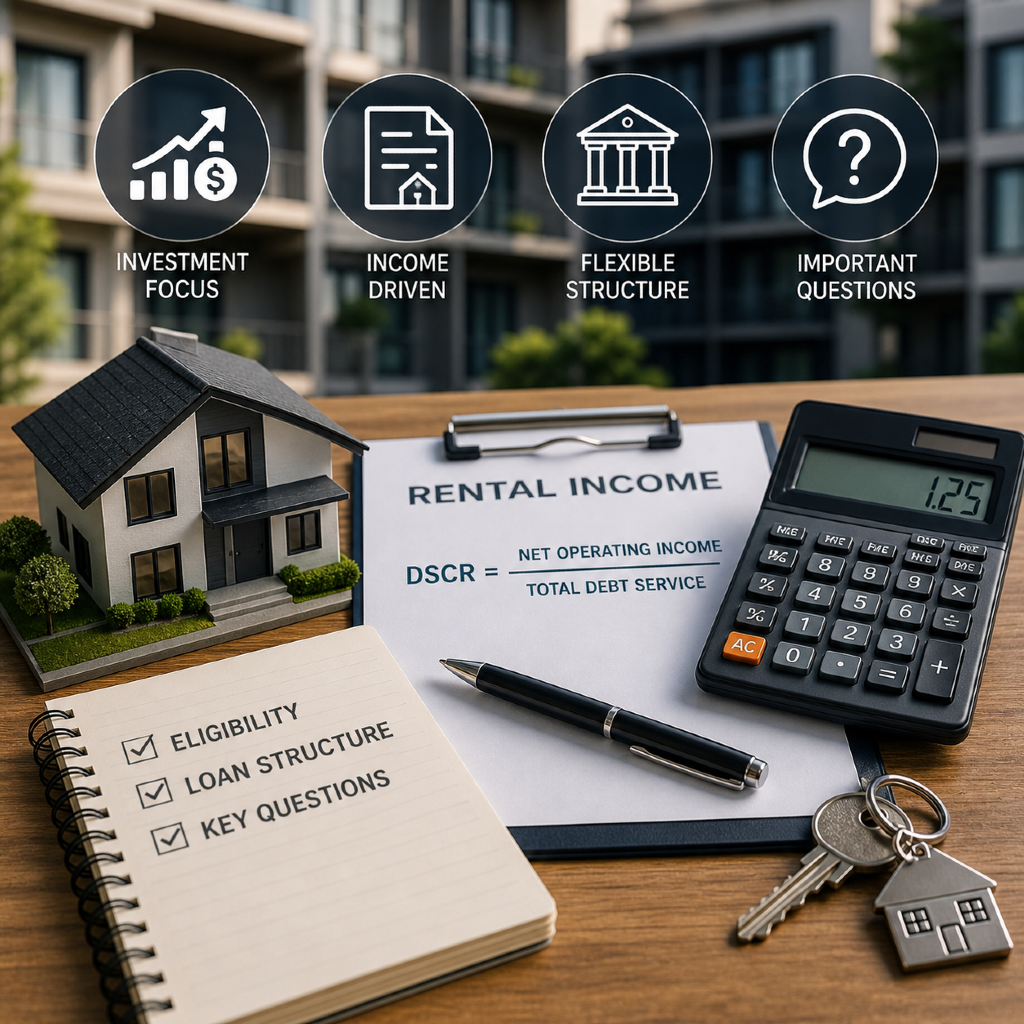
Net operating income (NOI) is a foundational concept in real estate finance. It represents the total income a property generates from its operations, after subtracting all reasonably necessary operating expenses, but before accounting for financing costs and taxes. Simply put, NOI is the difference between a property’s gross operating income and its operating expenses, providing a clear indicator of its earning potential.
Importance for property sellers
For property sellers, understanding NOI is essential because it directly influences how buyers—and their lenders—value a property. A robust NOI signals strong investment potential, while overlooked factors can lead to undervaluation or unexpected issues during the sale process. Accurately calculated NOI allows for realistic pricing, smoother negotiations, and greater transparency for all parties involved.
Why Do Sellers Overlook Key NOI Drivers?
Common misconceptions among sellers
Sellers frequently believe that NOI is a straightforward figure, simply subtracting basic expenses from rental income. In reality, NOI calculations require a more nuanced approach. Misconceptions often stem from focusing solely on headline rents and ignoring less obvious income sources or expenses. Additionally, some sellers may use outdated templates or fail to update records regularly, further skewing actual NOI.
Impact of incomplete NOI assessments
Incomplete or inaccurate NOI assessments can result in mispricing a property, increased time on market, and difficult negotiations. When sellers underestimate expenses or miss relevant revenue streams, buyers may discover discrepancies during due diligence. This can erode trust and delay or even derail transactions, impacting your credibility as an agent.
Underrated Income Sources to Consider
Ancillary revenue streams
Beyond base rent, properties often generate ancillary income such as parking fees, laundry facilities, tenant storage, or vending machines. These revenue sources, while modest individually, can meaningfully boost NOI if properly accounted for. As an agent, encourage sellers to document all possible income streams—no matter how minor they may seem.
Variable lease structures
Lease agreements sometimes include escalations, reimbursements for utilities, or negotiated income from signage or telecommunications. Reviewing lease terms for these provisions is critical. Agents should also look for percentage rent agreements or short-term rental revenue, both of which can materially affect NOI when accurately reported.
Are All Expenses Properly Accounted For?
Hidden or underestimated operational costs
Operating expenses go beyond typical line items like property management, maintenance, and insurance. Sellers sometimes overlook costs such as landscaping, security, pest control, or compliance upgrades. Another common oversight is deferred maintenance that may surface only during the transaction. You can add value by conducting a line-by-line expense review and flagging any gaps.
Seasonal and irregular expense factors
Some expenses do not occur regularly but can have a real impact on NOI. Examples include snow removal, annual system inspections, major landscaping refreshes, or cyclical mechanical repairs. Accounting for these variable timing costs—averaged annually—ensures the NOI reflects true year-over-year performance, not just a snapshot from an unusually high or low-expense year.
How Market Changes Affect NOI Accuracy
Fluctuating rental rates and vacancies
NOI calculations must be up-to-date and reflect current market dynamics. Shifts in local rental rates, renewed leases at different terms, or changing vacancy rates can substantially impact net income. Agents should advise sellers to base projections on recent trends and not assume historical income will continue unchanged into the future.
Shifts in local regulations
Regulatory changes—such as updates in building codes, rent control provisions, or mandatory inspections—may alter a property’s expense structure. New compliance requirements or legal obligations often catch sellers off guard, especially if regulations update between assessment cycles. Keeping informed about recent and upcoming changes helps ensure NOI figures remain accurate and defendable during negotiations.
What Are the Risks of Overlooking NOI Drivers?
Potential valuation errors
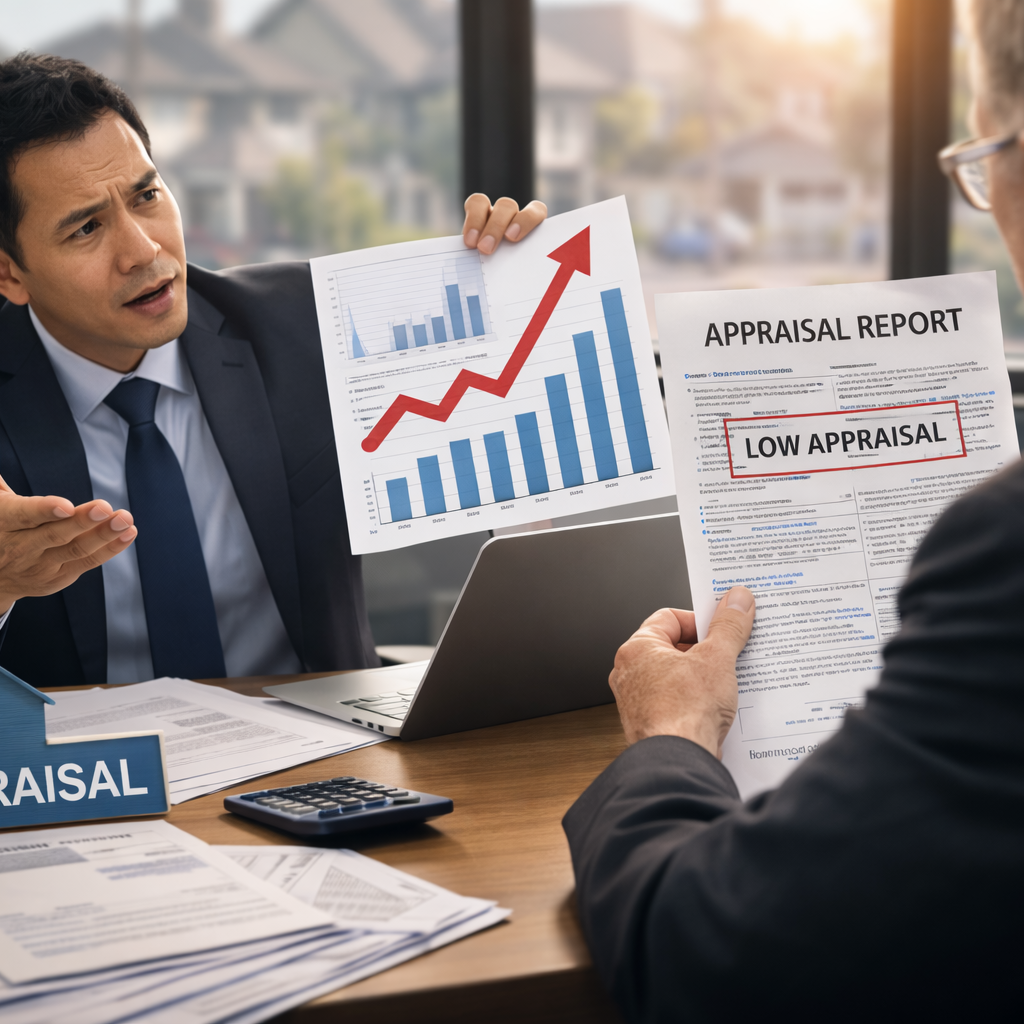
Failing to account for all relevant NOI sources and expenses can skew the perceived value of a property. Overstated NOI might lead to overpricing, while understated NOI could result in undervaluation and missed revenue opportunities. Both scenarios create complications for agents and clients, potentially leading to renegotiation or failed sales.
Implications for agent-client trust
Accurate NOI analysis strengthens your credibility, while overlooked factors can undermine client trust. If errors come to light during buyer due diligence, your reputation as a thorough and knowledgeable agent is at stake. Transparent, professional NOI evaluation reassures clients they are receiving reliable guidance throughout the transaction process.
Agent Best Practices for NOI Analysis
Due diligence tips for agents
Begin with a comprehensive review of income and expense statements—ideally spanning at least the past two years. Request backup documentation and cross-check figures with lease agreements, service contracts, and historical operating records. Ask direct questions about unusual expenses or income variances. Where possible, benchmark figures against similar properties in your market for additional accuracy.
Communicating findings to clients
Clarity is critical. Present your findings in an easy-to-understand format, highlighting both strengths and areas needing further validation. Use visuals or summary tables when appropriate. Encourage open discussions about any assumptions, and explain how each factor impacts valuation. By maintaining transparency, you establish trust and help clients make more informed decisions.
How Can Agents Stay Informed on NOI Factors?
Continuing education resources
Real estate markets and reporting standards evolve. Stay current by attending professional development workshops, subscribing to industry publications, and participating in webinars focused on valuation and investment analysis. Professional associations often provide up-to-date guides and case studies relevant to NOI.
Collaborating with valuation experts
Leverage relationships with commercial appraisers, accountants, and property managers. Collaborating with these specialists can uncover overlooked details and validate your assessments. This approach not only increases the accuracy of your NOI analysis but also demonstrates your commitment to a thorough, client-centered process.