

Key Takeaways
- A low appraisal can disrupt transactions but can often be addressed with a clear, data-driven rebuttal process.
- Strong agent-client communication and knowledge of 2026 market dynamics enhance your ability to overcome appraisal challenges.
Low appraisals are making an impact on many real estate transactions in 2026. Understanding the causes, effects, and effective response strategies can help you support your clients and safeguard deals while maintaining trust and transparency throughout the process.
What Is a Low Appraisal?
Definition and common causes
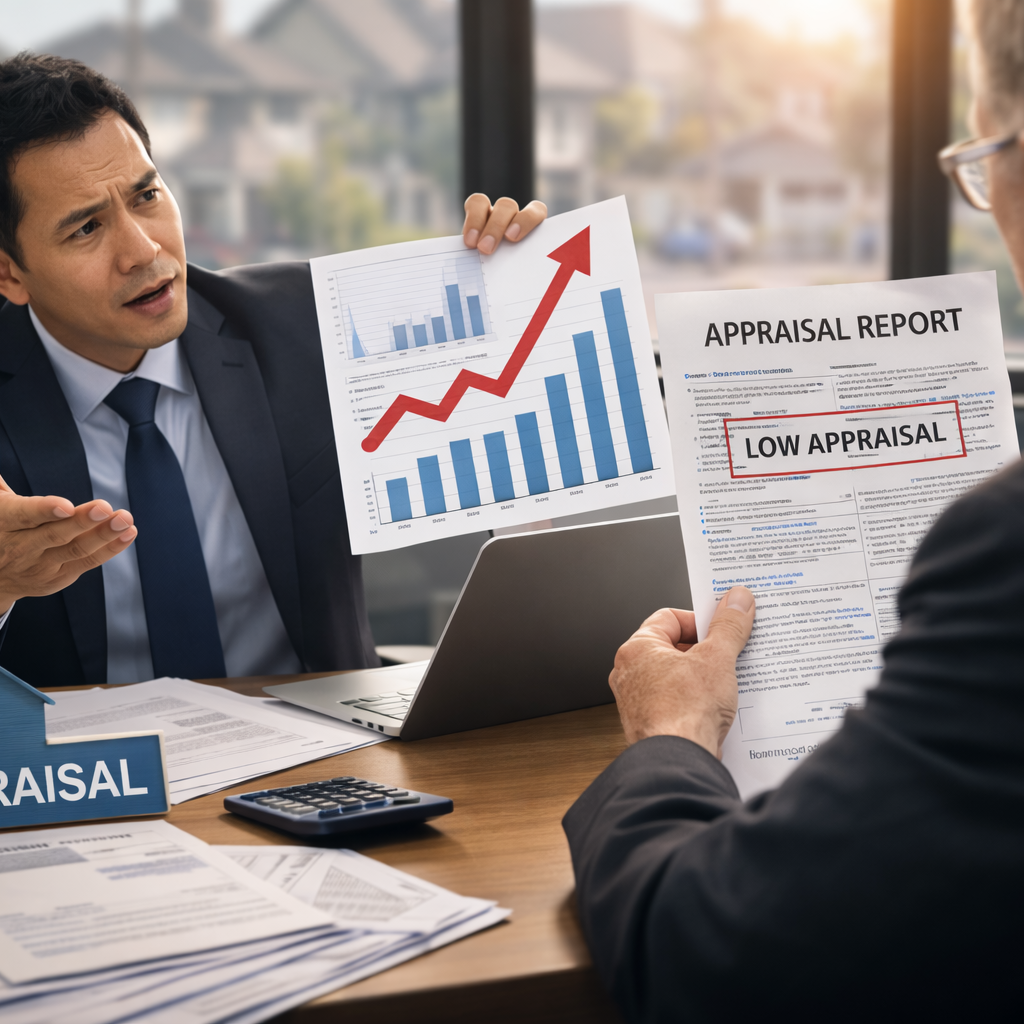
A low appraisal occurs when a licensed appraiser values a property at less than the agreed-upon purchase price. This often surprises everyone at the table. Common causes include recent comparable sales that are lower than expected, market shifts that outpace updates to comparable data, or property features that are difficult to quantify through standard valuation models.
How appraisals impact transactions
Appraisals play a financial gatekeeper role. Lenders rely on appraisals to determine the amount they are willing to loan, using the property as collateral. A low appraisal may limit financing options, force renegotiations, or even cause deals to fall through—making it critical to address such challenges promptly and professionally.
Why Do Appraisal Gaps Happen?
Market dynamics in 2026
In 2026, fast-moving markets, limited inventory, and aggressive bids can push sale prices higher than recent comparable sales. Appraisers, bound by data and regulations, may lag behind these rapid shifts, resulting in gaps between sale prices and appraised values.
Property-specific valuation challenges
Unique property features—like custom renovations, energy-efficient upgrades, or rare layouts—may not be fully captured in the appraiser’s valuation. If recent comps lack these features, your property could be underappraised, creating an unexpected shortfall.
How Do Low Appraisals Affect Buyers?
Loan qualification considerations
A low appraisal can mean your buyer’s financing won’t cover the full purchase price. Lenders typically base loan amounts on the lower of either the sales price or appraised value. This may require buyers to increase their down payment, renegotiate the sale price, or even walk away if the financing gap can’t be closed.
Negotiation implications for buyers
With a low appraisal, buyers may gain ground in negotiations. They can request that sellers lower the price or offer seller concessions to bridge the gap. However, this also introduces stress and uncertainty, and buyers could lose their earnest money if the deal can’t be salvaged.
How Do Low Appraisals Affect Sellers?
Potential adjustments to sale price
Sellers facing a low appraisal may be asked to reduce the sale price to match the new appraised value. While this can help keep the deal intact, it may come as a disappointment if expectations were set by higher offers or market activity.
Renegotiation and contract risks
A low appraisal often opens the door for buyers to renegotiate terms. This scenario may delay closing or lead to contract cancellations if agreement cannot be reached. Sellers who understand these risks can prepare more flexible negotiation strategies.
Can Agents Prevent Appraisal Issues?
Proactive communication strategies
While agents can’t control final appraised values, proactive communication helps set clear expectations. Early conversations with clients about possible appraisal outcomes and data-driven pricing strengthens trust and readiness for surprises.
Setting fair price expectations
Educate sellers about local comparable sales and recent market shifts before listing. Ensuring the listing price aligns with realistic appraisals reduces the chances of surprises and keeps negotiations grounded.
What Steps Can You Take After a Low Appraisal?
Rebuttal process overview
When you receive a low appraisal, don’t panic. Many lenders allow for a rebuttal or reconsideration of value process. You, as an agent, can collect supporting data, identify potential errors, and present your findings for review. This process doesn’t guarantee a change but allows you to address concerns with professionalism and precision.
Collaboration between agents and clients
Working together, agents and clients can review the appraisal report, highlight possible oversights, and assemble evidence to support a higher valuation. Open dialogue and shared documentation make the rebuttal process more effective and less stressful.
Step-by-Step: Building an Effective Rebuttal
Review the appraisal report
Start by reading every section of the report carefully. Look for factual errors—incorrect square footage, missed upgrades, or wrong comparables. Accuracy is your best asset.
Gather additional comparables
Search for recent sales in the immediate area that closely match the subject property in size, age, amenities, and condition. These comps should be as current as possible, ideally closing after the appraisal date.
Present supporting documentation
Compile receipts for major upgrades, photographs of improvements, and written descriptions of unique features. Back up every claim with clear evidence, making it easy for the appraiser or underwriter to understand the property’s market value.
Submit a clear written response
Organize your findings into a concise, well-structured letter or form as required by the lender. Include all supporting documents, emphasize factual errors or overlooked comps, and maintain a respectful, professional tone. Timely and thorough submissions increase the chance of your request being considered.
What Questions Should Clients Ask?
Clarification on appraisal methodology
Encourage clients to ask how the appraiser determined their value, which comps were selected, and if any unusual market factors were considered. Good questions uncover the reasoning behind the result—and sometimes, opportunities for rebuttal.
Understanding next steps with your agent
Clients should clarify the timing and requirements for any rebuttal process. Working closely with you, their agent, helps them feel informed and confident in their next actions.
Tips for Strong Agent-Client Communication
Explaining the appraisal process clearly
Break down the appraisal process and terminology into simple, everyday language. Use diagrams or real examples to illustrate complex points—especially with first-time buyers or sellers.
Maintaining transparency during challenges
Keep clients updated on appraisal timelines, outcomes, and actions taken in response. Honesty and regular progress reports help manage expectations and strengthen your professional relationship.
Common Appraisal Myths Debunked
Misconceptions about value appeal success
It’s a myth that most value appeals result in a higher appraisal. In reality, only clear errors or new, hard evidence will prompt a reconsideration. Setting realistic expectations is crucial.
Role of market conditions in appraisals
Clients may believe appraisals simply follow market buzz, but licensed appraisers must follow strict standards and rely on completed sales—not just current listings or pending deals. Recognize this when discussing gaps with clients.
How Can Agents Differentiate Themselves?
Demonstrating expertise in difficult scenarios
Showing deep knowledge of appraisal challenges and rebuttal strategies sets you apart. Walk clients through possible scenarios and next steps, providing support backed by data, not just promises.
Highlighting client education and advocacy
Your ability to teach, guide, and advocate transparently builds long-term trust. By championing your clients’ interests during appraisal challenges, you establish credibility and loyalty that can lead to lasting relationships.