

Key Takeaways
- Hotel-to-multifamily conversions can address rising rental demand but require thorough review of site suitability, regulations, and local market effects.
- Understanding both financial and community impacts is essential before pursuing hotel-to-multifamily projects in 2026.
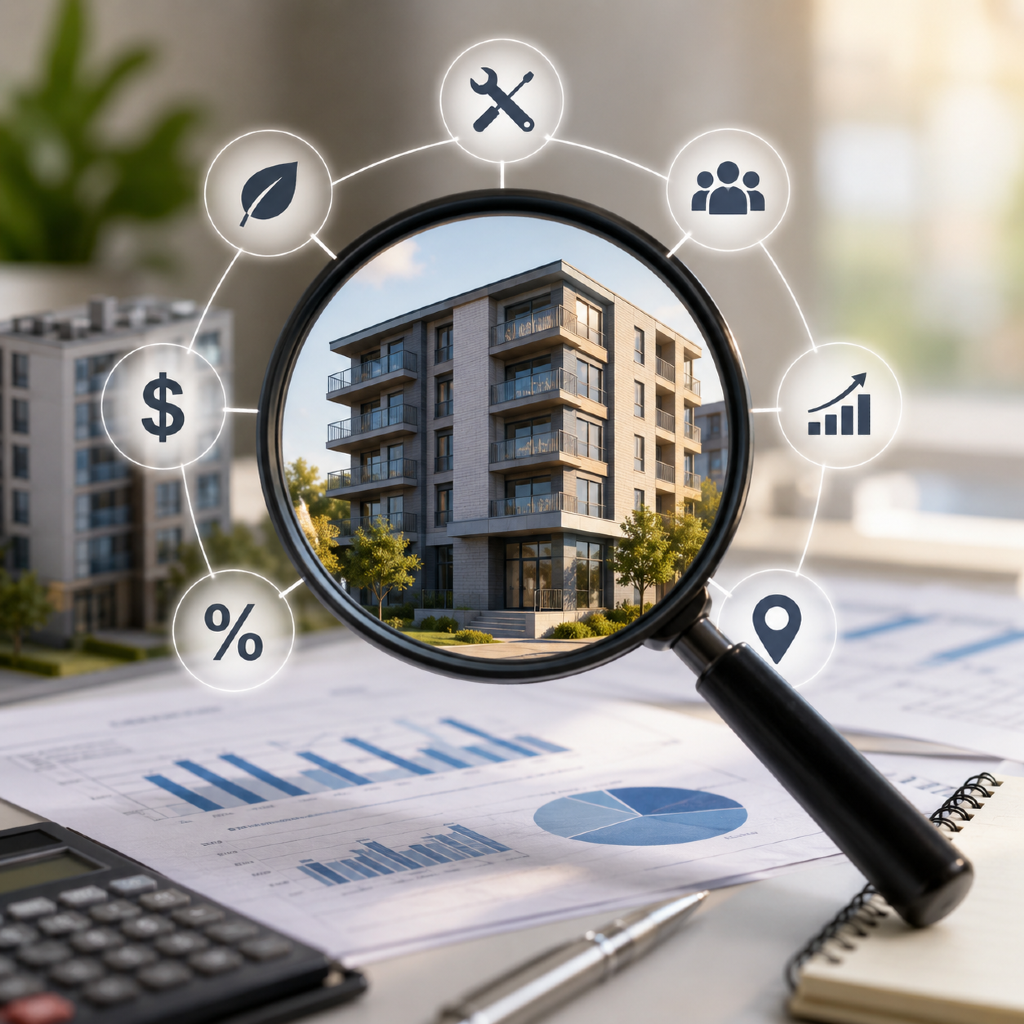
Interest in hotel-to-multifamily conversions continues to grow as rental demand surges and underused hotels present new opportunities. In 2026, real estate professionals are increasingly considering these projects for adaptive reuse, drawn by shifting economic and market trends. Let’s walk through the major points to know if you’re weighing this strategy.
What Are Hotel-to-Multifamily Conversions?
Definition and Basic Concept
Hotel-to-multifamily conversion refers to the process of repurposing an existing hotel property for use as long-term residential rentals. In these projects, hotel rooms are transformed into apartment units, ranging from micro-units to standard-sized rentals. The goal is to convert hospitality space into housing that meets local market demand, using the building’s existing structure wherever feasible.
This type of adaptive reuse often involves both reconfiguring the layout (to add kitchens and living spaces) and making upgrades to meet residential codes. While some conversions result in affordable housing, others focus on workforce or market-rate apartments, depending on the needs of the area.
Recent Trends in Conversions
In recent years, hotel-to-multifamily conversions have become more common, especially in markets where hotel performance has lagged behind residential demand. Pandemic-driven drops in travel first sparked these projects, but ongoing shifts in work, travel, and lifestyle now sustain the trend. City centers, suburban hubs, and even secondary markets have all seen increased interest in this conversion strategy as investors, developers, and community planners seek creative solutions to housing challenges.
Why Consider Converting Hotels in 2026?
Market Drivers in 2026
The primary motivation behind hotel-to-multifamily conversions this year is persistent demand for rental housing. In many urban and suburban markets, new construction cannot keep up with population growth or shifting migration patterns. At the same time, certain hotel segments—particularly older or limited-service properties—continue to face below-average occupancy and revenue.
Macro factors like higher borrowing costs, construction labor shortages, and growing policy incentives for residential development also play a role. For real estate professionals, these drivers make conversion projects a practical alternative to ground-up development.
Demand and Supply Dynamics
Rental housing demand continues to outpace supply, especially in high-growth job centers and in cities with tight zoning restrictions on new apartments. Meanwhile, hotel inventory that is outdated or poorly located for tourism can represent untapped potential. Conversions allow property owners and investors to reallocate underutilized assets to meet a pressing community need—housing—while potentially reducing risk compared to building new multifamily properties from scratch.
What Are the Main Benefits?
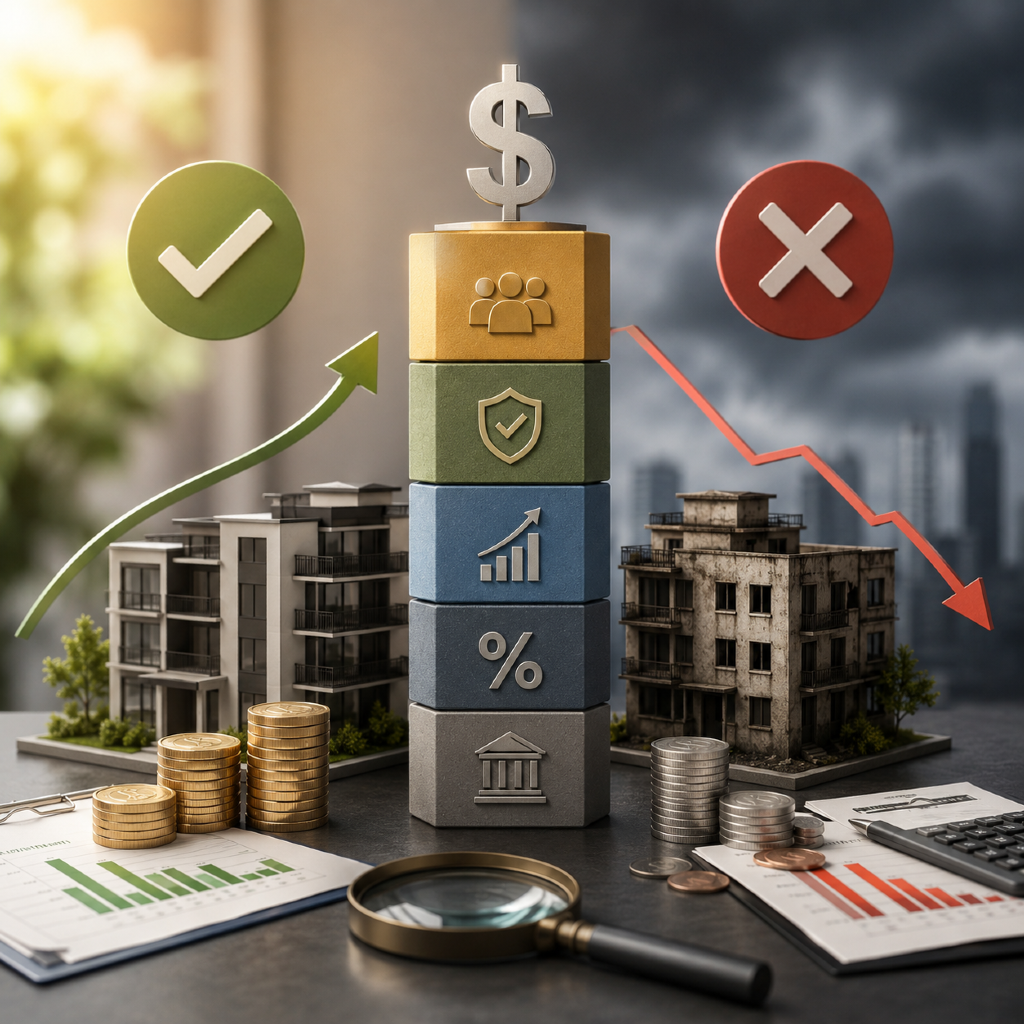
Potential Investment Returns
One of the main attractions of hotel-to-multifamily conversions is the possibility of stable, long-term rental income. By converting hotels, you may capture strong occupancy rates and predictable returns, depending on the local rental market. Upfront acquisition costs for distressed or aging hotels can be lower than for new sites, and timelines from purchase to cash-flowing property are often shorter than new construction if zoning and building suitability align.
This avenue also offers investors a way to diversify portfolios, leverage existing infrastructure, and sometimes access policy incentives aimed at boosting local housing supply.
Community Impact and Revitalization
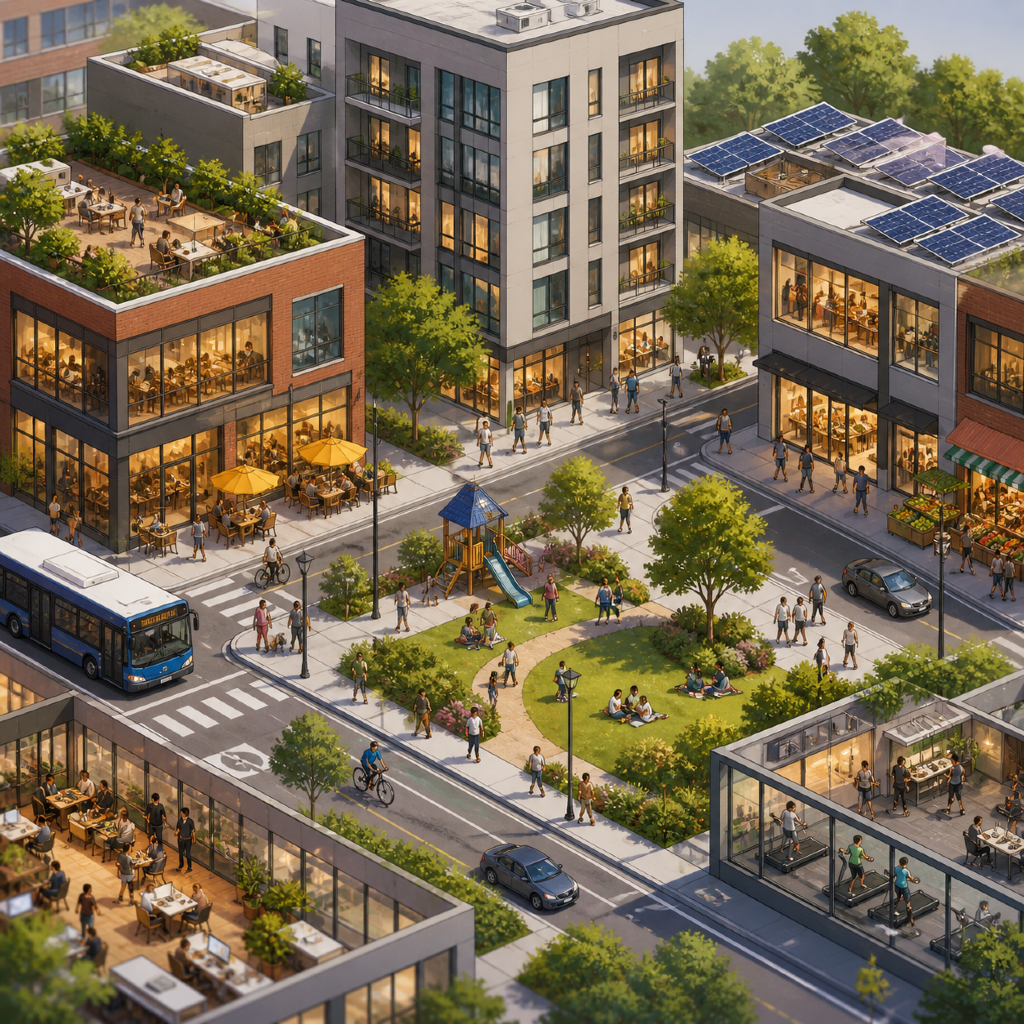
For communities, hotel-to-multifamily conversions can spur revitalization. Adaptive reuse reduces the number of vacant buildings and can help address local housing shortages, particularly near transit corridors or downtown cores. These projects can also promote sustainability by reusing existing structures, minimizing environmental impact compared to teardown and new build alternatives. If done thoughtfully, they also bring more residents and activity to neighborhoods, supporting local businesses and infrastructure.
What Are the Key Challenges?
Zoning and Regulatory Issues
One of the first hurdles is local zoning. Not all municipalities allow hotels to convert easily into residential use, and you may encounter restrictions related to density, parking, or building codes. Navigating entitlements, variances, and permits can be time-consuming and adds uncertainty to project timelines. In some areas, opposition from stakeholders or neighborhoods can increase complexity.
You should always collaborate closely with local planning authorities and legal counsel to avoid compliance pitfalls and be prepared for ongoing updates to zoning policies as cities adapt to new housing strategies.
Building Suitability and Costs
Suitability is another key concern. Not every hotel layout is right for conversion. Room sizes, window egress, plumbing infrastructure, and fire safety standards differ between hotels and apartment buildings. Retrofitting may require significant design and construction work—especially for kitchens, living areas, or ADA compliance. Unexpected costs can arise if existing mechanical systems, elevators, or the building envelope need major upgrades.
Careful due diligence and building assessments are essential to uncover hidden challenges before acquisition or construction begins.
How Do Conversions Affect Local Markets?
Rental Housing Supply Implications
By shifting hotel inventory into housing stock, conversions help ease rental market pressures. This can stabilize rent growth in supply-constrained locations and provide more options for residents. However, large-scale conversions may raise new questions about neighborhood infrastructure, parking, or changes in local services demand. Monitoring impacts helps public and private stakeholders balance the benefits of added housing with community needs and plans.
Effects on Hotel and Multifamily Sectors
For the hotel sector, conversions remove underperforming properties from a crowded market, potentially aiding recovery for remaining hotels with stronger demand. In contrast, the multifamily sector gains renewed supply, sometimes helping balance market-tightness and rents. Real estate professionals must assess how project scale and timing affect competition in both sectors and prepare to adapt as trends shift in response to regional and national forces.
Which Properties Are Best for Conversion?
Site Selection Criteria
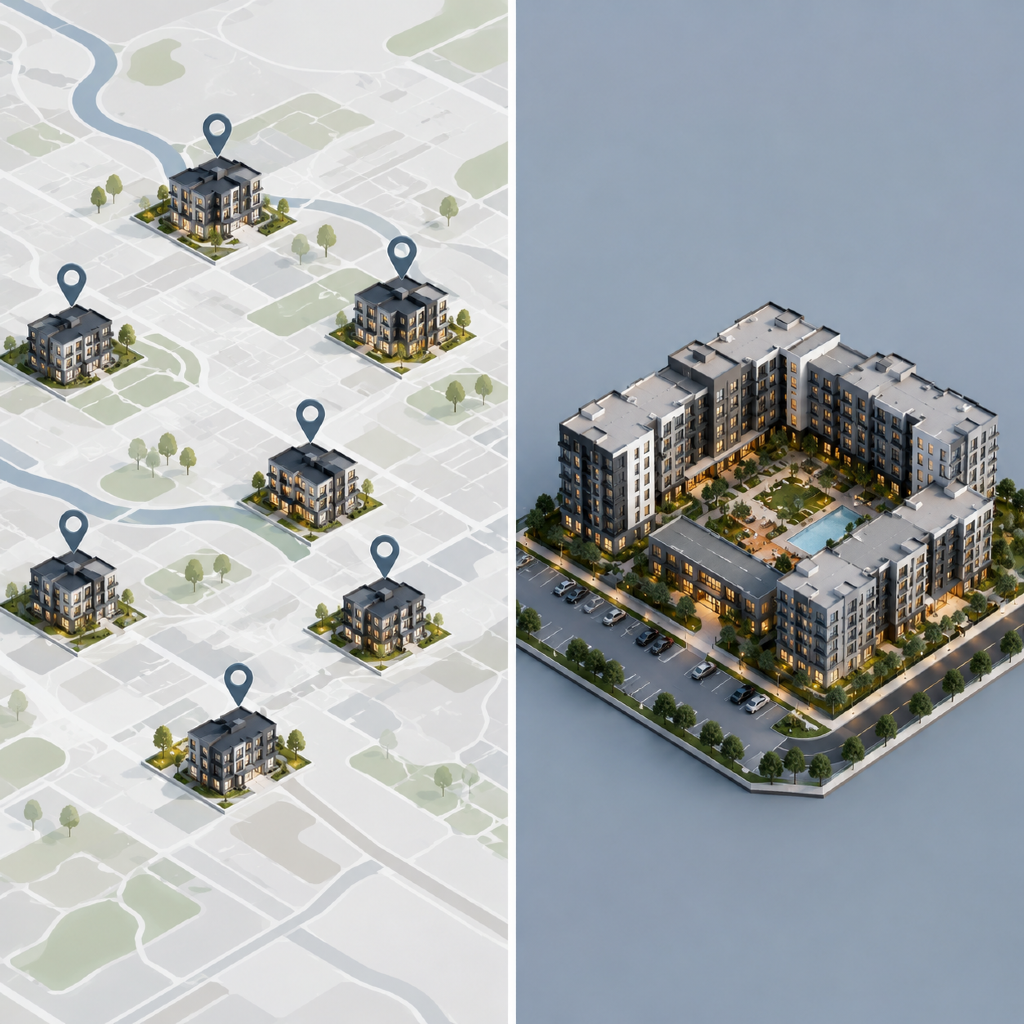
The best hotel-to-multifamily conversion candidates are often properties with strong location fundamentals but weaker hotel prospects. Prioritize sites with proximity to jobs, transit, and amenities sought by renters. The underlying land value, local zoning flexibility, and chances for streamlined approvals all factor into project feasibility.
For a successful conversion, it’s helpful to look for properties with a compatible existing layout, enough space for in-unit kitchens and storage, and sufficient parking or the potential for creative mobility solutions.
Location and Building Features
Ideal properties are those with safe, accessible locations, good structural condition, and adaptable floor plans. Features like wide corridors, multiple elevator cores, and easily divided spaces can streamline conversion costs. The surrounding neighborhood should offer services and infrastructure to support new residents, such as grocery stores, schools, or parks. The building itself must comply with residential safety codes and allow for energy-efficient upgrades, which can appeal to both residents and city planners in the long run.