
Key Takeaways
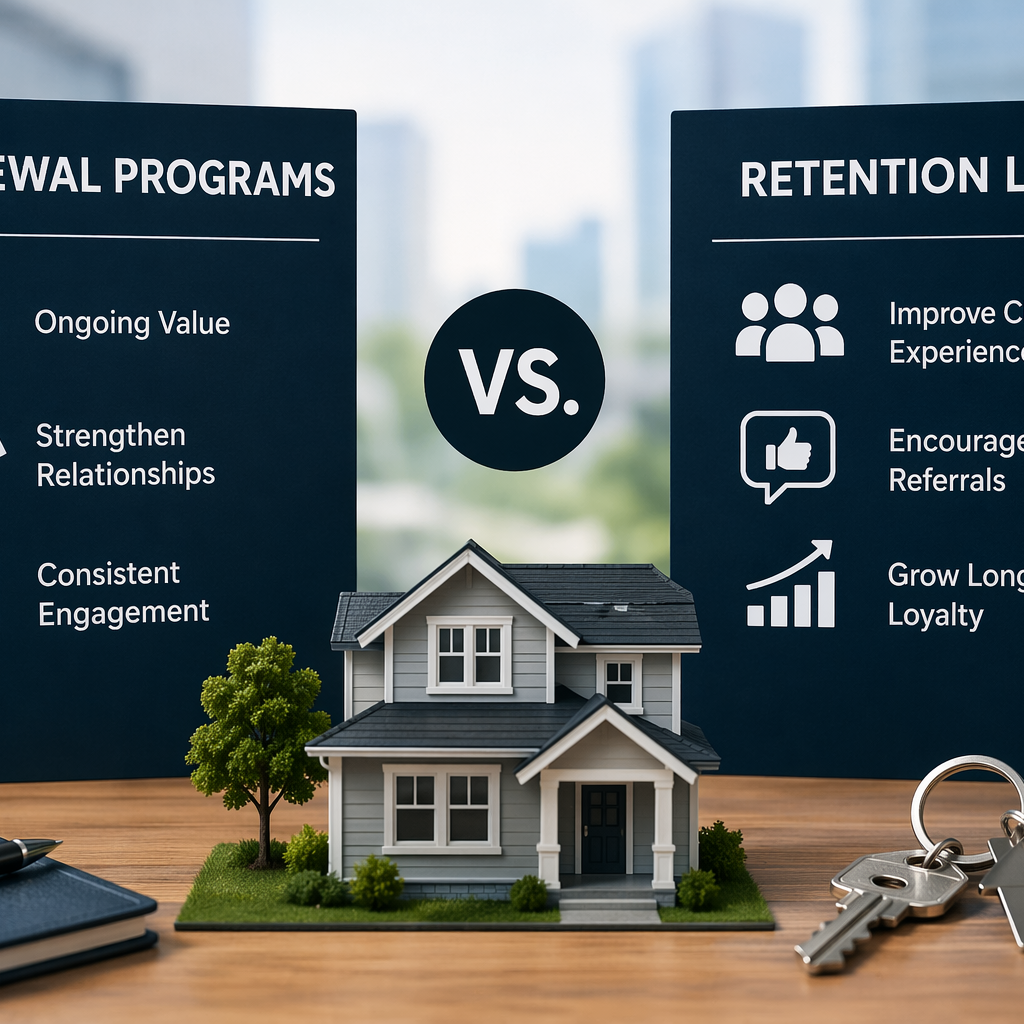
- Understanding the structure and purpose of renewal programs versus retention lifts helps tailor client loyalty strategies.
- Effective retention strategies improve long-term relationships and can lead to more organic referrals in competitive real estate markets.
If you’re looking to increase client loyalty and drive sustainable growth as a real estate professional, understanding the landscape of retention strategies is essential. Renewal programs and retention lifts are two approaches frequently used to keep clients engaged and coming back. This guide breaks down how each strategy works, where they differ, and practical factors to consider for your business.
What Are Renewal Programs?
Core elements of renewal programs
Renewal programs are structured initiatives designed to encourage past or existing clients to continue their business relationship with you. In real estate, these programs often offer ongoing communication, education, and periodic check-ins. Some may include market updates, anniversary reminders, or client appreciation events. The core of a renewal program is consistent engagement, aiming to demonstrate ongoing value and nurture loyalty over time.
Key elements include:
- Scheduled touchpoints (gifts, cards, or personalized messages)
- Regular property market insights relevant to the client’s interests
- Invitations to private events or client appreciation gatherings
- Digital communications like newsletters or exclusive webinars
How renewal programs work in real estate
Within real estate, renewal programs target homeowners, tenants, or investors after an initial transaction. For example, you might reach out to past buyers with home maintenance tips, reminders about property tax deadlines, or insights on neighborhood trends. The goal isn’t just to stay top-of-mind but to show your ongoing commitment and expertise, creating reasons for your clients to reach out when they have real estate needs in the future.
What Is a Retention Lift?
Defining retention lift in context
Retention lift refers to the measurable improvement in client retention rates resulting from specific efforts or strategies. Instead of focusing on one program, it examines the effect of various activities—personalized follow-up, loyalty incentives, frequent check-ins—on keeping clients connected to your business.
You can think of retention lift as the quantifiable change in your ability to retain clients after implementing certain tactics. This might mean tracking how many previous clients return for another property purchase or how many stay engaged with your content or services.
Ways agents measure retention lift
Measuring retention lift typically involves comparing client return rates before and after deploying a particular strategy. Real estate professionals might use metrics such as:
- Percentage of repeat clients over a set period
- Rate of contract renewals for property management clients
- Engagement with communications (open rates, replies to outreach)
Some agents adopt customer relationship management (CRM) tools to track interactions, assess which tactics produce higher retention, and pinpoint gaps in their outreach.
How Do These Strategies Improve Loyalty?
Client engagement techniques
Engagement lies at the heart of both renewal programs and strategies focused on retention lift. For renewal programs, you deliver value consistently—whether that’s insights, personal touchpoints, or support. For retention lift, your efforts are targeted, relying on personalized communication and attentive follow-up to remind clients that you are a trusted resource.
Techniques to foster loyalty include:
- Tailoring messages based on client profile and transaction history
- Providing educational materials relevant to the client’s property or portfolio
- Hosting events that create a sense of belonging within your client community
Building long-term relationships
Long-term relationships in real estate rely on mutual trust and open communication. These strategies prioritize ongoing connections—beyond the transaction. By maintaining regular contact, sharing helpful updates, and acknowledging life milestones, you signal reliability. Over time, this builds familiarity, which boosts loyalty and increases the likelihood of repeat business.
Key Differences Between the Approaches
Program structure comparison
The main difference comes down to structure versus adaptability. Renewal programs are formalized and often standardized, with set schedules and templates. Retention lift strategies, by contrast, are more flexible. They may involve experimenting with different touchpoints and evaluating which actions most influence repeat business.
If you favor a systematized approach with clear timelines, a renewal program provides predictability. If you prefer to adjust based on results, focusing on retention lift grants freedom to optimize tactics as you learn from client responses and data.
Impact on client experience
Renewal programs often deliver a consistent and smooth client experience—clients know what to expect and feel valued over time. Retention lift strategies, due to their agile nature, can feel more personalized but may seem less predictable if not managed carefully. The experience you provide should align with your brand’s values and your clients’ preferences.
What Are the Benefits and Challenges?
Advantages of each strategy
Renewal programs:
- Offer reliable, systematized engagement
- Can be scaled efficiently with the right processes
- Help establish your brand as attentive and professional
Retention lift strategies:
- Allow rapid adjustment and fine-tuning per client
- Enable testing of new engagement ideas without overhauling your entire approach
- Can reveal insights for future program improvements
Possible limitations to consider
While renewal programs are easy to manage once established, they can feel impersonal if over-automated or not tailored enough. Retention lift efforts, while flexible, can demand more time and may lack consistency if not tracked well. A balanced approach, drawing on the structure of renewal programs and the adaptability of retention lift strategies, often yields the best results for long-term client loyalty.
Which Strategy Suits Your Business Model?
Factors for evaluating fit
To decide which approach aligns best with your business, consider factors like:
- Client base size and segment diversity
- Available time and staff resources
- Preference for automation versus personalization
- Existing engagement or CRM infrastructure
Teams with a large and varied client list may favor renewal programs for efficiency. Smaller groups or solo agents might benefit from the tailored, agile nature of retention lift tactics.
Implementation considerations
Implementing either strategy begins with setting clear goals and tracking systems. Define what success looks like (repeat transactions, client satisfaction, referral growth) and select tools that support monitoring outcomes. Regularly review your results, gather feedback from clients, and remain open to refining your approach as the market and client needs shift.
Can Retention Strategies Enhance Referrals?
Link between satisfaction and advocacy
High satisfaction makes clients more likely to become advocates. When people feel valued and supported, they’re more inclined to recommend your services to friends or colleagues. Well-run renewal programs and successful retention lift initiatives both create these positive experiences, inspiring client advocacy.
Encouraging organic referrals
You can increase organic referrals by blending retention tactics with small referral prompts or public recognition of client milestones. Happy clients often spread the word about exceptional service, so by maintaining these relationships, you help your business grow through trusted word-of-mouth in your local market.