
Key Takeaways
- Leveraging mixed-use neighborhoods enables agents to showcase benefits like walkability, local business vibrancy, and sustainable amenities.
- Demonstrating expertise in these environments boosts client trust and highlights an agent’s value in complex, evolving markets.
Did you know that properties in mixed-use developments can attract more diverse buyers and enhance neighborhood appeal? In the evolving real estate landscape, agents who understand and communicate the unique advantages of these neighborhoods can set themselves apart. Here’s how you can use mixed-use neighborhood strategies to bring greater value to your clients and your business.
What Are Mixed-Use Neighborhood Plays?
Definition and Core Principles
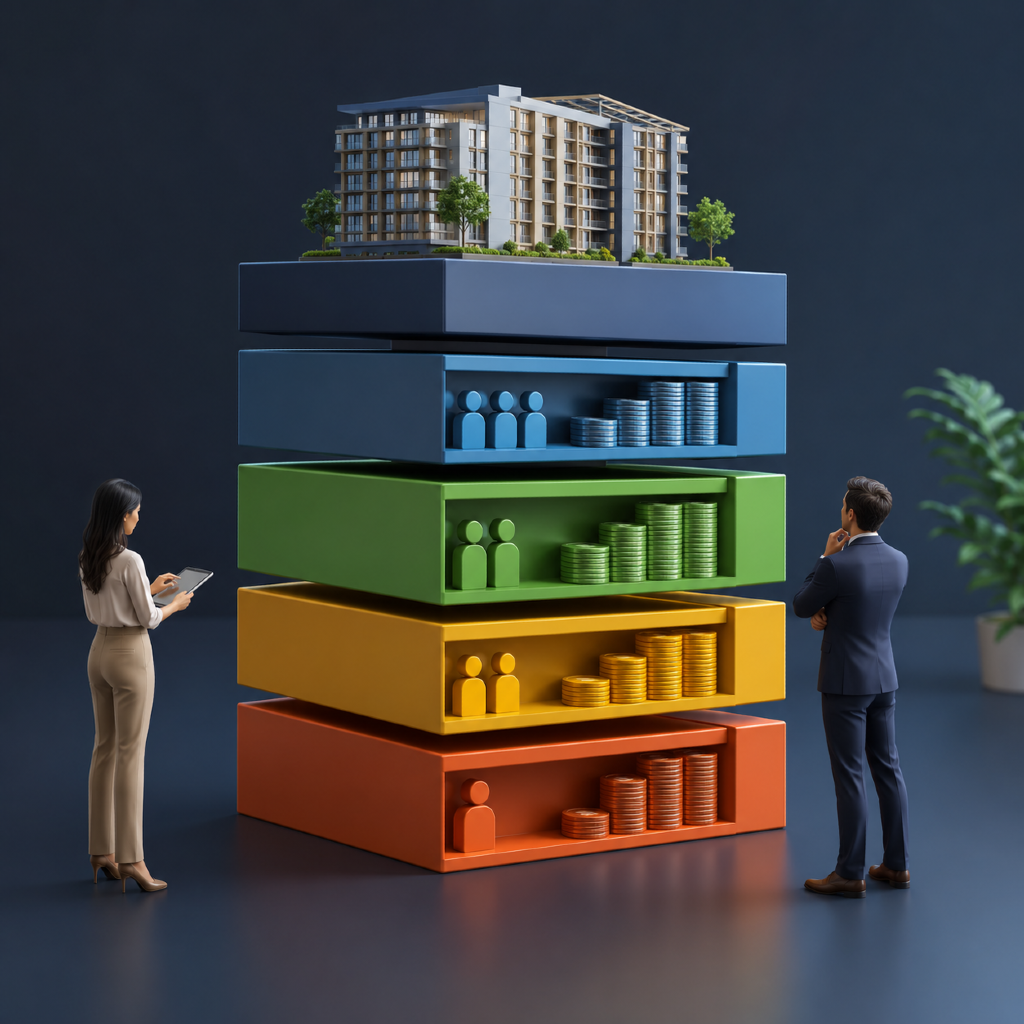
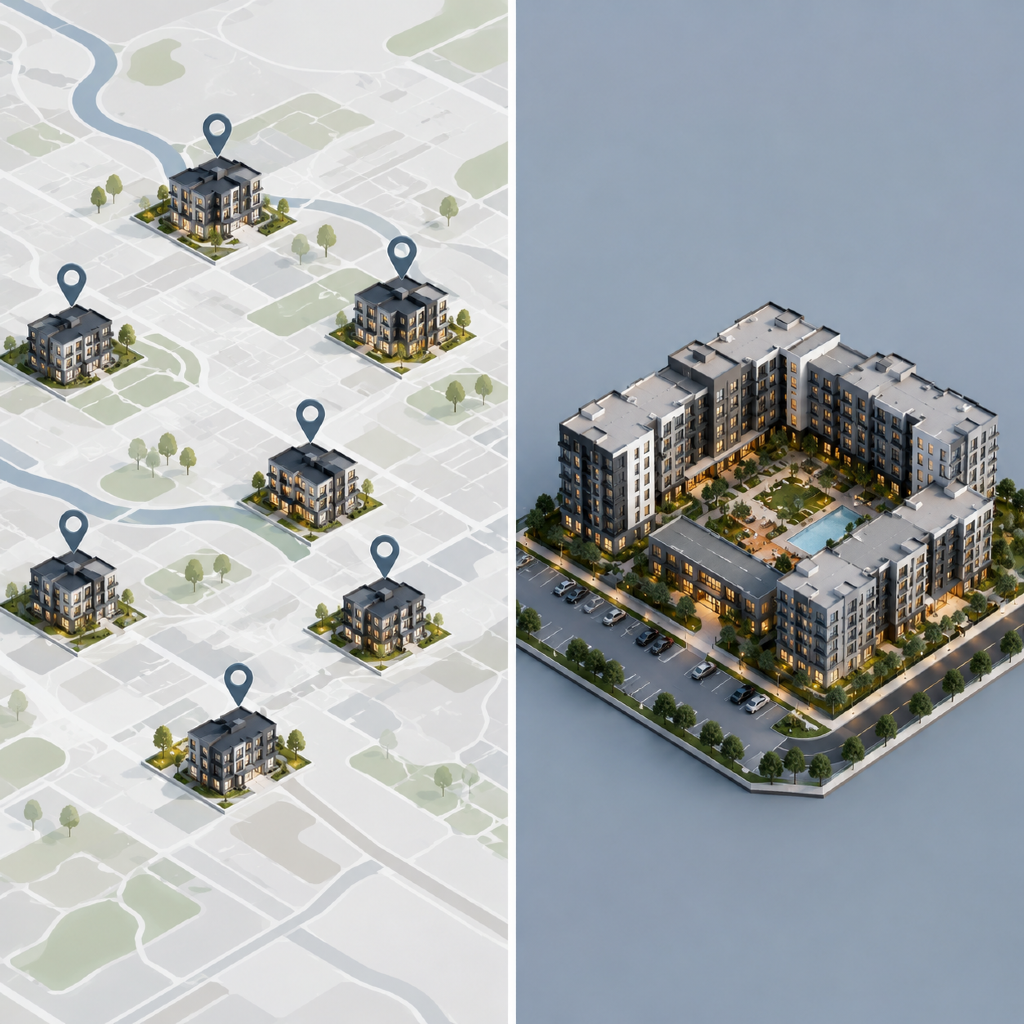
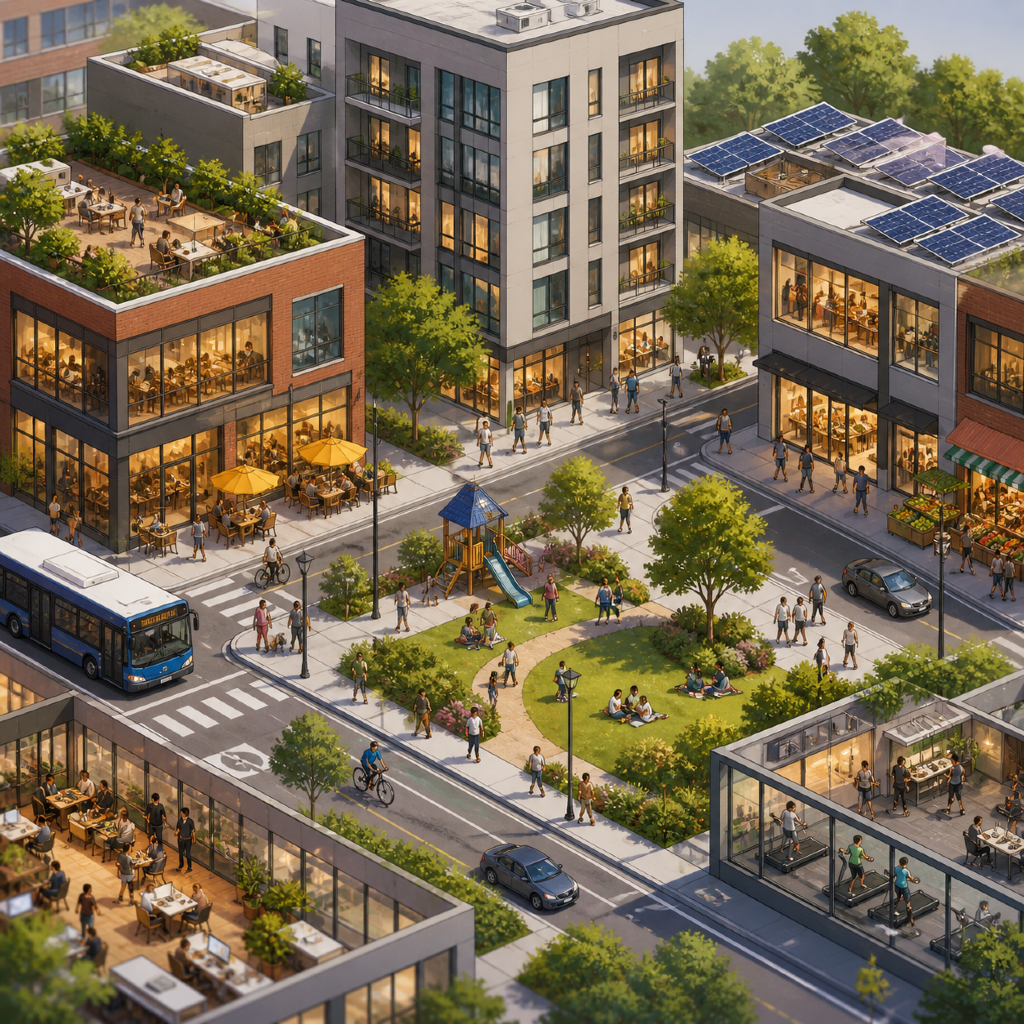
Mixed-use neighborhoods bring together residential, commercial, and sometimes civic or recreational spaces within a single development or geographic area. The core principle is synergy: people can live, work, shop, and relax—often all within walking distance. These neighborhoods prioritize walkability, efficient land use, and a vibrant street life, creating environments where different activities and demographics intersect.
Types of Developments Involved
Mixed-use projects can include urban infill developments, revitalized downtowns, live-work spaces, integrated apartment/retail buildings, and new suburban town centers. Some focus on blending apartments and retail, while others mix office, hospitality, and recreational features. By understanding these variations, you can better match properties to your clients’ preferences.
How Can Agents Leverage Mixed-Use Areas?
Positioning for Target Client Segments
Mixed-use environments appeal to a wide range of clients: empty-nesters, young professionals, small business owners, or multigenerational families. Position your expertise by aligning each client’s lifestyle, work needs, and stage of life with what these neighborhoods offer. For instance, showcase central locations for remote workers or highlight retail access for entrepreneurs.
Showcasing Community Value
You can emphasize how these districts foster neighborhood connection, provide on-site amenities, and encourage active lifestyles. By helping clients appreciate broader community value—not just the unit itself—you distinguish your guidance from more transactional approaches, building lasting client relationships.
1. Highlighting Walkability Benefits
Health and Lifestyle Advantages
Walkability is a prominent selling point. Being able to stroll to work, local shops, or fitness classes saves time and promotes wellness. When you guide clients through these walkable areas, you affirm the day-to-day benefits: more exercise, fewer car trips, and greater accessibility for all ages.
Appeal to Various Buyer Demographics
Young professionals often seek the convenience and vibrancy mixed-use communities offer, while older buyers may appreciate reduced car dependence and proximity to amenities. Highlighting walkability helps bridge generational interests and demonstrates that you understand each group’s needs.
2. Showcasing Rental and Ownership Options
Flexibility for Clients’ Needs
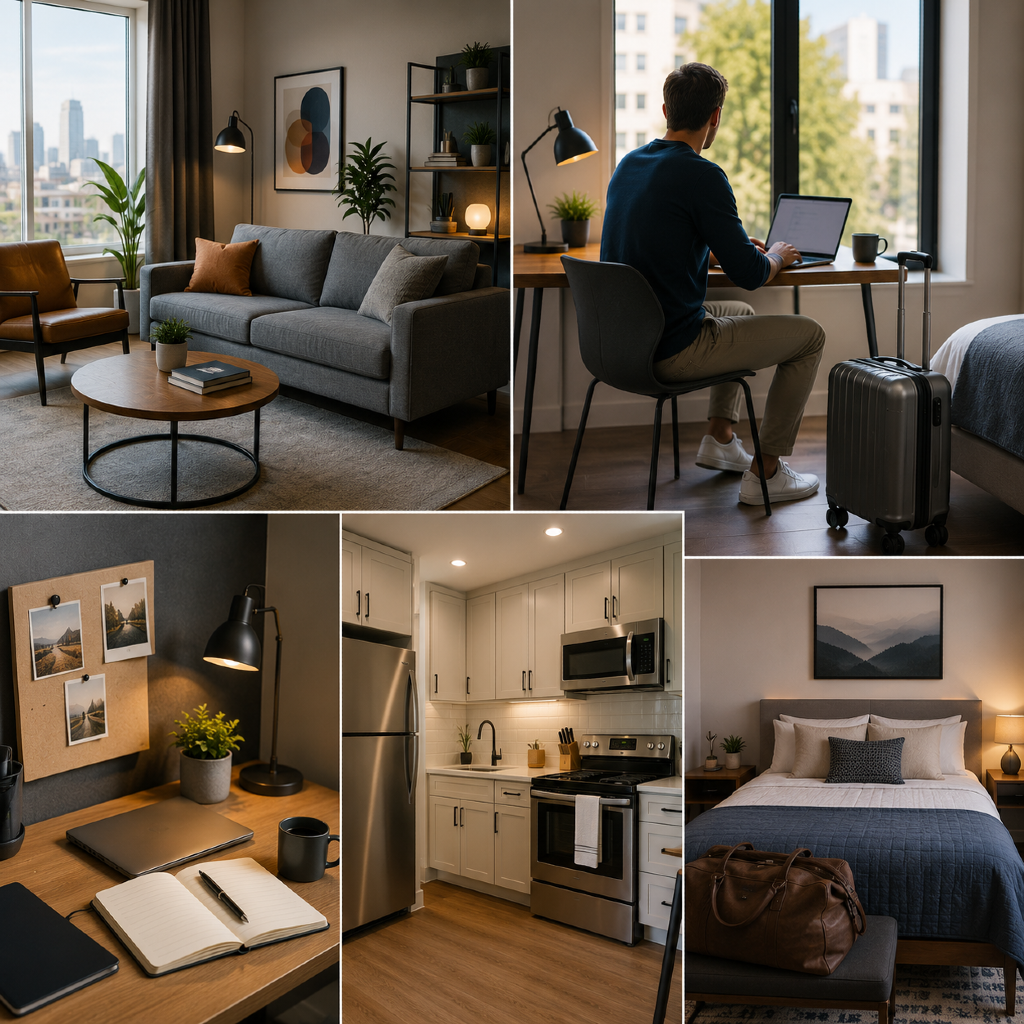
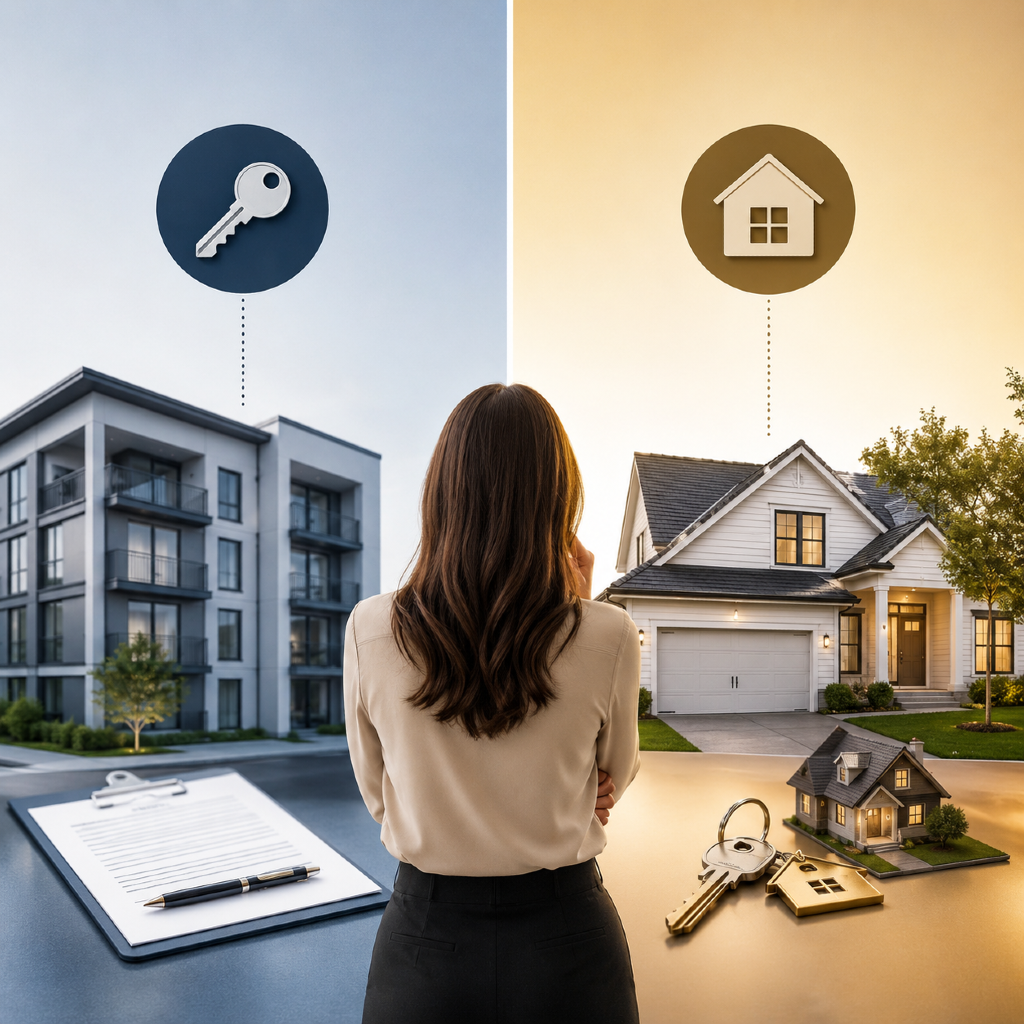
Mixed-use neighborhoods typically feature both rental and ownership opportunities, from condos to townhomes and apartments. Explaining this flexibility empowers clients at different life stages and budget levels. It’s especially relevant for those seeking starter homes, downsizing, or investment properties.
Trends in Multi-Modal Living
Increasingly, buyers and renters look for neighborhoods accommodating both long-term and short-term living. By staying current on these trends and explaining how mixed-use districts support evolving lifestyles, you position yourself as both knowledgeable and adaptable.
3. Emphasizing Local Business Integration
Promoting Economic Vibrancy
A defining trait of mixed-use areas is their proximity to shops, cafes, co-working spaces, and neighborhood services. By highlighting these amenities, you draw attention to the area’s economic energy. This local vitality appeals to buyers who value supporting small business and want connection with their local economy.
Community Partnership Opportunities
Showcasing partnerships between residents and local businesses, such as neighborhood events or shared loyalty programs, reveals ways your clients can directly engage with and benefit from their new community. This emphasizes your holistic understanding of what makes a neighborhood thrive.
4. Illustrating Convenience and Reduced Commute
Access to Daily Essentials
Proximity to grocery stores, health clinics, schools, and retail centers reduces the stress of day-to-day errands. When you guide clients through mixed-use districts, map out where essentials are located. This practical information is often a key decision factor for busy professionals and families.
Time-Saving for Residents
Commuting less means reclaiming valuable time. By focusing conversations on how mixed-use living translates to shorter travel, you help clients visualize an improved work-life balance—a powerful differentiator when they compare living options.
5. Discussing Lifestyle Amenities Offered
Shared Green Spaces and Recreation
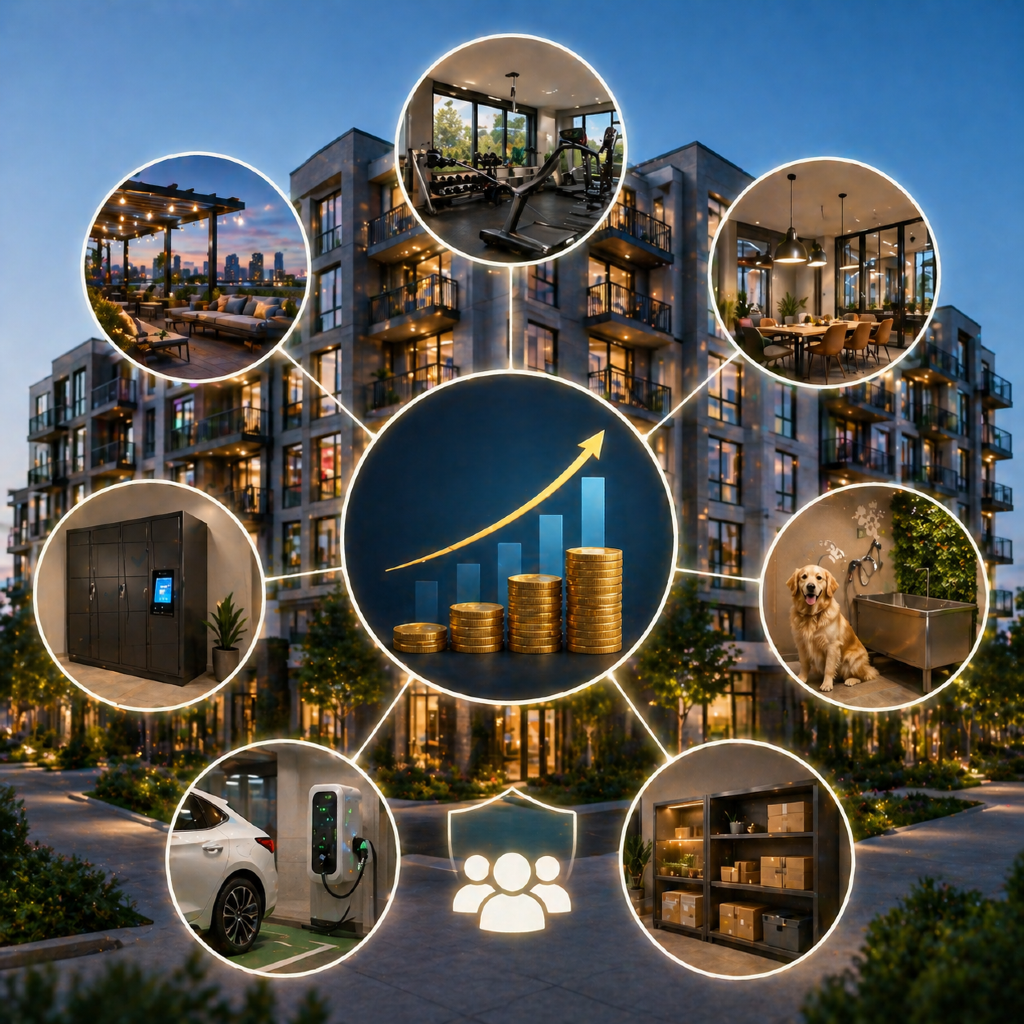
Many mixed-use developments prioritize parks, trails, rooftop gardens, and recreation facilities. These shared spaces encourage socializing, relaxation, and an active lifestyle. Explaining these features, you show attentiveness to clients seeking both health and community.
Cultural and Social Opportunities
Access to art galleries, music events, farmers’ markets, or public plazas enriches the community experience. Illustrate how a development’s amenities align with your client’s cultural interests, and you’ll position yourself as a thoughtful, client-centered advisor.
6. Addressing Sustainability and Smart Growth
Environmental Features
Mixed-use projects often incorporate energy-efficient designs, smart waste management, and alternative transportation options. Address these sustainability features, and you’ll meet the increasing demand among buyers and renters for environmentally conscious living.
Long-Term Community Benefits
Smart growth practices support stronger property values, consistent foot traffic for area businesses, and a lower environmental footprint. By communicating these long-term benefits, you build credibility and demonstrate awareness of broader market trends and community welfare.
7. Building Trust Through Local Knowledge
Demonstrating Market Expertise
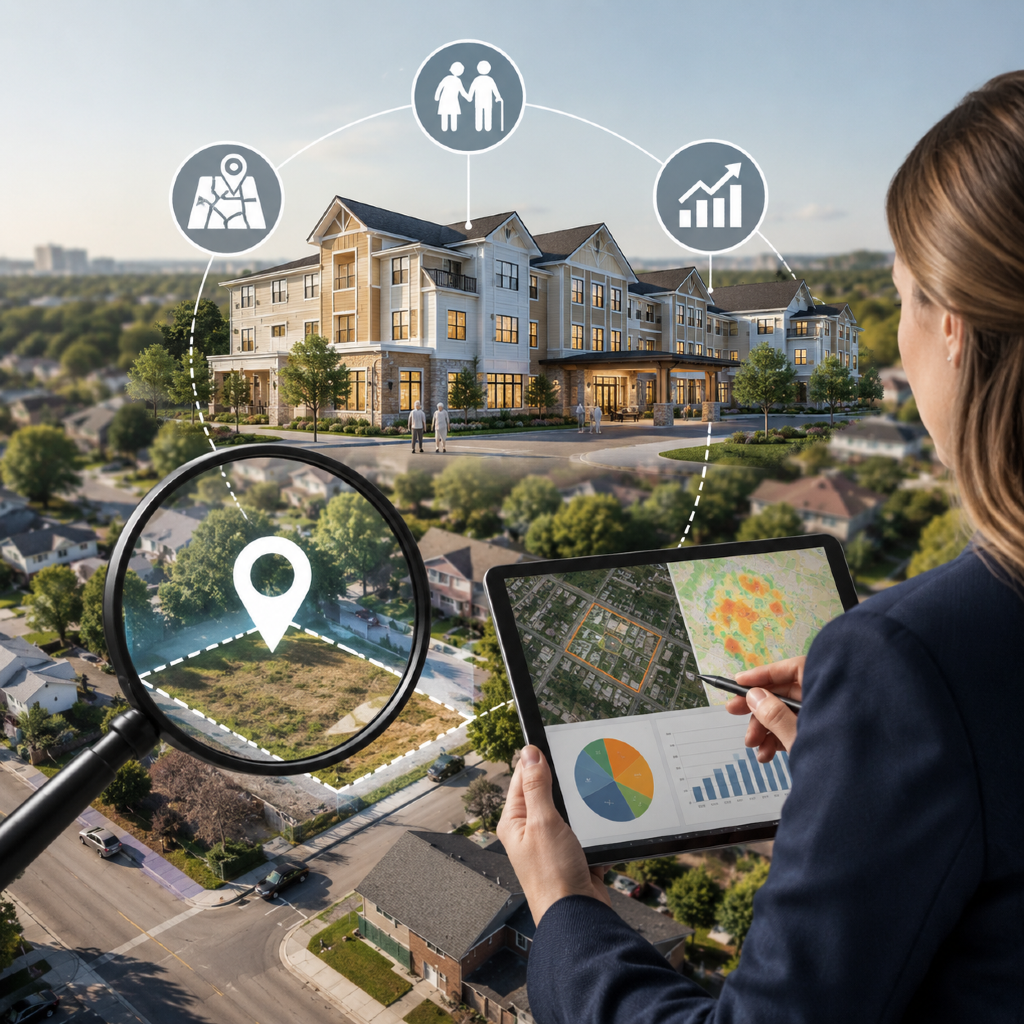
Your insights into local plans, zoning, transit improvements, and future developments make you a valuable resource. Sharing market data or historical trends gives clients confidence that they’re making informed decisions in a dynamic environment.
Educating Clients Effectively
Mixed-use projects can be complex. By breaking down features, comparing developments, and answering questions directly, you build trust and empower your clients. Educational interactions differentiate you in competitive markets and foster long-term relationships.
What Challenges Might Agents Face?
Market Complexity
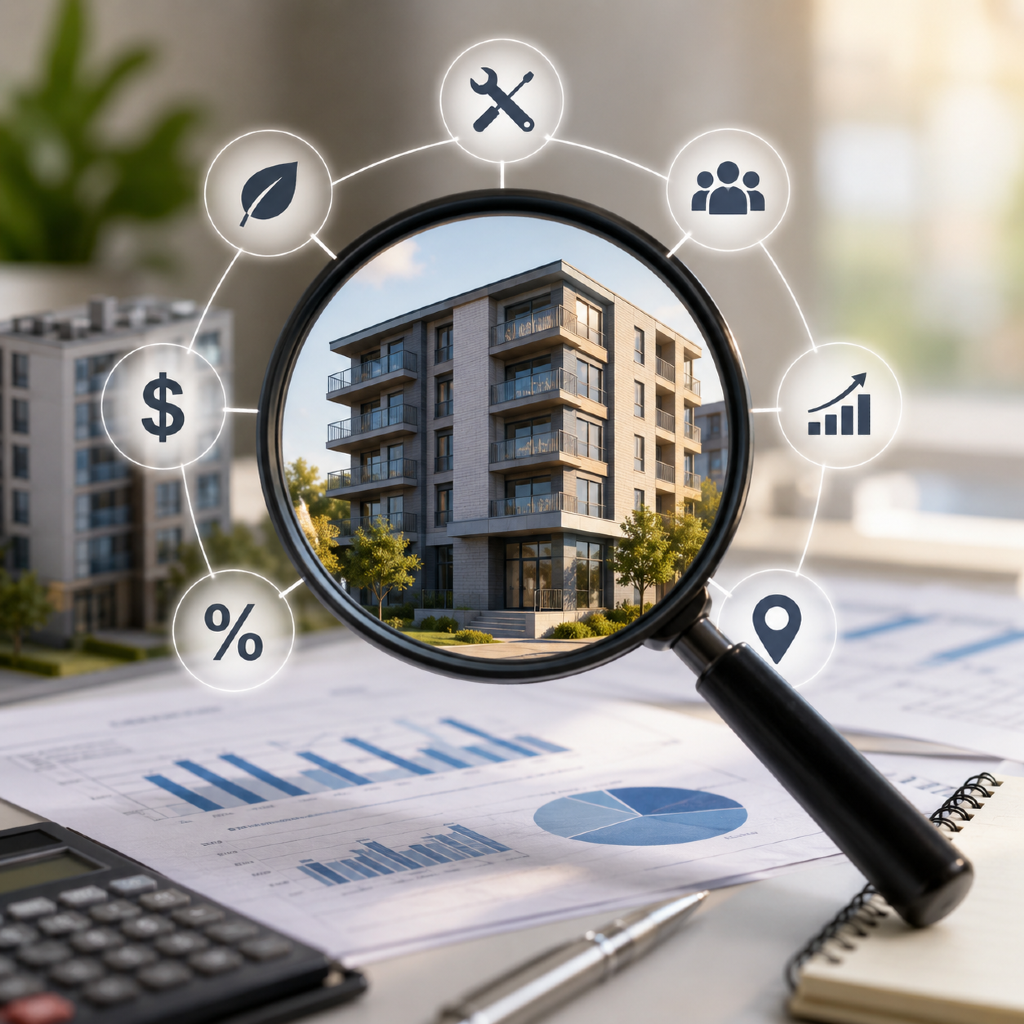
Mixed-use environments involve multiple property types, HOA structures, and retail partners. Navigating these complexities requires up-to-date market knowledge as well as collaboration with reputable partners such as lenders, attorneys, or property managers so your clients can understand every factor involved in their decision.
Client Education Needs
Many clients are new to the concept of integrated living. Some may require extra context about the benefits, pricing, or long-term value of these environments. Patience, clear explanations, and well-chosen comparisons reinforce your role as a trusted advisor—turning questions into opportunities to shine.
Mixed-use neighborhood plays offer agents a clear path to demonstrate value, foster trust, and differentiate their service. By mastering these strategies, you place yourself at the forefront of where community and market trends are heading.