

Key Takeaways
- DSCR loans offer investors flexible financing by focusing on property cash flow, but come with distinct risks and higher borrowing costs.
- Understanding eligibility and market trends helps you decide if DSCR loans align with your investment strategy.
If you’re considering a DSCR loan for your real estate investments, it’s important to understand both the opportunities and risks. As property financing trends evolve, DSCR loans have gained traction among investors seeking alternative options. Here’s what you need to know before deciding if this type of loan is the right fit for your investment strategy.
What Are DSCR Loans?
Definition and purpose
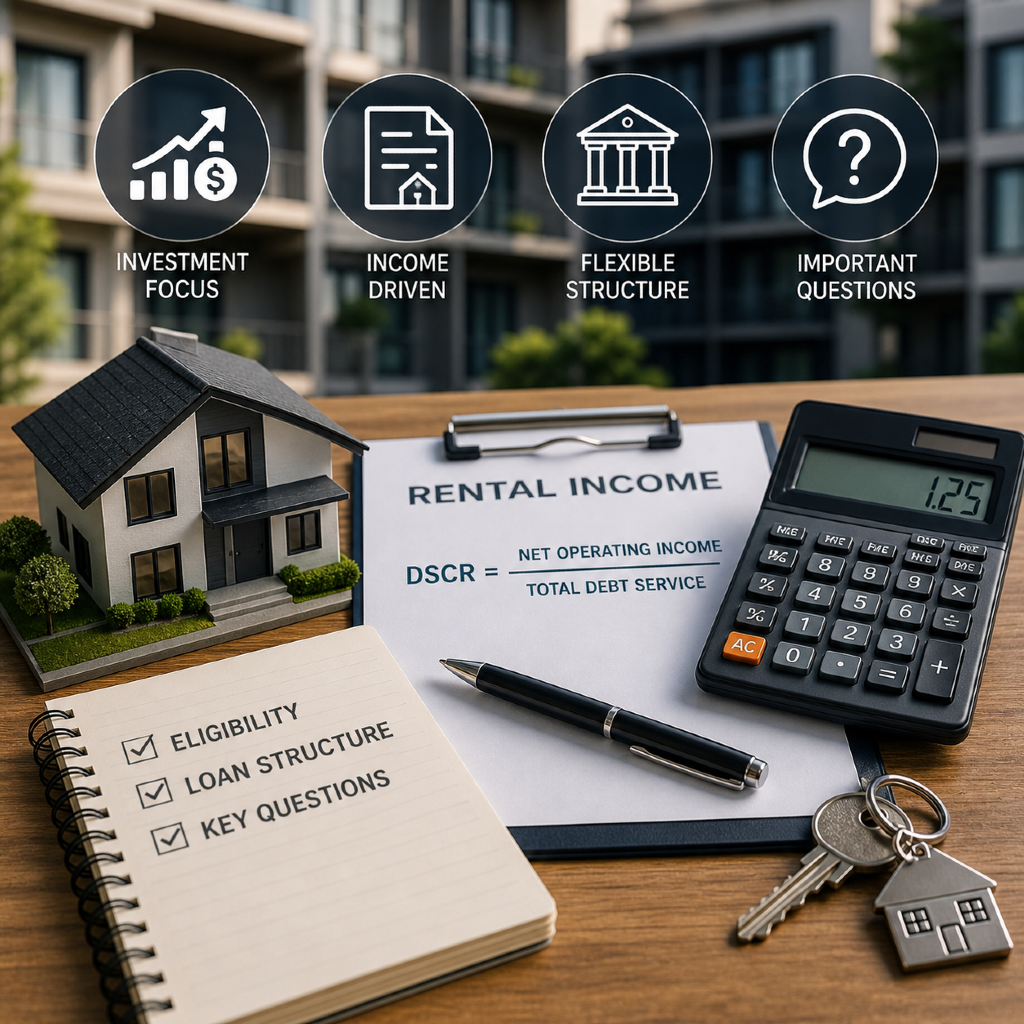
A Debt Service Coverage Ratio (DSCR) loan is a type of real estate financing designed for investment properties, where the lender evaluates your eligibility based on the property’s cash flow—not personal income. The DSCR itself is a financial metric that compares a property’s annual net operating income (NOI) to its annual debt obligations. The primary goal is to determine whether the rental income is sufficient to cover loan payments, making this loan structure particularly attractive for investors with complex finances or multiple properties.
How DSCR loans differ from traditional loans
Unlike traditional mortgage loans, DSCR loans focus on the income generated by the asset rather than the borrower’s employment status or personal income. For investors, this means fewer documentation requirements related to W-2s, tax returns, or overall debt-to-income ratios. The emphasis on property performance makes DSCR loans more accessible for those with diversified financial profiles, including self-employed professionals and investors managing several units.
How Do DSCR Loans Work for Investors?
Eligibility and qualification criteria
To qualify for a DSCR loan, you’ll need to demonstrate that the investment property generates enough income to cover the anticipated mortgage payments. Most lenders set a minimum DSCR threshold, commonly 1.20 or higher, signaling that the property generates at least 20% more income than the debt service payments. Lenders will ask for rental income statements, leases, or even market rent estimates. Your credit history and down payment capacity are still considered, but the property’s ability to pay its own way is the central focus.
Common property types financed
DSCR loans are commonly used to finance a range of investment properties, including single-family rentals, small apartment buildings (typically up to four units), and short-term vacation rentals. Some lenders extend DSCR loans to larger multifamily properties or mixed-use assets, but terms may vary depending on market conditions and property types. Commercial buildings and properties with unstable income streams may face stricter requirements.
What Are the Pros of DSCR Loans?
Easier approvals for investors
One of the most significant benefits is the streamlined approval process. Since underwriting centers on the property’s rent potential instead of your tax returns, DSCR loans can be an excellent fit if your personal income is complex or fluctuating. Investors who own multiple properties or operate through LLCs often find DSCR financing more accessible than conventional loans.
Flexible underwriting standards
DSCR loans also tend to offer more flexible guidelines regarding income documentation and sometimes even credit. Since the focus is on the generated rental income, you often do not need to provide exhaustive personal financial statements. This flexibility can help investors act quickly in competitive property markets where timing matters.
What Are the Main Drawbacks?
Higher interest rates and costs
The tradeoff for DSCR loan flexibility is typically a higher interest rate and more upfront fees. Lenders view these loans as riskier because they rely on investment property income, which may fluctuate with tenant turnover or broader market changes. You’ll often find that DSCR loans come with higher closing costs and may require larger down payments.
Potential limits on property types
DSCR loans aren’t always available for every property. For example, properties with extensive vacancy histories, unique commercial uses, or those located in declining markets may not qualify. Some lenders limit DSCR financing to standard residential units or short-term rentals with established track records. If your property type doesn’t fit standard criteria, you may face higher rates or even rejection.
What Risks Should Investors Consider?
Market volatility and cash flow risks
While DSCR loans look at historical or projected cash flow, shifts in the real estate market—such as drops in rental demand or rising vacancy rates—can directly impact your ability to meet payment obligations. Economic downturns, regulatory changes affecting short-term rentals, or new competition in the local market may jeopardize rental income, making it harder for your property to maintain the necessary DSCR.
Loan terms and recourse issues
Many DSCR loans are offered with balloon payments, prepayment penalties, or shorter terms than conventional mortgages. Pay particular attention to recourse versus non-recourse terms: Some loans may allow lenders to pursue your personal assets if the property’s income fails to repay the loan. Always read term sheets closely and consult appropriate professionals for guidance on contractual risk.
Are DSCR Loans the Right Choice in 2026?
Current market trends influencing DSCR loans
In 2026, DSCR loans remain popular based on investor demand for flexible financing amid changing market dynamics. As more investors enter the rental and short-term leasing space, property cash flow is a major consideration for lenders. Lenders are increasingly fine-tuning their underwriting to account for local market performance and property type volatility. It’s vital to stay updated on interest rate trends, housing supply, and regional vacancy rates that might impact DSCR eligibility or costs.
Alternatives for real estate investors
Alternatives include traditional commercial or conventional investment property loans, portfolio loans, and asset-based financing. Each comes with its own underwriting criteria, rates, and terms. Some investors choose to blend traditional and DSCR financing, depending on the property’s income profile and investment goals. Carefully evaluate your portfolio strategy, risk tolerance, and local market outlook before selecting a financing approach.
Frequently Asked Questions About DSCR Loans
Minimum DSCR requirements
Most lenders require a minimum DSCR of 1.20, meaning the property’s net operating income must be at least 20% higher than the annual debt service. Some lenders may set the threshold higher or lower depending on market risk, property type, and overall loan structure.
Documentation typically needed
To apply for a DSCR loan, you’ll usually need to provide lease agreements, rental ledgers, a property management statement (if applicable), and an appraisal or market rent analysis. Financial documentation requirements are simpler than those for conventional loans, allowing investors to move quickly on acquisitions.