
Key Takeaways
- Self-storage conversions and expansions are being shaped by demographic shifts, new uses for existing properties, and technology advancements.
- B2B real estate agents can thrive by understanding zoning challenges, cost implications, and effective diversification strategies for storage assets.
Self-storage conversions and expansions have become pivotal in the changing landscape of commercial real estate. In 2026, these trends are creating new opportunities for professionals seeking to diversify portfolios, optimize value, and adapt to evolving market needs. Here’s a clear look at what’s driving these shifts, and how you can respond strategically.
What Are Self-Storage Conversions?
Defining Conversion Projects
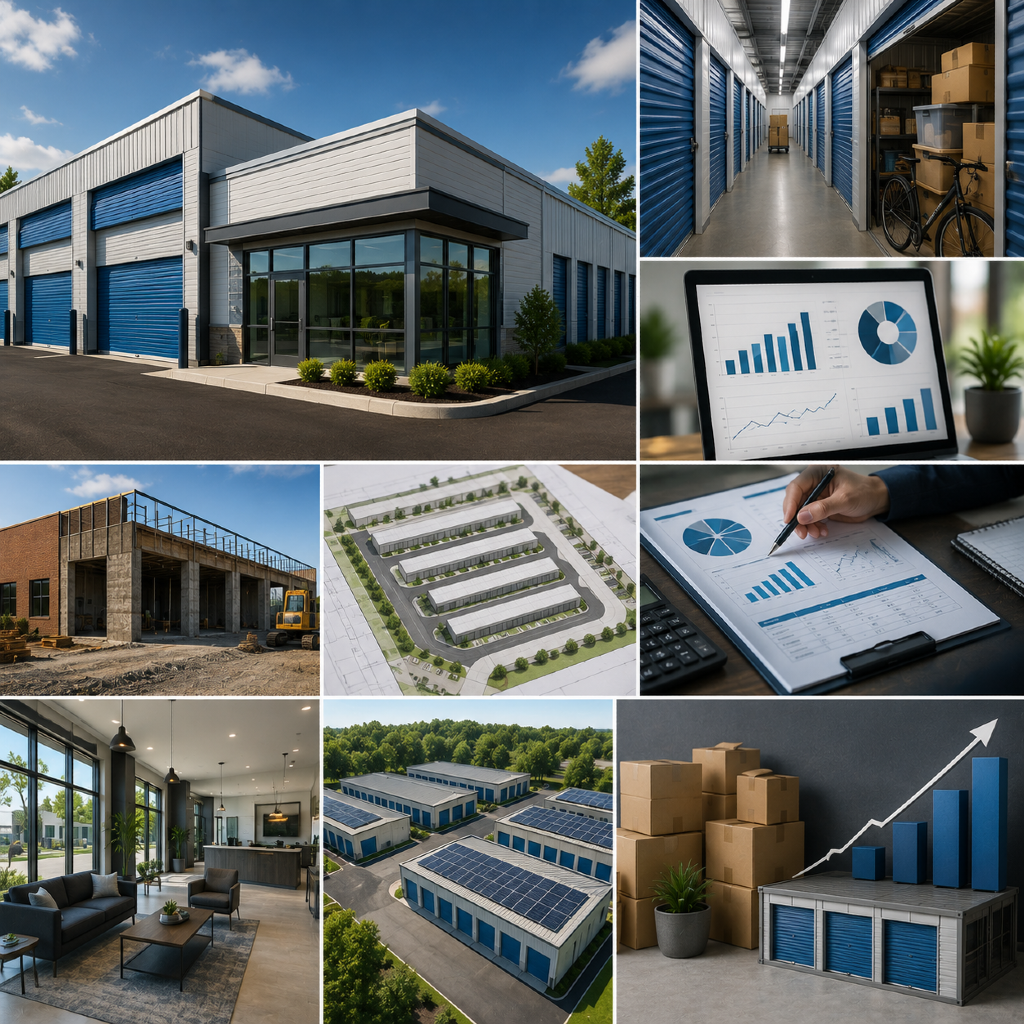
Self-storage conversions involve transforming existing non-storage structures—such as retail stores, warehouses, or office buildings—into usable storage facilities. These projects aim to repurpose underutilized or outdated spaces, helping owners tap into the growing demand for storage units without building entirely new facilities from the ground up. For real estate professionals, conversions can present sustainable pathways to unlock hidden property value and increase returns while meeting local market needs.
Examples from Recent Years
Since 2024, retail-to-storage conversions have accelerated. Outdated big-box stores and struggling strip malls have found new life as storage centers, particularly in metro and suburban markets. Notable recent projects include repurposed logistics warehouses in secondary cities, where demand for space has outpaced traditional supply. Repurposing former office parks following remote work trends has also emerged, demonstrating the sector’s agility and adaptability.
How Are Expansions Shaping the Sector?
Expansion Trends Since 2024
The pace of new self-storage development has steadily increased. Since 2024, expansion projects—where existing storage sites add more units or extend onto adjacent parcels—have outnumbered new ground-up constructions. Real estate professionals are leveraging expansions to meet local demand quickly and efficiently, capitalizing on existing infrastructure and customer bases.
Key Considerations for Expansion
Expanding a storage facility isn’t just about adding square footage—it involves careful site planning, regulatory review, and market research. Considerations include zoning compliance, land use restrictions, and studying local demographics to determine whether climate-controlled, drive-up, or specialty units will best meet demand. Effective expansion strategies also assess traffic flow, accessibility, and potential impacts on operational efficiency.
What’s Driving Demand in 2026?
Demographic and Business Influences
You’re likely witnessing how shifting demographics are fueling storage needs in 2026. With millennial and Gen Z households urbanizing and downsizing, a greater portion of the population relies on storage for seasonal items, hobbies, or business inventory. Small e-commerce businesses and contractors also count on storage properties for flexible warehousing, which has become especially important amid ongoing supply chain adjustments.
Urban vs. Suburban Markets
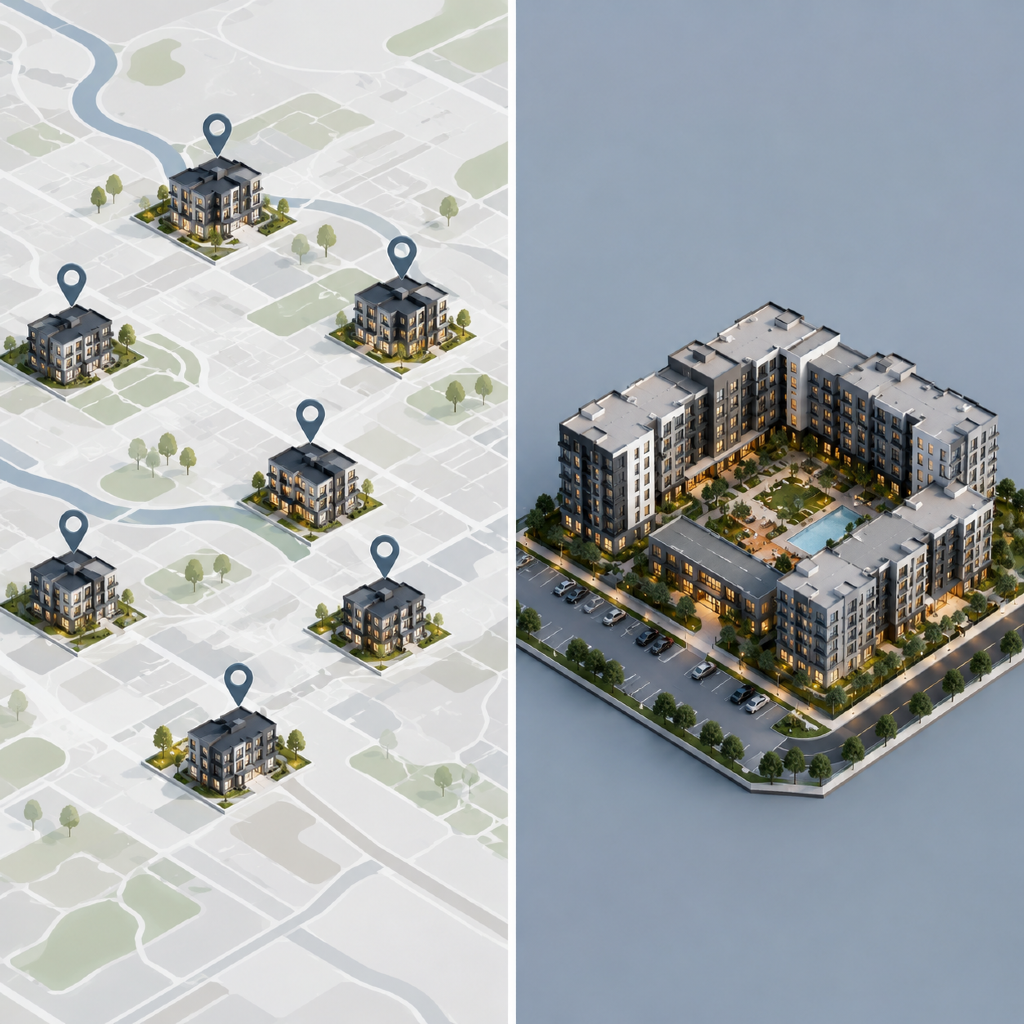
While urban storage remains highly sought after due to space constraints, suburban markets continue gaining momentum. As telecommuting persists, more families are relocating to larger suburban homes, often needing transition storage during the move. Investors and agents must monitor market saturation carefully—urban locations face more intense competition and regulatory limits, while suburban areas offer expansion-friendly parcels and less red tape.
Emerging Trends in Conversion Projects
Repurposing Retail and Industrial Sites
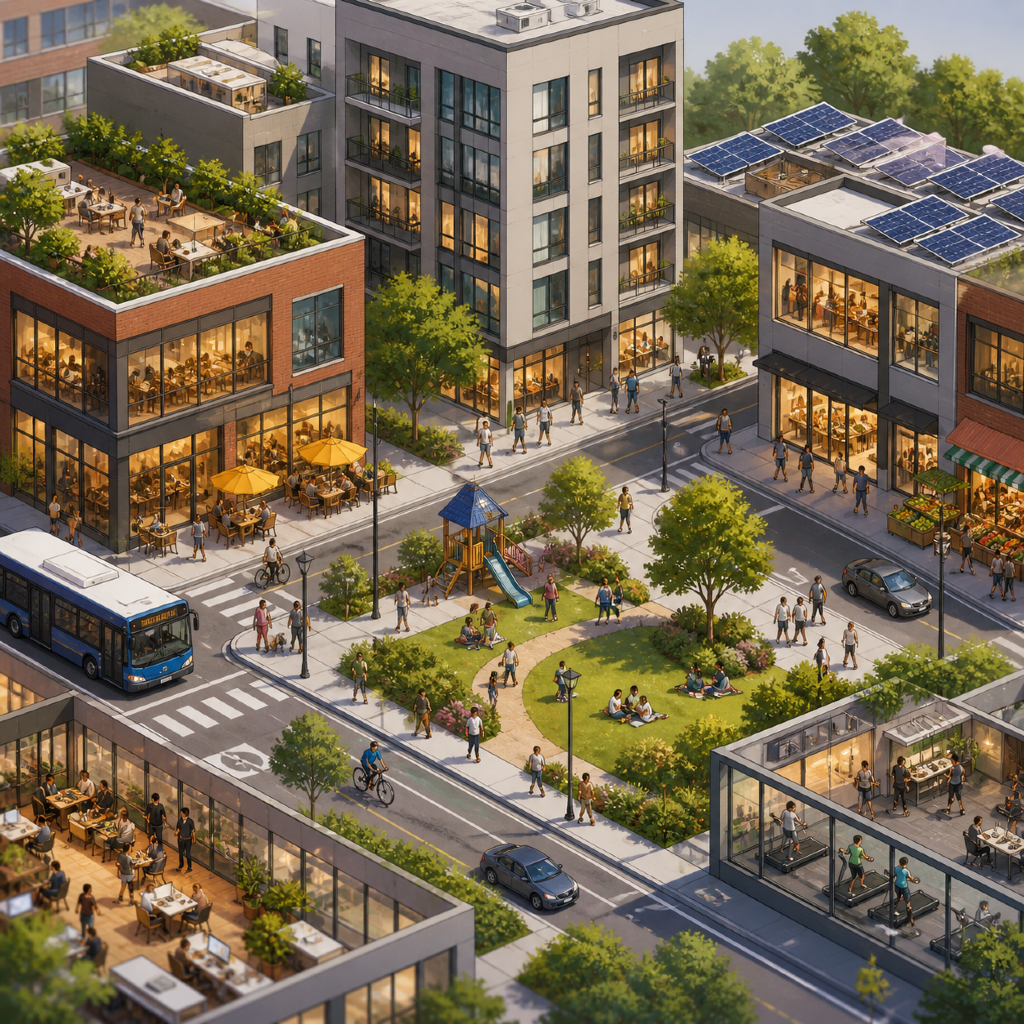
Repurposing is central to today’s conversion projects. Retail spaces vacated by national chains are being rejuvenated as mixed-use self-storage with ground-floor retail or co-working offices. Former industrial sites, especially those with ample loading docks, are ideal for storage solutions tailored to business clients. These creative uses enhance community value and extend the lifecycle of underperforming assets.
Design and Tech Innovations
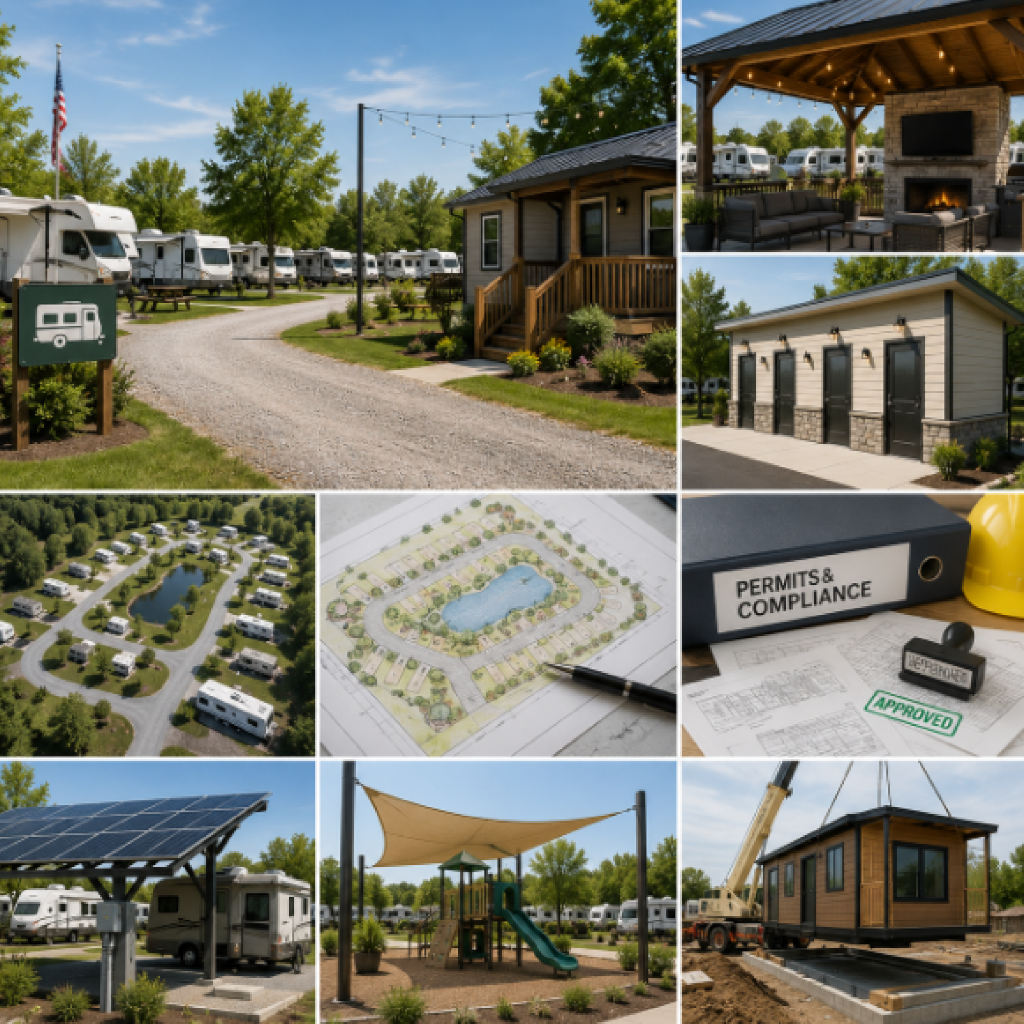
Modern conversions prioritize energy efficiency, security, and customer convenience. You’ll see adaptive design choices such as modular walls, advanced access controls, solar panels, and mobile app-enabled entry. Operators are integrating automated kiosks, contactless rentals, and predictive maintenance features to streamline operations and improve client satisfaction. Adopting these advances can bolster competitiveness and long-term facility value.
Portfolio Strategies for Investors
Diversification Techniques
For real estate professionals, diversified portfolios reduce market risk and boost resilience. Mixing urban, suburban, and rural assets can balance exposure to economic cycles. Including both expansion and conversion projects allows you to seize short-term market shifts while investing in longer-term growth opportunities. Regularly analyzing current performance against projected demand helps ensure sustained portfolio health.
Risk Management Approaches
Risk mitigation is critical. Before undertaking conversions or expansions, conduct extensive due diligence on regulatory requirements, environmental considerations, and local market trends. Maintain flexible capital structures to adapt to shifts in lending environments or construction cost volatility. Contingency planning—such as phased development and realistic timelines—can prevent overruns and maximize returns through measured, informed execution.
What Are the Main Challenges?
Zoning and Regulatory Hurdles
Navigating zoning is often the most significant obstacle. Municipalities may place restrictions on location, unit mix, or signage, requiring thorough planning and patient negotiations. Codes for fire safety, accessibility, and stormwater management can also add complexity. Staying abreast of evolving building codes and maintaining proactive dialogue with planning officials will keep your projects on track.
Cost and Construction Complexities
Rising materials and labor costs have created new challenges. Supply chain issues since 2024 have made pricing less predictable, while inflation continues to pressure project budgets. Building conversions can unearth unexpected structural or environmental issues, requiring flexibility and robust risk assessment. Detailed feasibility studies and engaging experienced contractors are essential steps in managing these complexities.