

Key Takeaways
- Dynamic rent pricing, supported by rigorous market benchmarking, empowers agents to set competitive, data-driven rental rates.
- Effective communication and transparency are essential for building trust and setting realistic expectations with clients.
In recent years, adoption of dynamic rent pricing models has surged, with industry reports projecting that many rental properties in 2025–2026 will utilize these strategies—far outpacing the traditional fixed pricing approach. As a real estate agent, understanding dynamic pricing and effective benchmarking is vital for maintaining your competitive edge and delivering value to clients in every transaction.
What Is Dynamic Rent Pricing?
Definition and Core Principles
Dynamic rent pricing is a method that allows you to adjust rental rates based on real-time factors like supply, demand, seasonality, and market activity. Rather than setting a single, static price for a rental property, you regularly evaluate and update prices supported by up-to-date data. This approach helps drive better alignment between market conditions and rental income optimization for landlords.
Key principles of dynamic rent pricing include:
- Flexibility: Adjusting prices as new trends or data emerge.
- Data-Driven Decision Making: Relying on accurate rental market data to inform pricing.
- Responsiveness: Reacting promptly to market shifts, such as increased demand during certain months or local events influencing interest.
How Dynamic Pricing Differs from Fixed Pricing
Fixed pricing, the traditional model, involves setting a rental rate at listing and maintaining it for a specific period, regardless of market changes. In contrast, dynamic pricing continuously adapts the rate, much like airline or hotel pricing. This ensures that the rent remains competitive, often leading to improved occupancy rates and optimized returns for your clients.
Why Does Market Benchmarking Matter?
Impact on Competitive Positioning
Market benchmarking is the process of comparing your rental listings to similar properties in your area. By doing so, you can determine where your offerings stand relative to the competition, which is crucial for positioning your portfolio attractively. A well-benchmarked listing draws more interest, encourages timely rentals, and supports your credibility as an attentive agent.
Setting Realistic Client Expectations
A thorough benchmarking process enables you to provide landlords with evidence-based guidance about expected rental income. By clearly outlining how a property compares to similar ones nearby, you help set achievable expectations, reduce client frustrations, and foster long-term trust.
Key Factors Influencing Rental Rates
Location and Demographics
Location is one of the strongest determinants of rental value. Renters typically assess neighborhood desirability, proximity to transportation, schools, and employment centers. Additionally, understanding the demographic profile—such as age, household size, and lifestyle preferences—provides valuable context for pricing and marketing properties effectively.
Property Features and Amenities
Modern tenants look for more than just space. Features like updated kitchens, in-unit laundry, outdoor areas, energy-efficiency upgrades, and building amenities (like gyms or secure parking) all impact perceived value. Detailed property assessments allow you to match pricing accurately according to current market demand.
Supply, Demand, and Seasonality
Rental inventory levels and local demand can shift quickly. During high-demand periods (e.g., spring moving season or post-pandemic rebounds), prices can rise sharply. Conversely, oversupply may require downward adjustments. Seasonality patterns should be factored into your pricing reviews to maximize both occupation and owner revenue.
How Do Agents Analyze Market Data?
Sources for Reliable Rental Data
To benchmark and price competitively, you need access to dependable data. Common sources include:
- Multiple Listing Services (MLS) and rental platforms
- Local housing market reports
- Public records and county assessor data
- Tenant screening and property management software insights
- Industry rental indexes and research organizations
Regularly cross-reference these sources to gain a holistic view of the local rental landscape.
Tools for Comparative Analysis
Several digital tools are designed to streamline comparative market analysis (CMA) for rentals. These solutions enable you to:
- Generate side-by-side comparisons of similar units
- Track historical rental rate changes
- Add filters for size, amenities, and location
- Produce data-driven pricing recommendations
Look for platforms that present clear visualizations and exportable reports, making it easier to share findings with clients.
Steps to Implement Dynamic Pricing
Establishing a Benchmark
Begin by identifying a set of comparable properties (comps) recently rented or currently on the market. Analyze their asking prices, days on market, features, and any incentives offered. This forms the foundational benchmark against which your subject property is measured.
Adjusting for Local Market Trends
Market conditions evolve quickly. Stay updated with:
- Recent leasing activity
- New developments or incoming supply
- Shifts in renter preferences
Leverage your data sources to frequently reassess and recalibrate your pricing model, ensuring it remains aligned with current realities.
Monitoring Performance Over Time
After setting a dynamic pricing strategy, establish regular review intervals—weekly or monthly—to assess property performance. Track occupancy rates, average days on market, and tenant inquiry volumes. Reviewing these metrics helps you fine-tune pricing further and spot emerging market shifts early.
What Are the Benefits and Limitations?
Advantages for Agents and Landlords
Dynamic pricing provides a more nuanced approach to rent setting. Advantages include:
- Maximizing rent potential in high-demand periods
- Reducing time on market by staying competitive
- Offering clients a data-backed service that enhances confidence in your expertise
Potential Risks and Considerations
However, dynamic pricing isn’t without its challenges. Overly frequent adjustments can deter prospective tenants or cause confusion. Relying only on automated tools without local insight may also introduce errors. Balance automation with personalized analysis to navigate these potential pitfalls responsibly.
How to Communicate Pricing Strategies to Clients
Presenting Market Data Clearly
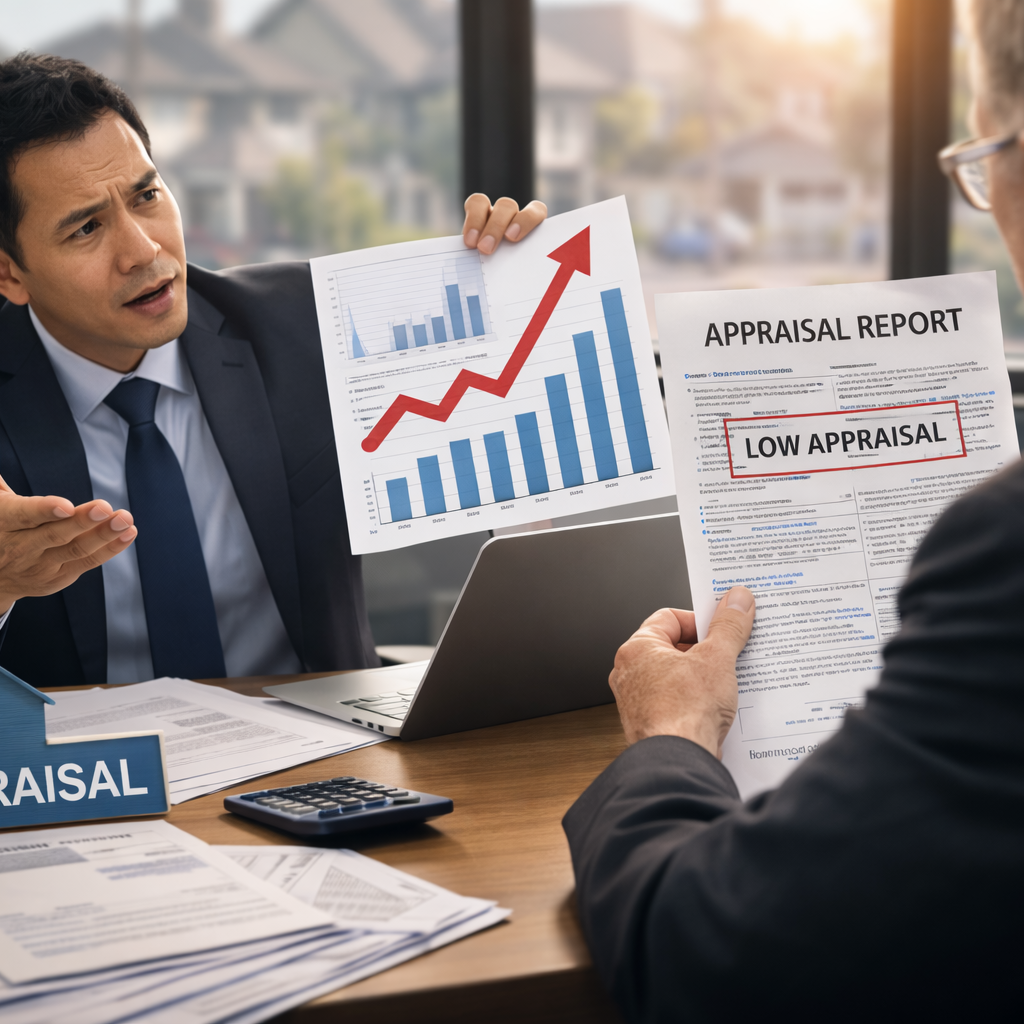
Clients appreciate transparency. Share benchmarking data, explain the rationale behind rate adjustments, and use visually engaging charts or tables to illustrate trends. Avoid technical jargon—focus instead on actionable insights that clients can easily understand.
Building Trust Through Transparency
Honesty about both limitations and opportunities sets you apart. Discuss possible market fluctuations and explain your process for ongoing review. Being upfront fosters trust and shows a commitment to your clients’ best interests, regardless of market conditions.
Common Misconceptions About Rent Pricing
Myths vs. Market Realities
Some property owners believe higher rent always equals higher profits, or that pricing above the market will secure the right tenant eventually. In reality, overpricing often leads to longer vacancies and lower total returns. Reinforce that well-researched, flexible pricing usually results in better long-term outcomes.
How to Address Client Concerns
Address uncertainty by openly responding to client questions, correcting misunderstandings with up-to-date data, and involving them in regular pricing discussions. Position dynamic pricing as a tool that supports both their goals and market responsiveness.
Dynamic rent pricing and market benchmarking are essential tools for today’s real estate agents. By combining insightful analysis with clear communication, you position yourself as a trusted partner—helping clients succeed in an ever-changing rental landscape.