

Key Takeaways
- Fair-housing compliant marketing safeguards teams from legal and financial risks while fostering community inclusion and trust.
- Regular audits and transparent, inclusive marketing practices reinforce both compliance and a strong professional reputation.
Did you know fair housing complaints related to real estate advertising increased significantly in recent years? As we move further into 2026, understanding and applying fair-housing compliant marketing strategies is not just good practice—it’s essential for real estate teams looking to maintain credibility, avoid costly pitfalls, and build lasting client relationships. This case study guides you through the process step by step.
What Is Fair-Housing Compliant Marketing?
Legal and Ethical Principles Explained
Fair-housing compliant marketing means adhering to the legal standards set by the Fair Housing Act and related state laws. At its core, this requires that you do not discriminate against prospective buyers or renters on the basis of race, color, national origin, religion, sex, familial status, or disability. Beyond the letter of the law, ethical marketing practices demand that you treat all individuals equitably and foster diversity within your advertising approach. Sentiments such as inclusivity and fairness are not just legal obligations—they’re professional standards that elevate your role as a trusted real estate advisor.
Guidelines for Real Estate Professionals
For real estate professionals, guidelines include avoiding discriminatory phrases or implications in all marketing materials, ensuring equal access to services, and refraining from steering clients toward or away from specific neighborhoods. The National Association of Realtors and many state regulators provide detailed checklists to help you audit your advertising for compliance. If you’re unsure whether something crosses the line, it’s always wise to get a second opinion or reference official resources to ensure you are operating within both the spirit and the letter of fair housing laws.
Why Does Fair Housing Compliance Matter?
Avoiding Legal and Financial Risks
Fair-housing violations can result in substantial legal and financial penalties, including fines, lawsuits, or even the suspension of your license. Real estate teams who overlook compliance can face reputational damage that lingers far longer than any court ruling. Ensuring your marketing is compliant helps you avoid unintentional missteps that could put your business at risk, while giving clients confidence in your professional standards and ethical grounding.
Supporting Inclusive Community Practices
Compliance is not just about avoiding trouble—it’s about contributing to a welcoming, inclusive environment for everyone in your market. By proactively supporting fair access to housing through your marketing, you help break down barriers and build communities that are representative and vibrant. Your example can further establish your team’s commitment to fairness, which often resonates positively with clients and peers alike.
Case Study: A Team’s Compliance Journey
Initial Challenges and Missteps
Recently, a mid-sized real estate team noticed irregularities in the way its listings and ads were being received by diverse segments of their local market. Some images and descriptions—intended to spark interest—were flagged for inadvertently using exclusive language and stereotypical imagery. As a result, the team received a few warnings and had to halt certain campaigns to investigate further, realizing that even small lapses could have significant consequences.
Implementing New Marketing Processes
Responding swiftly, the team brought in compliance training for all members and reviewed every ad, social post, and flyer for language or visuals that might suggest a preference for, or against, any specific group. They established a checklist for checking all outgoing materials, scheduled quarterly audits, and integrated legal review software to automate alerts for high-risk phrases. Over time, these practices not only helped avoid further compliance issues, but also improved the overall quality and inclusiveness of their marketing output.
Which Marketing Materials Raise Compliance Questions?
Advertising Channels and Content Types
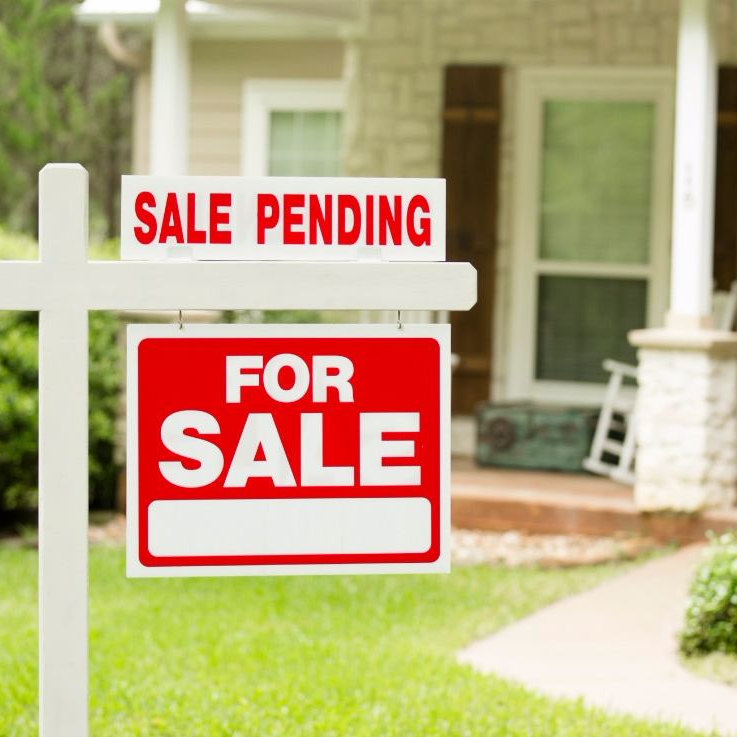
Virtually every form of real estate advertising falls under fair housing scrutiny. This includes listings on your website, digital ads, printed flyers, social media, email newsletters, and even signage at open houses. Any visual or written element that communicates with the public should be vetted for compliance. Teams need to remember that fair-housing rules apply equally to photographs, videos, and written copy.
Potential Pitfalls to Watch Out For
Common missteps often arise from well-intentioned but careless choices—such as using language that suggests families or singles might be more welcome in a particular home, or showing only one demographic group in your marketing imagery. Remember, even terms that seem harmless can imply a preference that crosses into non-compliance territory. Be cautious with neighborhood descriptions and avoid highlighting demographics or local features in a way that could dissuade some groups from considering a property.
Key Strategies for Ethical Marketing
Inclusive Language and Imagery
A cornerstone of fair-housing compliant marketing is using language and imagery that welcomes all. Replace phrases like “perfect for families” with broader, descriptive terms about the property’s amenities. Use photos that represent a variety of individuals and groups typical of your wider community. Strive for balance and ensure everyone can imagine themselves as a potential buyer or renter through your marketing channels.
Transparent Advertising Practices
Clarity and transparency are essential—not only do they fulfill legal responsibilities, but they also make your communications more effective. Clearly lay out all property features and avoid exaggeration or selective presentation. When in doubt, opt for factual, neutral descriptions and always disclose information equally to every prospective client. This demonstrates both your integrity and your understanding of regulatory requirements.
How to Audit and Monitor Your Campaigns
Regular Review Processes
Make it a standard practice to review all promotional materials before they reach the public. Assign a designated compliance officer or create a rotating schedule within your team for campaign auditing. Document your reviews and keep records of any edits made for compliance, which can serve as helpful evidence during any future inquiry.
Leveraging Technology for Compliance
Modern marketing platforms often come equipped with built-in compliance tools, such as flagging potential problem words or images. Consider using advanced software that analyzes copy and visuals for bias or discriminatory cues. Automated systems can greatly reduce human error and make it easier to scale your compliance efforts as your team grows.
Benefits Beyond Legal Protection
Enhancing Team Reputation
Teams recognized for their honest, fair, and inclusive practices often attract positive attention in the competitive real estate marketplace. Your commitment to compliance becomes an asset, offering reassurance to clients, industry partners, and community advocates that you operate with integrity.
Building Long-Term Client Trust
Trust is earned over time, and consistently fair marketing is a powerful driver. Clients remember how they are treated and will share their experiences with others. By making compliance a visible priority in your marketing, you encourage referrals, repeat business, and lasting relationships built on a foundation of respect and fairness.