

Key Takeaways
- Evaluate light-value add opportunities in senior housing with clear, step-by-step criteria.
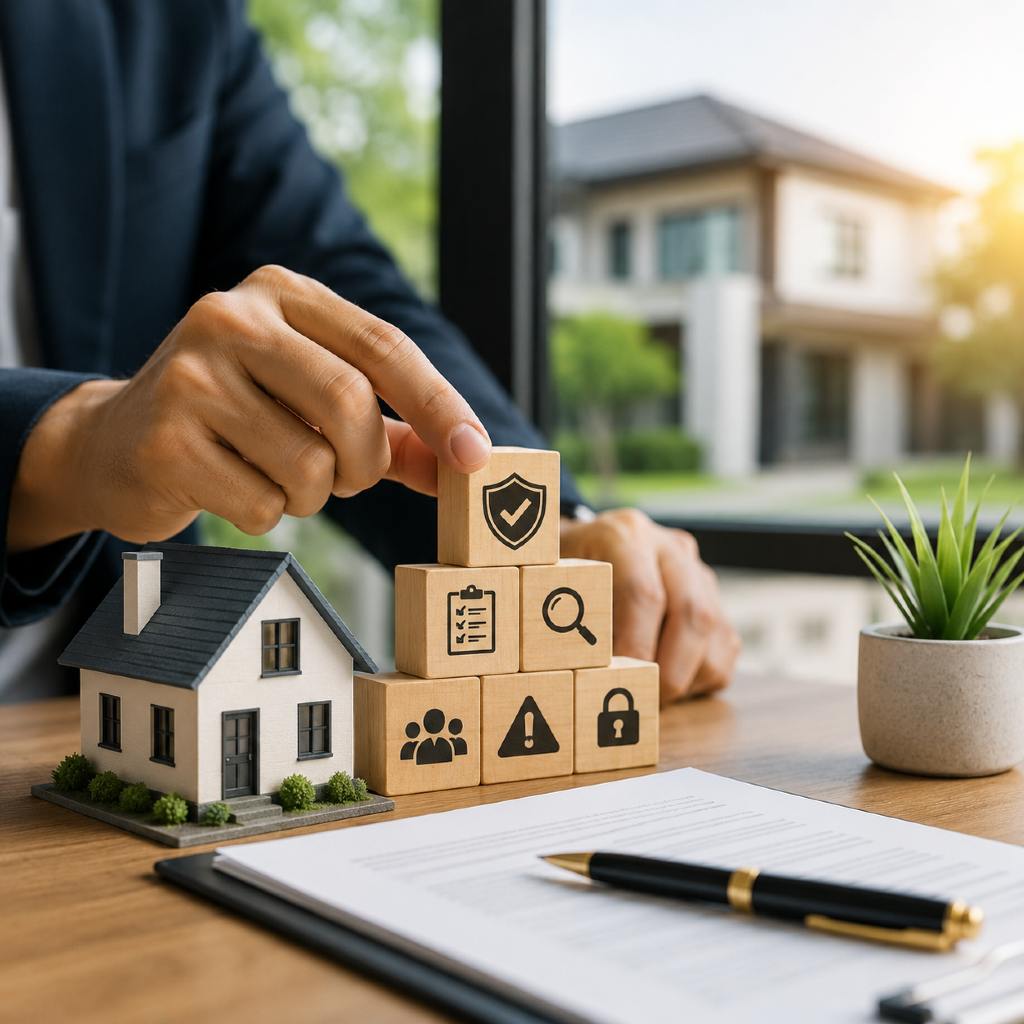
- Transparent questioning and thorough inspections help agents maximize property value for clients.
In today’s market, senior housing is changing fast. As an agent, you need practical tools to evaluate opportunities for light-value adds and property upgrades. This guide breaks down what you need to know to help your clients make better decisions about senior properties in 2026.
What Is Light-Value Add in Senior Housing?
Definition of light-value add
Light-value add refers to modest improvements or updates made to senior housing properties. These are less extensive than full renovations but still increase the appeal and function of a space. You’ll often see light-value add projects focus on updating finishes, basic amenities, or common areas without major construction.
Key features of these upgrades
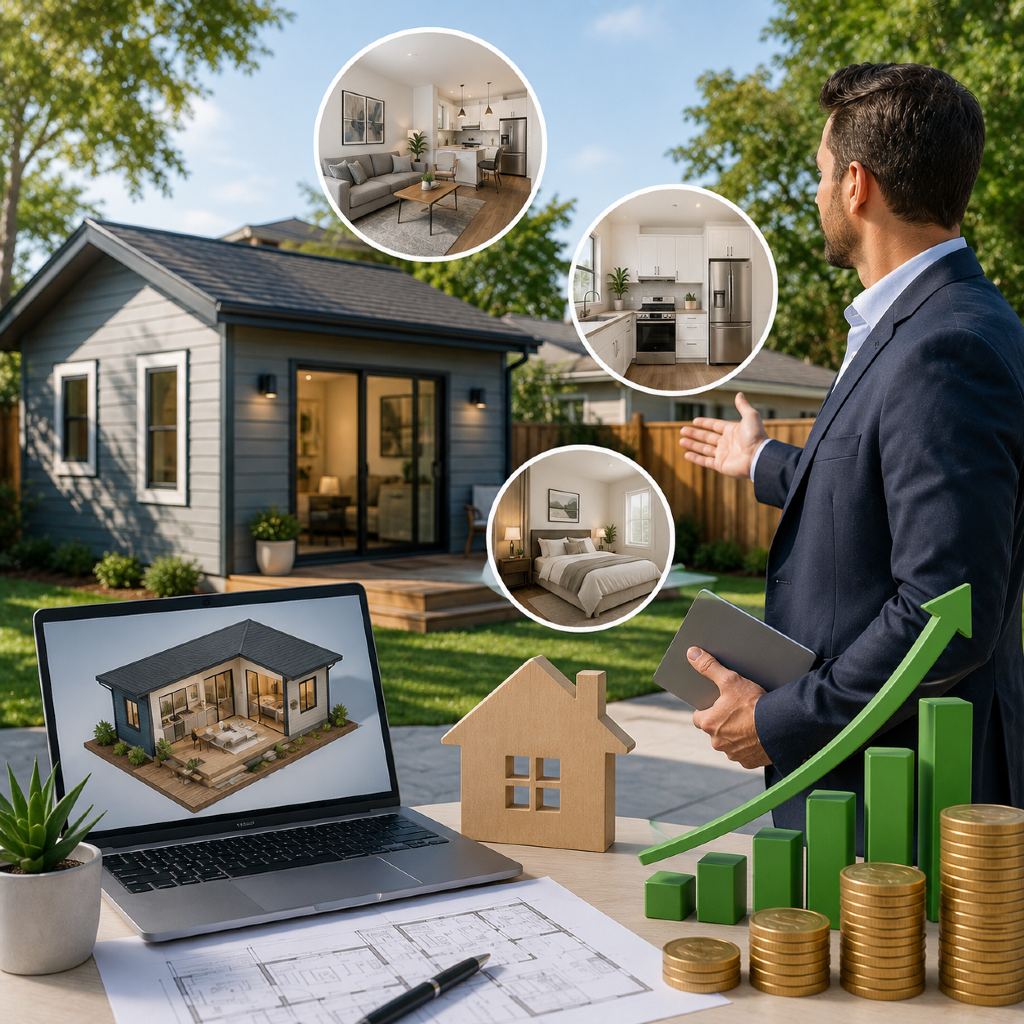
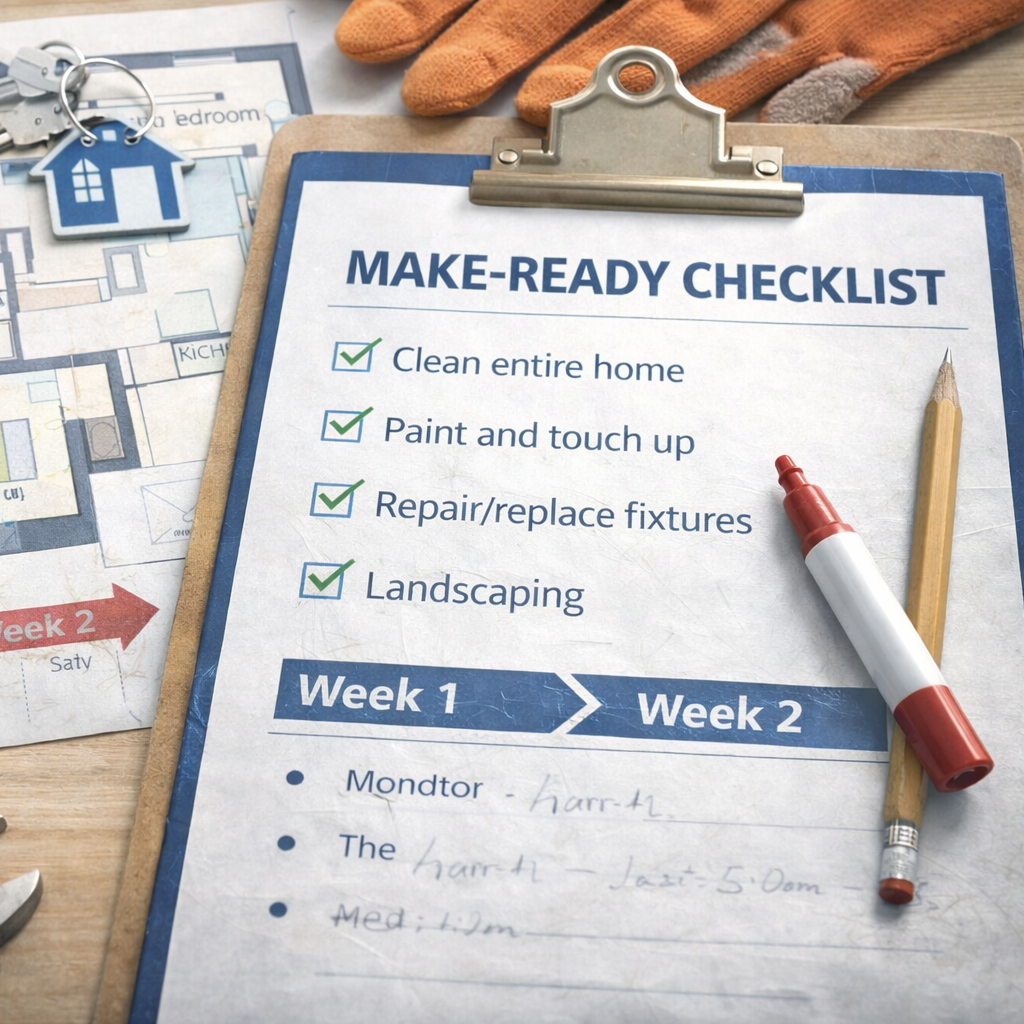
A light-value add might include fresh paint, new flooring, improved lighting, minor kitchen or bath upgrades, or enhanced landscaping. These updates improve the resident experience and may also help the property stand out in a crowded market—all without the time and cost of a major overhaul.
Why Are Light-Value Adds Gaining Attention?
Changing senior housing market needs
Seniors and their families now look for comfort, safety, and modern amenities over luxury. The demand for updated but affordable environments has risen, making light-value add a smart approach. Agents who recognize what upgrades matter most can better guide their clients through property decisions.
Benefits for property owners and agents
Light-value add projects allow property owners to boost value without stretching budgets. For agents, understanding these upgrades means offering tailored advice, helping sellers improve listings, and assisting buyers in spotting untapped opportunities. It’s a strategy that fits well with the current emphasis on efficiency and quality of life in the senior housing sector.
How Can Agents Evaluate Light-Value Add Potential?
Identifying upgrade opportunities
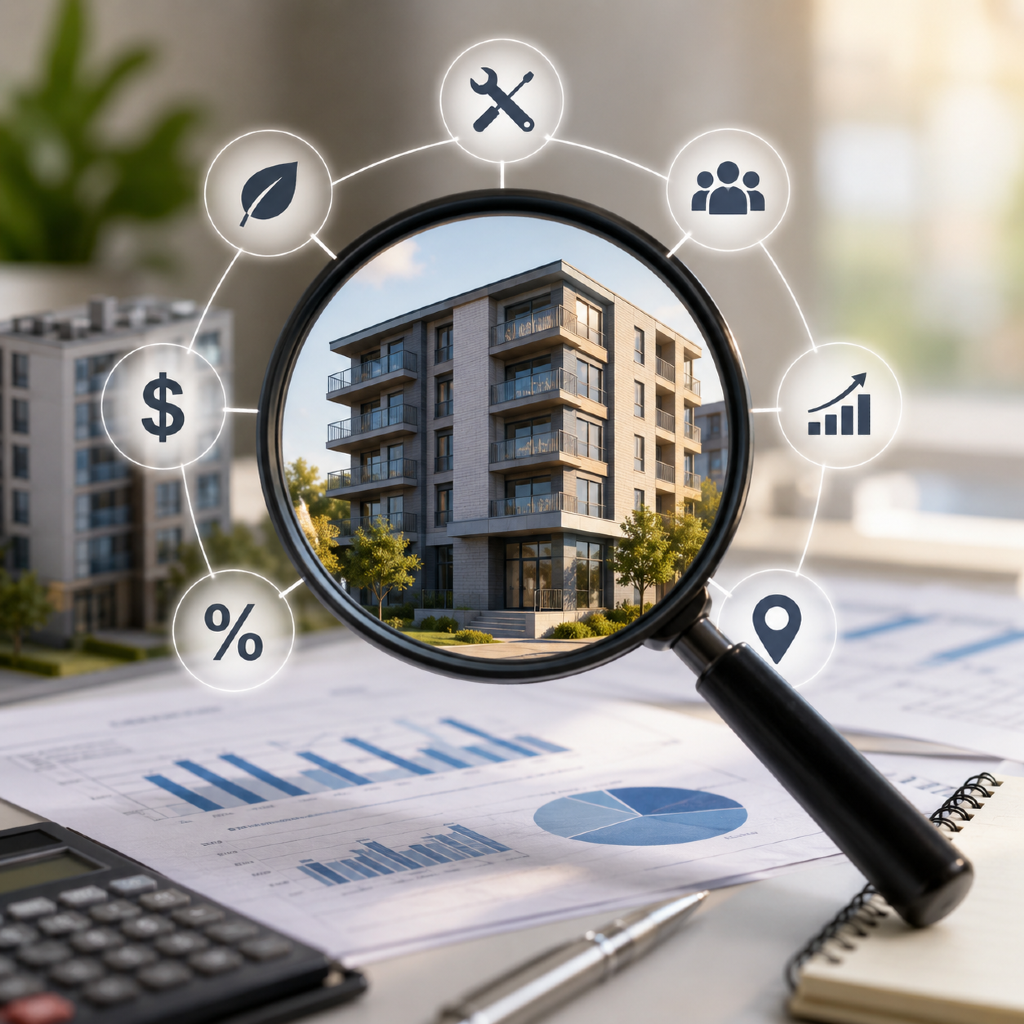
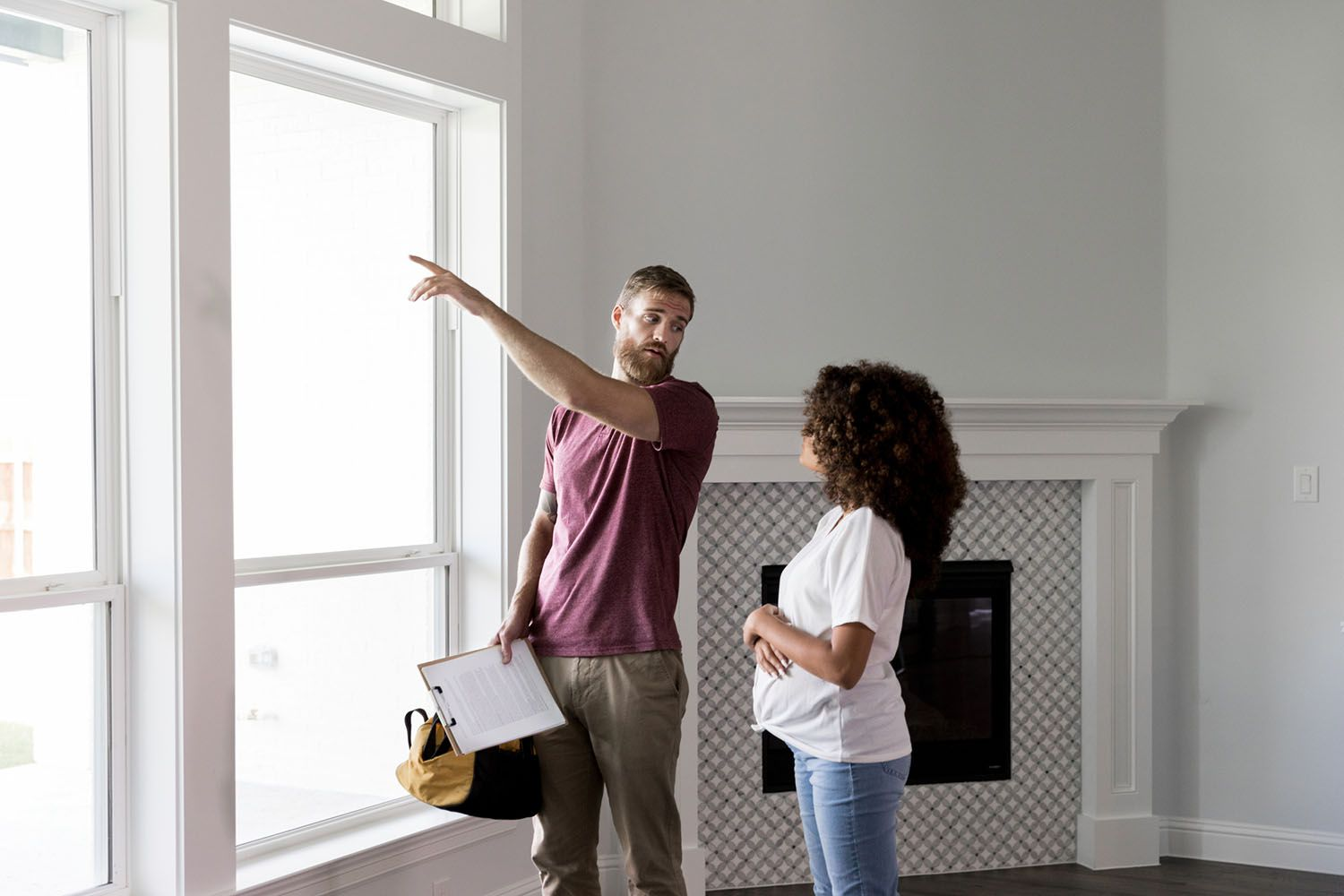
Start by walking through the property with an open, analytical mindset. Look for high-traffic areas or dated features that no longer meet residents’ expectations. Think about improvements that are visible to residents, such as updated lighting in hallways or refreshed common areas.
Assessing return on investment
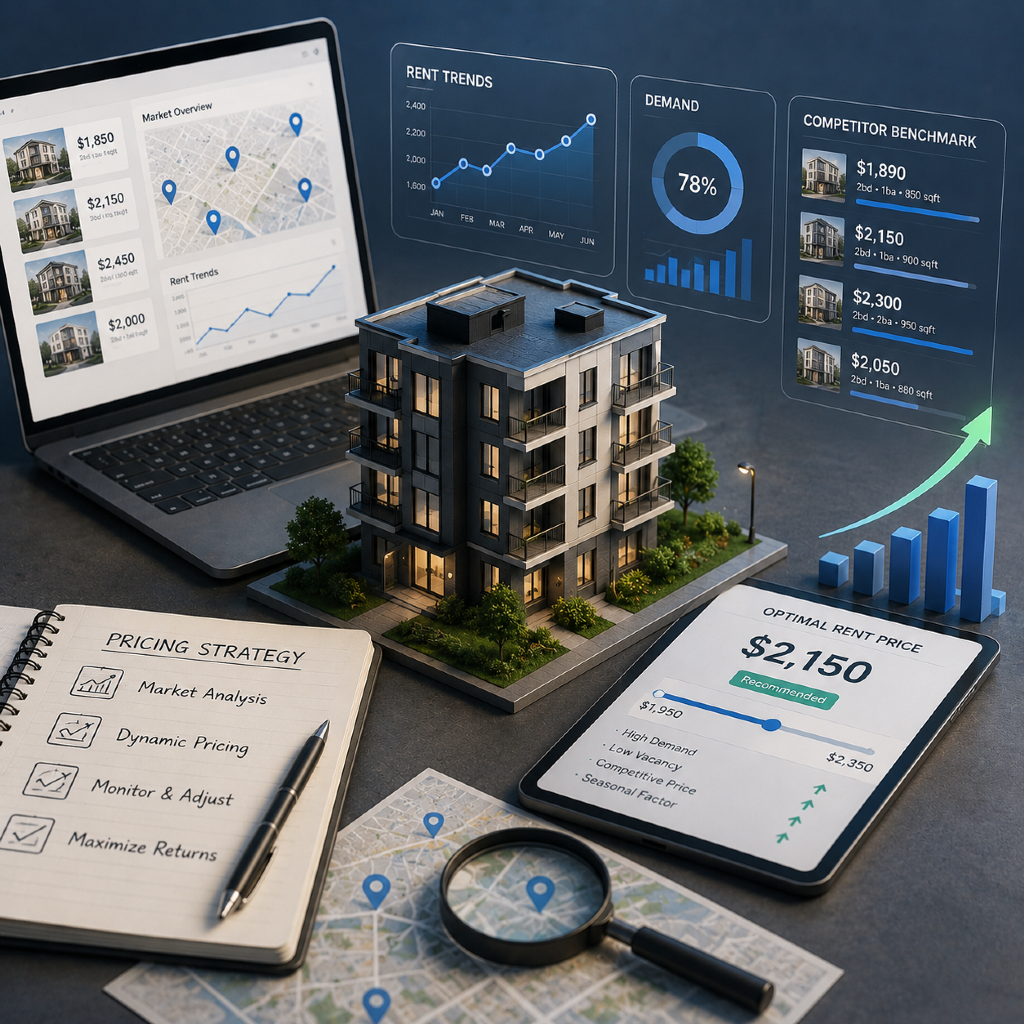
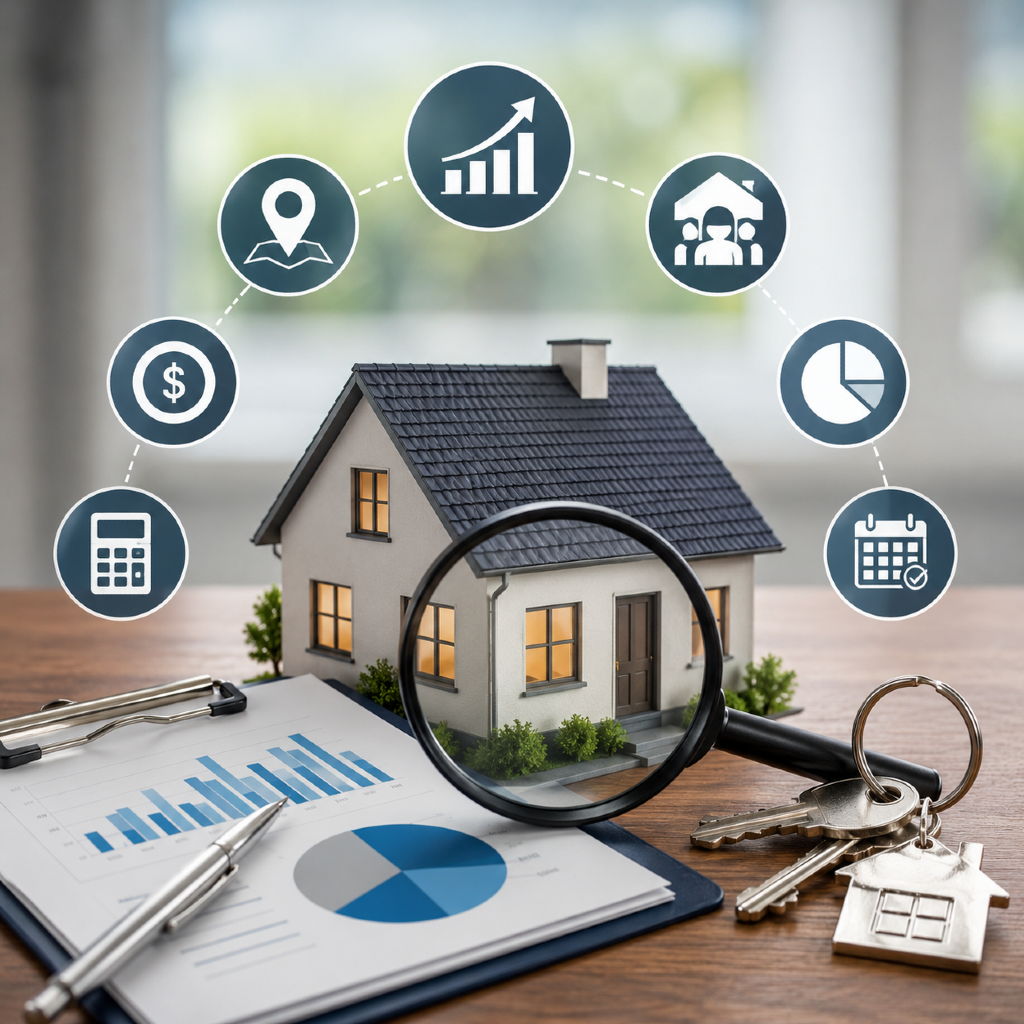
To determine the financial impact, compare the cost of proposed upgrades to potential increases in rent or sale value. For example, will new flooring allow for a higher rental rate or a quicker sale? Consult recent comparable sales to estimate whether these light-value adds align with local market trends.
Common property evaluation criteria
Pay attention to building age, occupancy rates, infrastructure (such as elevators and HVAC), and resident feedback. Properties with strong bones and good locations often deliver the greatest rewards from minor updates. Evaluate accessibility and compliance with local regulations, as these can affect both value and safety.
What Questions Should Agents Ask?
Key discussion points with sellers
Discuss how recent upgrades compare with similar properties in the area. Ask about the age and condition of key systems like roofing or air conditioning. Explore what feedback current tenants or their families have shared about community needs. The goal is to learn which improvements will provide the most benefit and appeal.
Understanding buyer preferences
Buyers often prioritize functional spaces and safety enhancements. Ask potential buyers what amenities matter most to them, such as grab bars, improved lighting, or social gathering spaces. Understanding these needs lets you recommend upgrades that speak directly to current market demand.
Steps To Compare Senior Housing Agent Qualifications
Licenses and specialized training
First, confirm that any agent working in senior housing holds the required real estate licenses. Many outstanding agents seek extra certifications—such as a Senior Real Estate Specialist designation—to show their commitment to serving older adults. Ask about completed courses and ongoing education.
Experience with senior properties
Review how much hands-on experience each agent or team has with senior housing. Consider the types and sizes of properties they’ve represented, and whether they’ve recently handled light-value add transactions. Experience can offer valuable insights on both market shifts and common challenges.
Reviewing client references
Ask agents to provide references from past clients who bought, sold, or upgraded senior housing. Pay attention to feedback about communication, guidance, and problem-solving skills. References help confirm the agent’s ability to deliver clear advice and protect client interests.
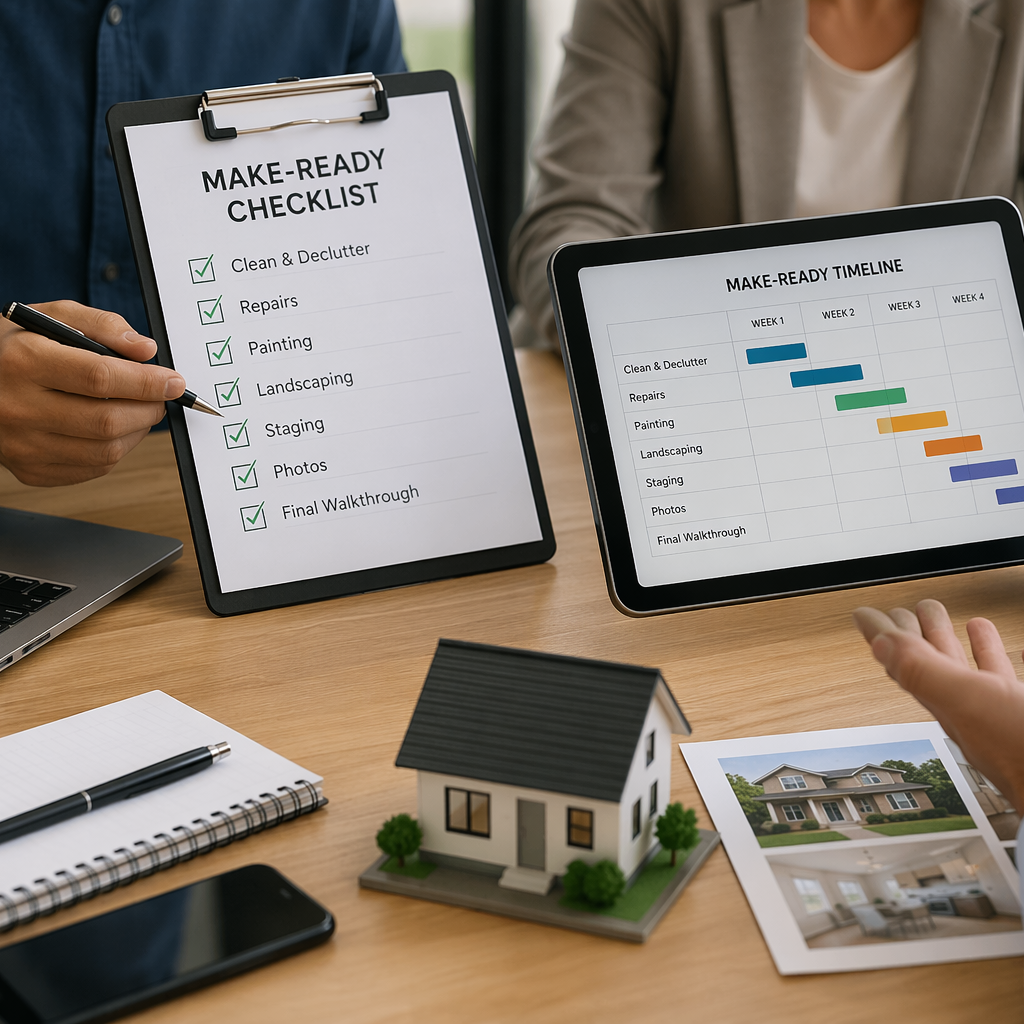
Checklist: Evaluating Light-Value Add Opportunities
Physical property inspection points
- Inspect common areas, entryways, and hallways for worn finishes or outdated fixtures
- Check appliance age and condition, especially in common kitchens or laundry spaces
- Review accessibility features, ensuring ramps, doorways, and bathrooms meet current standards
- Assess lighting, paint, and flooring for signs of wear
Compliance and accessibility factors
You must ensure all upgrades align with local building codes, fair housing standards, and the Americans with Disabilities Act (ADA). Check that any new work will not reduce access for seniors or violate safety regulations. Take notes on any permits or inspections required before starting upgrades.
How Do Add-Ons Affect Property Value?
Types of common add-ons in senior housing
Popular add-ons include security systems, emergency call buttons, activity rooms, outdoor seating, or upgraded communal kitchens. These amenities add comfort and can set the property apart from competitors.
Estimating market impact
Evaluate each add-on based on recent local sales and resident feedback. Minor, smart upgrades often deliver the best value if they address a true resident need. You’ll need relevant data on local preferences and clear cost/benefit analyses to show owners or buyers the likely impact on rent, occupancy, or sale price.
Frequently Asked Questions About Light-Value Add
Who benefits from these upgrades?
Light-value add projects benefit property owners by increasing market appeal and potential returns. Residents enjoy a more comfortable, safe, and updated environment, while agents gain opportunities to better meet client needs.
Are there risks for investors?
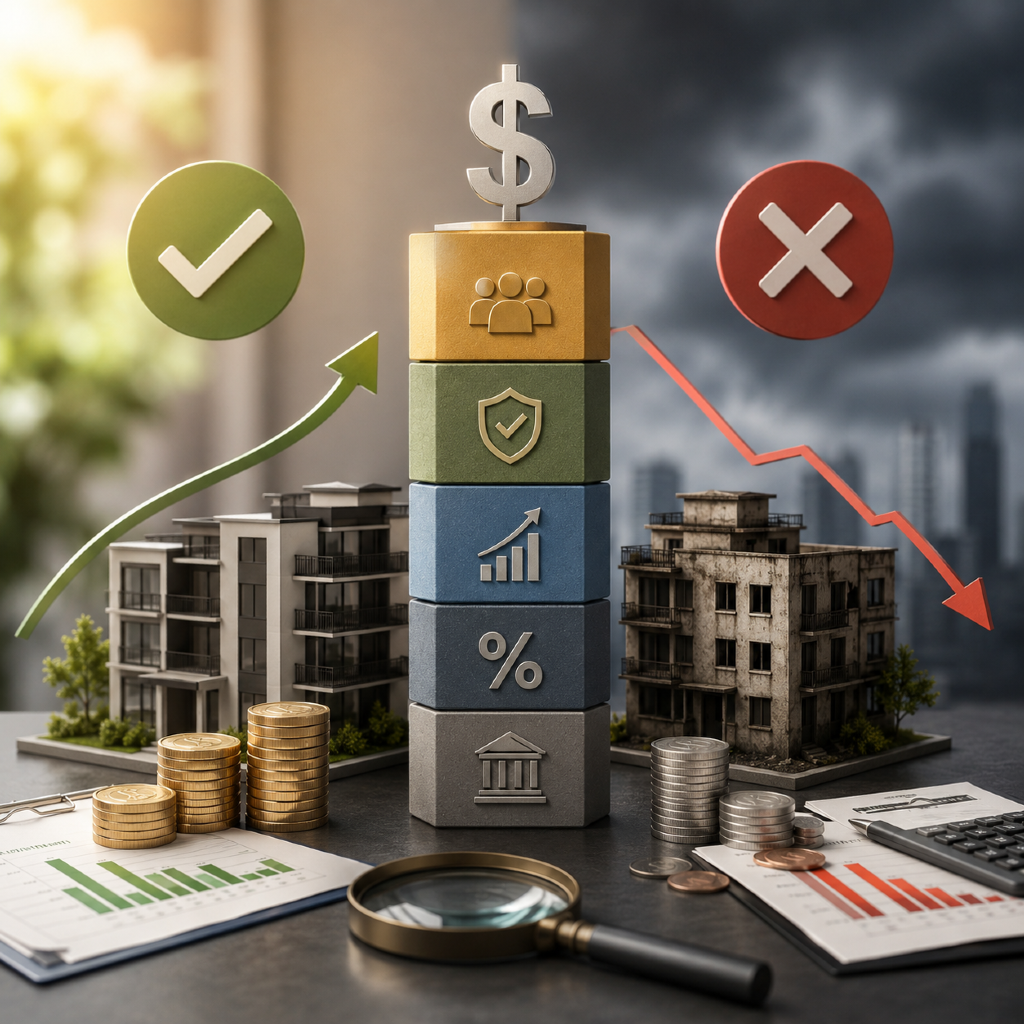
Like any real estate project, there are risks—especially if upgrades don’t match market needs or are not completed to code. Thorough evaluation, professional inspections, and transparent planning help minimize these risks and protect both owners and investors.