

Pros & Cons of Local Bank Relationship Strategies for Real Estate Teams
Key Takeaways
- Understanding auction processes and risks can position you as a stronger advisor for clients pursuing these unique opportunities.
- Thorough due diligence and readiness are essential for mitigating risks and optimizing outcomes in auction home transactions.
Auction home purchases offer unique opportunities in a dynamic market, but they demand sharp expertise from real estate professionals. As you guide buyers into these specialized transactions, knowing the auction process, key risks, readiness steps, and agent roles can help you strengthen your team’s advisory edge.
What Is an Auction Home Purchase?
Understanding auction processes
An auction home purchase is a real estate transaction in which the property is sold to the highest bidder during a scheduled auction event. Auctions work differently than standard sales—offers are public, and bidding often occurs in real time. As the agent, it’s crucial to know the mechanics, such as required deposits, pre-registration, and the fact that many sales at auction are considered final once the gavel drops.
Common types of property auctions
Property auctions come in a few key types. Foreclosure auctions are conducted by lenders to recover unpaid mortgages. Tax lien auctions happen when owners owe back taxes. Some auctions are voluntary, with sellers choosing the format for more control and speed. Each type carries its own rules, so prep work is essential before your client participates.
Why Consider Buying at Auction?
Potential benefits for buyers
Buying at auction can offer buyers access to properties that may not be available on the general market, sometimes at a favorable price. Auctions move quickly, which can benefit motivated purchasers who are prepared. Some buyers are attracted by the potential for minimal competition or unique inventory that hasn’t been widely listed elsewhere.
Scenarios suited for auction purchases
Auctions can work well for investors seeking distressed or underpriced properties, buyers looking for a quick close, or teams representing clients eager to find hidden gems. They’re also useful when clients have missed out on traditional listings or are willing to manage more risk in exchange for opportunity.
What Are the Key Risks for Agents?
Financial and legal considerations
Navigating auction transactions involves complex financial and legal steps. As an agent, you must prepare for nonrefundable deposits, as-is sales, and strict settlement timelines. Auction properties often come with unresolved liens or title issues. Agents must stay within educational bounds—not giving legal or tax advice but steering clients to trusted professionals as needed.
Managing client expectations
Many buyers assume auctions guarantee bargains, but this isn’t always true. You play a key role in clarifying risks: the property may need substantial repairs, disclosures may be limited, and the sale is usually final. Keeping your clients informed and realistic is vital to building trust and avoiding disappointment.
How Does Auction Differ from Traditional Sales?
Key process differences
Unlike standard home sales, auctions have rapid, competitive bidding and shorter timelines. There’s no room for negotiation after the auction ends—the highest bid typically wins, and contingencies are rarely accepted.
Timeline and contractual variations
Auction purchases can close in as little as 15 to 30 days—much faster than many private sales. Contracts are often pre-written with limited or no ability to modify terms. This places a premium on your team’s preparation and ability to act fast.
Should Buyers Use a Real Estate Agent?
Roles agents play in auctions
Real estate agents offer valuable support before, during, and after auction events. You guide clients through property research, due diligence, and auction logistics. Your expertise provides clarity on bidding rules, auction-house requirements, and market value assessment.
Benefits and challenges for agents
Participating in auction transactions helps agents serve niche buyer needs and differentiate their service. However, you’ll face challenges such as rapid decision cycles, unfamiliar legal documents, and sometimes reduced compensation compared to traditional sales. Ongoing training and local auction knowledge are critical.
How to Evaluate Auction Properties Safely?
Due diligence steps
Thorough research is essential before you advise clients to bid. This includes performing market analysis, reviewing ownership and title status, confirming outstanding liens, and identifying required repairs. Inspecting the property—if possible—gives you and your buyer a clearer picture of value and risk.
Understanding property disclosures
Auction homes are often sold with limited or “as-is” disclosures. As the agent, help clients uncover available information through public records and direct communication with auctioneers. Encourage them to proceed cautiously and consider professional inspections or legal guidance pre-auction if time allows.
What Questions Should Agents Ask?
Essential inquiries before bidding
Ask for copies of the auction terms, property history, title report, required deposits, and bidding rules. Clarify if the property is occupied or vacant, and whether you can inspect it prior to auction day.
Assessing property readiness
Ensure the property is ready for transfer—check for clear title, compliance with local codes, and ability to deliver possession post-sale. These factors can directly impact transaction timelines and buyer risks.
Readiness Checklist for Auction Home Buyers
Financing preparation
Confirm client financing in advance. Many auctions require proof of funds, pre-approval, or even all-cash bids. There’s often no room for delayed funding, so all resources should be lined up before bidding starts.
Legal and inspection reviews
Encourage buyers to review all documents, disclosures, and contracts with qualified professionals. Completing inspections and confirming legal standing ahead of time can prevent costly surprises.
Common Mistakes in Auction Home Transactions
Overlooking hidden costs
Some buyers forget to account for buyer premiums, legal fees, transfer taxes, or post-sale repairs. Review the total cost of acquisition—not just the auction price—with your client.
Underestimating market value
Aggressive bidding in the heat of the auction can cause buyers to overpay. Use your market knowledge to set realistic upper limits and advise clients not to exceed their budget.
How Should Agents Compare Buying Strategies?
Assessing client suitability
Not every client is right for auction purchases. Evaluate your client’s risk tolerance, readiness for quick decisions, and access to funds. Use this assessment to guide your recommendations.
Balancing risks and rewards
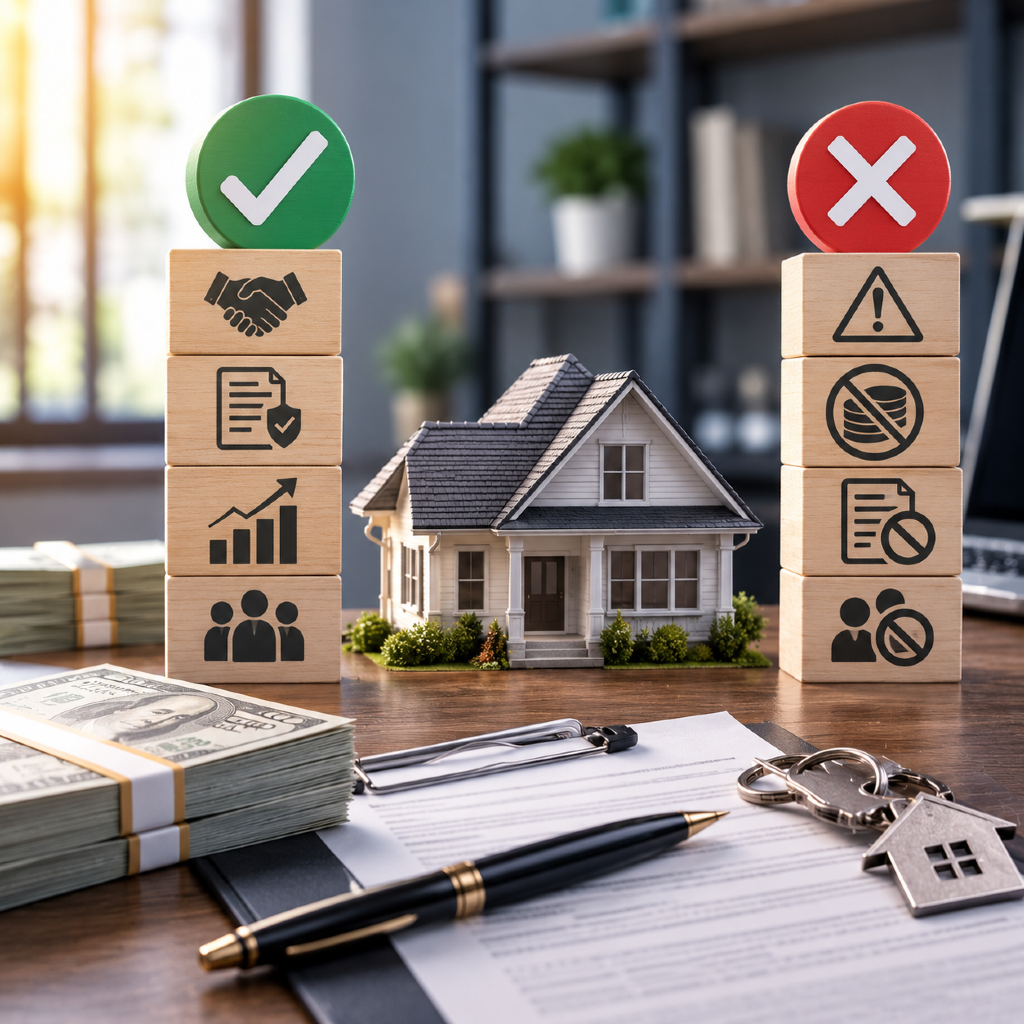
Compare the benefits of speed and opportunity with the risks of limited disclosures, tight timelines, and as-is condition. A balanced strategy puts client interests and preparation front and center.
FAQ: Can Anyone Buy at Auction?
Eligibility basics
Many auctions are open to the public, but buyers usually need to pre-register, provide identification, and show proof of funds. Some auctions may be restricted to registered real estate professionals or investors.
Agent guidance for new bidders
Walk first-time buyers through the auction registration process, explain deposit requirements, and clarify bidding procedures. Having an experienced agent on their side helps clients make better-informed decisions and reduces common pitfalls in these competitive buying environments.