

Key Takeaways
- Understanding appraisal challenges helps you better support clients and address valuation issues with confidence.
- Clear communication and detailed supporting evidence are essential in crafting effective appraisal rebuttals.
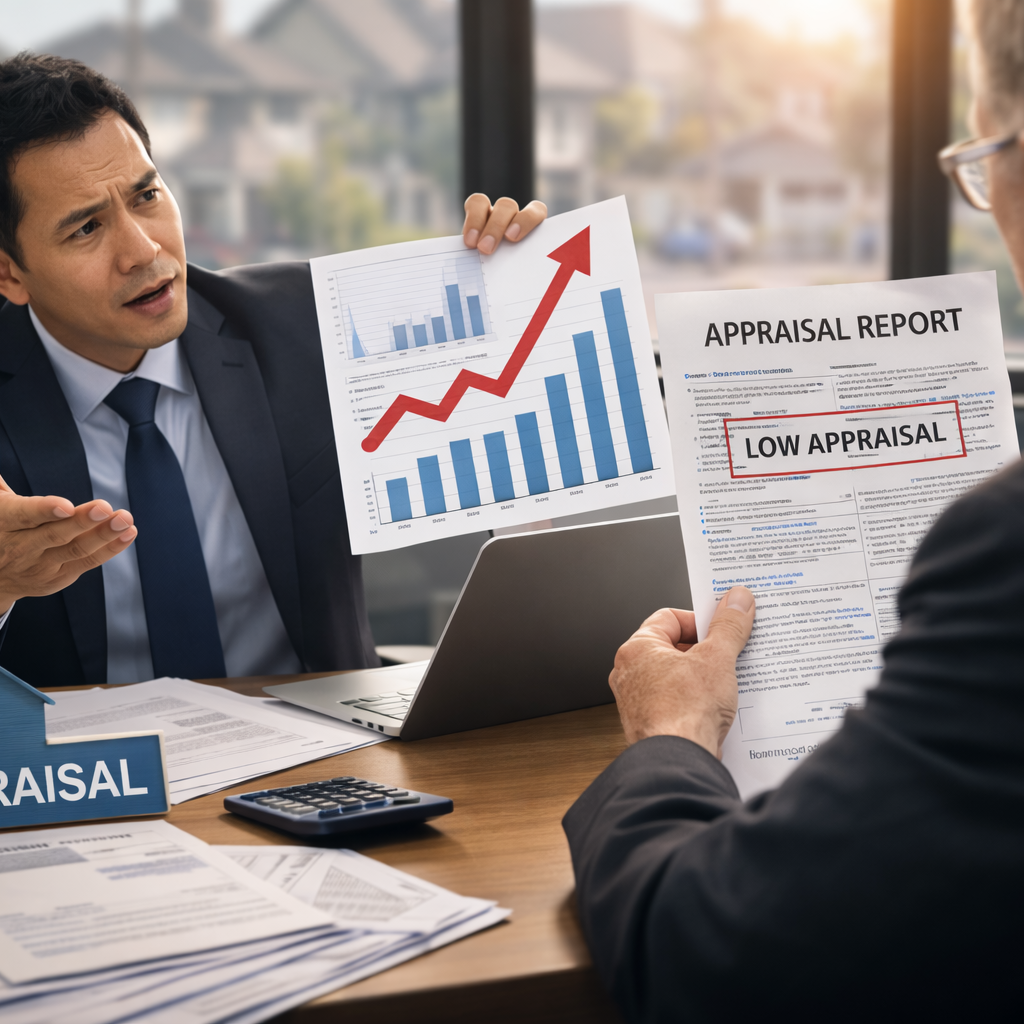
Property appraisals can present unexpected obstacles—especially in a changing real estate environment. As an agent, recognizing the root causes of appraisal issues and knowing how to approach rebuttals enables you to guide your clients with skill and transparency. Let’s walk through common challenges, effective preparation, and tips for a professional response to underwhelming valuations.
What Are the Most Common Appraisal Challenges?
Market volatility factors
Real estate markets are rarely static. When prices move quickly—up or down—appraisals can lag behind current trends. Rapid market changes may leave appraisers working with outdated sales, leading to property values that don’t accurately reflect present conditions. Rising interest rates or sudden surges in buyer demand can also introduce uncertainty, making valuations less predictable.
Unique property characteristics
Distinctive properties often challenge standard appraisal models. Features like custom designs, historic elements, or unique locations make it hard to find comparable sales. If your listing has uncommon upgrades or lot types, appraisers might struggle to justify the sales price using traditional methods. This can result in a valuation that falls short of expectations.
Why Do Appraisals Sometimes Fall Short?
Misaligned comparable properties
The value an appraiser assigns depends heavily on recently sold comparable homes (“comps”). When suitable comps are lacking or not truly comparable—due to differences in size, condition, or amenities—values may not accurately reflect your client’s property. Sometimes, comps may be farther away or sold under different market dynamics, which can skew the estimate.
Appraiser unfamiliarity with local market
A strong understanding of neighborhood trends is crucial for accurate valuations. An appraiser who isn’t local may overlook relevant factors, such as upcoming developments, school district boundaries, or unique neighborhood appeal. This disconnect can result in a lower-than-expected appraisal, even for competitive listings.
How Can Agents Prepare for Appraisal Issues?
Collecting relevant documentation
Before the appraisal, assemble detailed records for the property, such as recent sales in the area, receipts for renovations, and permits or certificates of completion. Clear, organized documentation gives the appraiser context and insight that might not be obvious from the MLS. Don’t hesitate to include neighborhood updates, like new amenities or infrastructure projects, that could influence value.
Highlighting recent upgrades
Showcase every improvement your client has made. Create a list of upgrades—including dates, costs, and contractor information—to present during the appraisal. High-quality photos and before-and-after documentation help illustrate how the property stands out from others on the market. This level of preparation can encourage a more informed—and potentially higher—valuation.
Steps to Effectively Rebut an Appraisal
Step 1: Review appraisal report
Examine the report for errors, omissions, or questionable comparables. Pay attention to square footage, amenities considered, and notes about the property’s condition. Flag details that seem inconsistent or inaccurate.
Step 2: Gather supporting evidence
Collect new or overlooked comparable sales, relevant listing data, and documentation of recent upgrades or repairs. Double-check timelines to ensure your evidence aligns with the property’s appraisal date. The stronger your data, the more persuasive your case.
Step 3: Draft clear rebuttal statement
Compose a professional, concise summary that outlines your concerns and supports them with facts. Reference specific pages or items in the appraisal, and attach your documentation. Avoid opinions—focus on documented discrepancies, updated sales, or upgrades that may have been missed.
Step 4: Submit professional response
Send your rebuttal package to the lender or appraisal management company following their preferred procedure. Maintain a respectful tone, clarify your requested corrections, and be available to answer follow-up questions. Prompt communication shows professionalism and enhances credibility.
What Makes a Strong Appraisal Rebuttal?
Clarity and factual evidence
A successful rebuttal is built on verifiable facts, not opinions or emotional arguments. Structure your response logically: start with the specific points of contention, then present your evidence. Include clear, side-by-side comparisons with the original appraisal for easy reference.
Respectful and neutral communication
Keep your tone professional and courteous. Avoid implying fault or making accusations against the appraiser. Instead, emphasize mutual goals—like achieving an accurate value for all parties—and stick to the facts. Respectful communication fosters cooperation and increases the chance your concerns will be addressed.
Appraisal Challenges: Frequently Asked Questions
How often can appraisals be contested?
Appraisals can be contested when factual errors or substantial differences arise, although success depends on the availability of strong supporting evidence. Most lenders allow for a formal review or reconsideration when clear discrepancies are present, but processes and frequency may vary by institution.
What if a rebuttal is denied?
If your rebuttal is unsuccessful, agents can review and discuss alternative paths with their clients. Options might include renegotiating terms, securing an additional appraisal (where permitted), or advising on next steps tailored to the transaction. Honesty and transparency are key in guiding clients through options without overpromising outcomes.
Proactive Strategies for Future Transactions
Building relationships with appraisers
Consistent, professional communication can foster positive long-term relationships with appraisers who cover your market area. While agents cannot select which appraiser is assigned to each case, establishing a reputation for providing thorough documentation and local expertise can encourage careful consideration when your transactions are under review.
Maintaining comprehensive property records
Stay prepared for future appraisals by keeping detailed, up-to-date records for every listing. This includes renovations, upgrades, maintenance, warranty information, and sales activity in the neighborhood. Organized records make it easier and faster to respond to value disputes, improving outcomes for your clients and streamlining your business processes.