

Renovation Scope and ROI Math: Comparing Agent Approaches for Real Estate
Key Takeaways
- Understanding renovation scope and ROI helps you make more informed decisions about home improvements and agent selection.
- Agents offer various strategies; assessing their approach and experience can help align with your specific selling or investment goals.
When deciding whether to renovate before listing a property, both sellers and agents weigh the same question: how much work is right, and will the investment pay off? The way agents size up renovation scope and calculate potential ROI can shape your choices—and determine how you position your property for success.
What Is Renovation Scope in Real Estate?
Defining renovation scope
Renovation scope describes the range and nature of work completed on a property before sale. It can include surface fixes—like fresh paint and new lighting—or more extensive updates, such as kitchen remodels or system upgrades. The scope sets expectations for timelines, budgets, and likely impact on value.
Common examples in listings
You’ll see the renovation scope reflected in listing descriptions with terms like “cosmetic updates,” “full gut renovation,” or “selective upgrades.” Common projects are refinished floors, bathroom refreshes, or adding energy-efficient systems. Sometimes, scope is limited to boosting curb appeal; other times, it involves reimagining entire living spaces.
How agents assess project scale
Agents assess renovation scale by reviewing buyer preferences in the local market, comparing similar properties, and getting input from contractors or stagers. They may use property disclosures, inspection reports, and market data to determine which projects could meaningfully influence buyer interest or offer price.
Why Does ROI Matter in Renovation Decisions?
Basic ROI math explained
ROI (Return on Investment) is a calculation to determine whether your renovation dollars will translate into higher sale price. The basic formula is: ROI = (Increase in Value – Renovation Cost) / Renovation Cost x 100. If you spend $20,000 on upgrades and your sale price rises by $25,000, your ROI is 25%.
Factors impacting return
Several factors affect ROI: market demand for your upgrades, current property condition, competition, and timing. Kitchen and bath remodels often yield solid returns in crowded markets. However, spending on highly personalized or luxury upgrades in a mid-market neighborhood may not generate the same payoff.
When should ROI be prioritized?
Prioritizing ROI makes the most sense when your goal is to maximize sale proceeds, especially if you’re on a budget or selling for investment purposes. For owner-occupants, some projects deliver lifestyle value even if resale return is lower. Agents can help clarify when ROI should drive decisions versus other personal priorities.
How Do Agent Approaches Differ?
Types of agent strategies
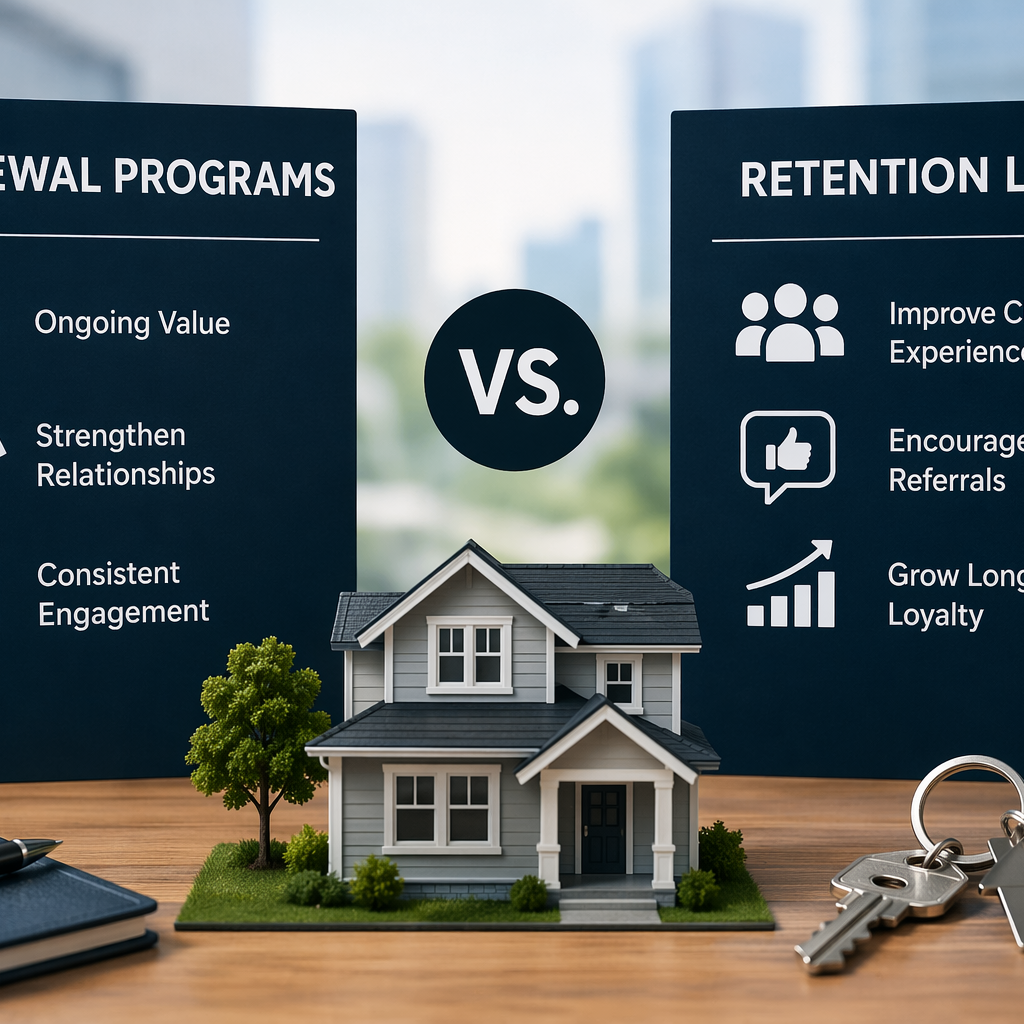
Agents employ a range of strategies in advising on renovation. Some take a conservative stance, suggesting only essential repairs or basic cosmetic fixes. Others encourage more transformative projects that reposition the property. The choice is shaped by market, property condition, and client goals.
Project management involvement
Level of involvement varies. Some agents act as advisors only, recommending vendors but leaving oversight to the owner. Others offer hands-on project management—coordinating estimates, timelines, and contractors—to save you time and ensure consistency. Top agents clarify their role up front to manage expectations.
Advising on scope and cost
Experienced agents provide data-driven advice, showing recent comps and likely ROI ranges for each project type. They’ll warn against over-improving for the local area or spending more than buyers will pay back. Good agents encourage you to set budget limits and prioritize repairs with the highest visible and functional impact.
Which Agent Approach Fits Different Clients?
First-time seller needs
If you’re a first-time seller, guidance on budget-friendly fixes and pitfalls to avoid are key. Agents can offer lists of high-impact, low-cost updates, connect you with reliable contractors, and help you stay realistic about timelines and possible disruptions.
Investor priorities
Investors focus on speed, cost control, and return. They often prefer agents who know how to identify undervalued properties, recommend only those upgrades that outperform in resale, and facilitate quick turnovers. Agents working with investors usually have strong renovation networks and deep local data on project paybacks.
Unique luxury property considerations
Luxury sellers have distinct needs. Here, agents may recommend tailored upgrades aligning with trends favored by high-end buyers. The scope can include bespoke features or premium materials, but advice will always be grounded in what’s resonating in the upper-tier market—not personal preference alone.
What Questions Should Sellers Ask Agents?
Evaluating renovation experience
Start by asking: “How often have you advised on pre-sale renovations? Can you share examples of recent outcomes?” Look for agents who back up their recommendations with relevant projects and transparent results.
Assessing market knowledge
Effective agents should demonstrate clear understanding of your local market: “Which updates are buyers valuing most in this neighborhood? What’s not worth doing right now?” Their responses show how data-driven their approach is.
Discussing expected value impacts
To make an informed decision, ask about the specific ROI you might expect for potential projects: “What kind of budget have your clients typically allocated for renovations, and what resale price changes did they see?” Agents can’t guarantee results, but they should provide honest, evidence-based estimates.
Key Mistakes to Avoid in Renovation Planning
Overestimating ROI potential
One common mistake is assuming every dollar spent translates to increased price. In reality, only certain upgrades return more than their cost. Be wary of over-improving or choosing features out of sync with buyer demand.
Underestimating renovation costs
Renovation always carries unexpected costs. Include contingency in your budget, seek multiple estimates, and ensure all work is documented. Relying on agent or contractor “ballpark” figures alone can lead to financial surprises.
Choosing the wrong contractor
Poor contractor selection can delay your sale, raise costs, or reduce quality. Get referrals, review credentials, and require contracts and clear scopes of work. Agents may share recommended vendors, but you should always do your own due diligence.
Case Study: Contrasting Agent ROI Strategies
Agent A: Conservative upgrades
Agent A advised a seller with a modest property in a competitive suburb. They recommended minimal investment—painting, deep cleaning, and curb appeal upgrades—emphasizing proven buyer preferences. Costs remained low, and the home attracted multiple offers above list price due to its market-ready presentation.
Agent B: Maximizing transformation
Agent B worked with a vacant, outdated home in a higher-end neighborhood. Their approach involved a moderate kitchen refresh, new floors, and updated bathrooms to match buyer expectations. While costs were higher, the property’s final sale price reflected a premium over local comparables, offsetting the expenditure.
Outcome and learning points
Both strategies succeeded, but for different reasons. Agent A’s conservative approach delivered strong ROI by targeting only the most valuable updates, ideal for budget-conscious sellers. Agent B’s selective but substantial upgrades unlocked new buyer segments and achieved a higher sale price. The lesson: agent guidance should be tailored to property condition, market, and your specific objectives—no single approach fits all.