
Key Takeaways
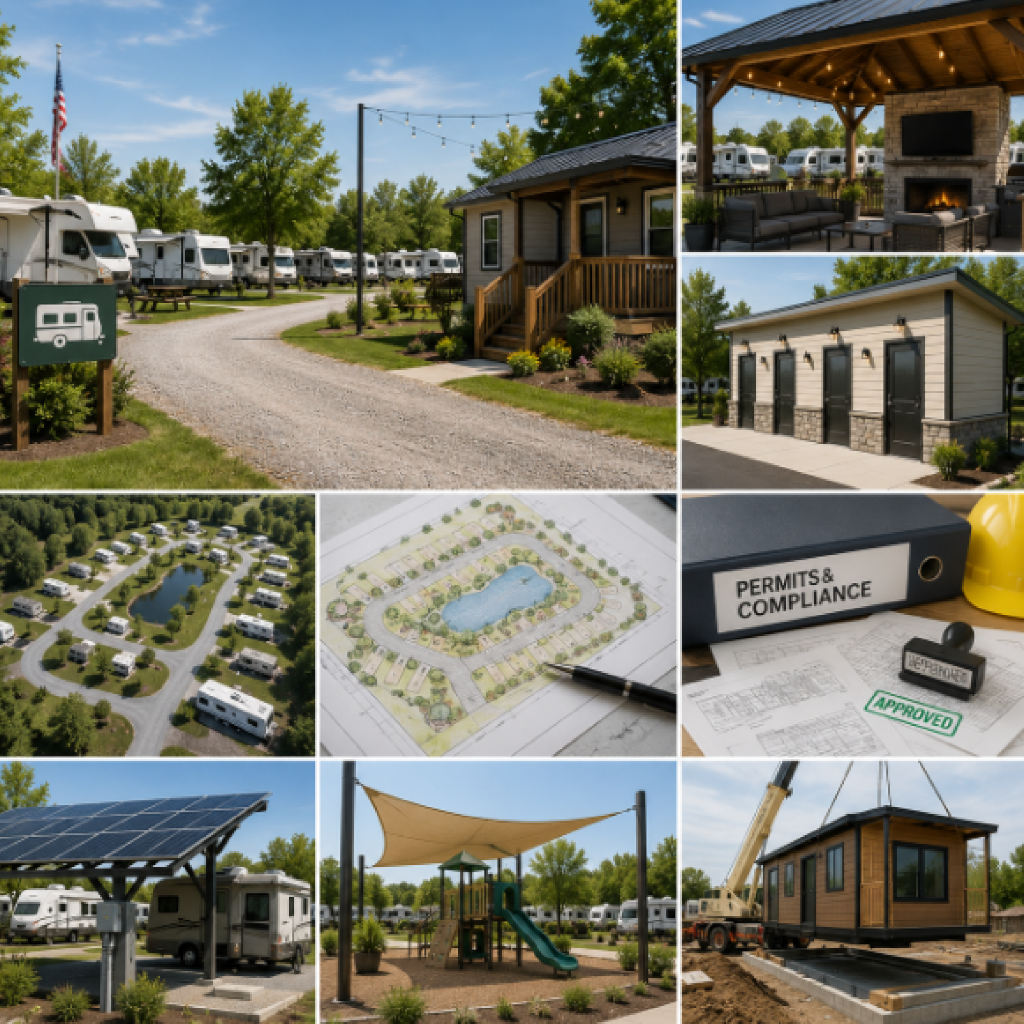
- RV park conversions and add-ons offer significant opportunities for increased value and guest appeal.
- Navigating compliance, planning, and market trends is critical for real estate professionals managing RV park projects.
Did you know the demand for innovative RV park experiences is projected to rise significantly by 2026? Understanding conversions and add-ons could unlock your next growth opportunity. Below, you’ll find expert-verified answers to the most pressing questions about the value, process, and compliance standards shaping the future of RV parks.
What Are RV Park Conversions?
Defining conversions and add-ons
When you hear the term “RV park conversion,” it refers to transforming an existing property—often not a campground—into a site that caters to RV guests. This might mean taking an outdated motel, mobile home park, or even vacant land and reimagining it for recreational vehicles. The process isn’t just about infrastructure but about repositioning the property within a growing market segment.
Add-ons are enhancements or new amenities attached to an existing RV park. These can range from upgraded power hookups and Wi-Fi to new communal spaces or recreational features. Add-ons often distinguish a park from its competition, catering to evolving guest preferences.
Common property types to convert
Commonly, you’ll see the following property types transformed into RV parks:
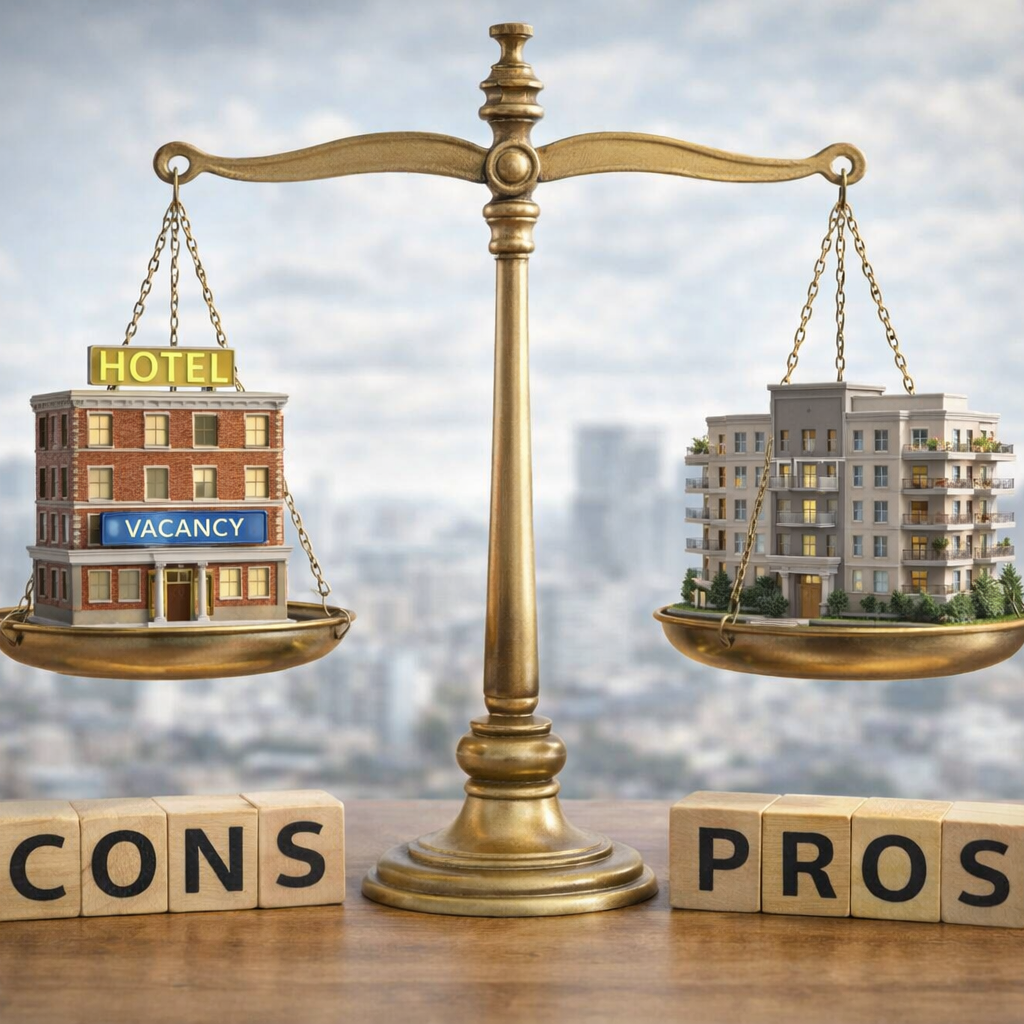
- Underutilized hotels or motels
- Mobile home communities
- Country inns with expansive grounds
- Unused agricultural land
- Existing campgrounds shifting to accommodate RVs
Each property type brings unique opportunities and regulatory requirements that should be evaluated early in the process.
How Do RV Park Add-Ons Create Value?
Revenue opportunities from add-ons
Add-ons can substantially boost an RV park’s revenue streams. Upgrading hookups, adding laundry or dog parks, installing solar panels, or offering premium fast Wi-Fi allow you to command higher nightly rates and attract longer-term guests. Value-added services—such as on-site equipment rental or guided local adventures—can further diversify income.
For agents and operators, understanding industry benchmarks for occupancy, average daily rate, and ancillary revenue drives smarter investment decisions. Enhanced amenities often translate into improved online reviews, directly influencing future bookings.
Impact on guest experience
Today’s RV travelers expect more than a parking space. Thoughtfully designed add-ons improve the guest experience, from the basics (clean, level sites and easy check-in) to value-driven extras (community kitchens, playgrounds, or coworking lounges). Satisfied guests are likely to become repeat customers and brand advocates, delivering organic marketing benefits through reviews and word of mouth. In competitive markets, differentiating your park with add-ons caters to the expectations of modern travelers.
What Is the Conversion Process?
Initial planning and feasibility
Every successful conversion starts with comprehensive planning. Begin by assessing the property’s physical condition, location, and infrastructure—think about road access, utilities, drainage, and space for recreational amenities. Next, conduct a thorough market analysis to identify demand, rate potential, and your target audience.
Prepare a detailed feasibility study that includes budget projections, anticipated renovation or construction timelines, and a clear go-to-market strategy. Engaging experienced consultants, architects, and engineers during this stage adds expertise and helps prevent costly oversights.
Working with local officials
Converting or upgrading an RV park requires close collaboration with city planners, zoning boards, and health and safety departments. Early engagement streamlines the process and minimizes risk. Be prepared with site plans, environmental assessments, traffic studies, and project timelines.
Open communication and transparency foster good relationships with officials, ensuring smoother reviews and permitting. Real estate agents can play a valuable role here by acting as project coordinators and liaisons, ensuring all documentation is complete and timelines are clear.
Key Compliance Questions to Ask
Permitting and zoning basics
The most critical compliance considerations are local zoning ordinances and special permits specific to RV parks. Confirm that the property is in a zone that allows RV camping, that setback and density requirements are met, and that all infrastructure upgrades comply with code. You’ll also need to consider water and waste management regulations, fire safety, and ADA accessibility.
Prioritize research before committing resources—a missed zoning restriction or design standard can halt progress or require costly revisions.
Staying within legal boundaries
Legal compliance extends beyond construction. Ongoing operations require adherence to local, state, and federal guidelines around guest stays, health and sanitation, and fair lodging practices. Ensure all signage, contracts, and services align with consumer protection guidelines. While this article provides educational guidance, always recommend consulting a licensed attorney or planner for site-specific legal or technical interpretations.
What Trends Are Shaping RV Park Upgrades?
Emerging guest preferences in 2026
Guests in 2026 seek flexibility, comfort, and intelligent amenities. Parks offering reservable private patios, high-speed internet, fitness zones, and curated local experiences see higher demand. Longer stays are becoming the norm, and the market for remote working travelers continues to grow.
Eco-friendly and tech-forward add-ons
Environmental considerations are front and center. Solar-powered sites, electric vehicle charging stations, efficient water systems, and habitat-friendly landscaping stand out—not just with guests, but with regulators and investor partners. Smart automation, app-based site management, and contactless check-in create convenience while enabling efficient park operations.
For real estate professionals, being aware of these trends helps guide clients and stakeholders toward add-ons and conversions that meet evolving guest expectations and anticipate future regulatory shifts.
Challenges Real Estate Agents Should Know
Potential hurdles in the process
RV park conversions are not without obstacles. Unforeseen permitting issues, infrastructure constraints, and community pushback can stall projects. Budget overruns and supply chain delays—common in construction—can also erode margins and affect forecasted returns.
Communicating risks to investors
It’s vital to set realistic expectations and communicate risk clearly to investors and stakeholders. Highlighting regulatory timelines, possible cost fluctuations, and the importance of contingency planning builds trust and mitigates misunderstandings. Prepare detailed documentation and emphasize the value of third-party evaluations before and during the project.
FAQ: RV Park Conversion and Add-On Essentials
Typical project timelines
Project timelines for RV park conversions and significant add-ons vary widely. Straightforward upgrades may take just a few months from planning to completion, while full-scale property conversions can extend over a year. Variables include permitting, seasonality, and the scope of work.
Key resources for further guidance
Stay informed by connecting with local planning departments, state RV industry associations, and national groups such as the National Association of RV Parks & Campgrounds. Trade publications and regular consultations with licensed professionals in land use and hospitality law provide additional support and up-to-date information.