
Key Takeaways
- Cold storage real estate continues to present unique opportunities and operational challenges for investors in 2026.
- Market trends highlight strong demand, but careful consideration of risks and tenant quality is critical for long-term success.
Demand for cold storage facilities has skyrocketed in 2026, driven by shifts in supply chains and consumer expectations. As an investor or agent, understanding the nuances of this asset class is crucial for evaluating opportunities and guiding clients with confidence.
What Is Cold Storage Real Estate?
Definition and core features
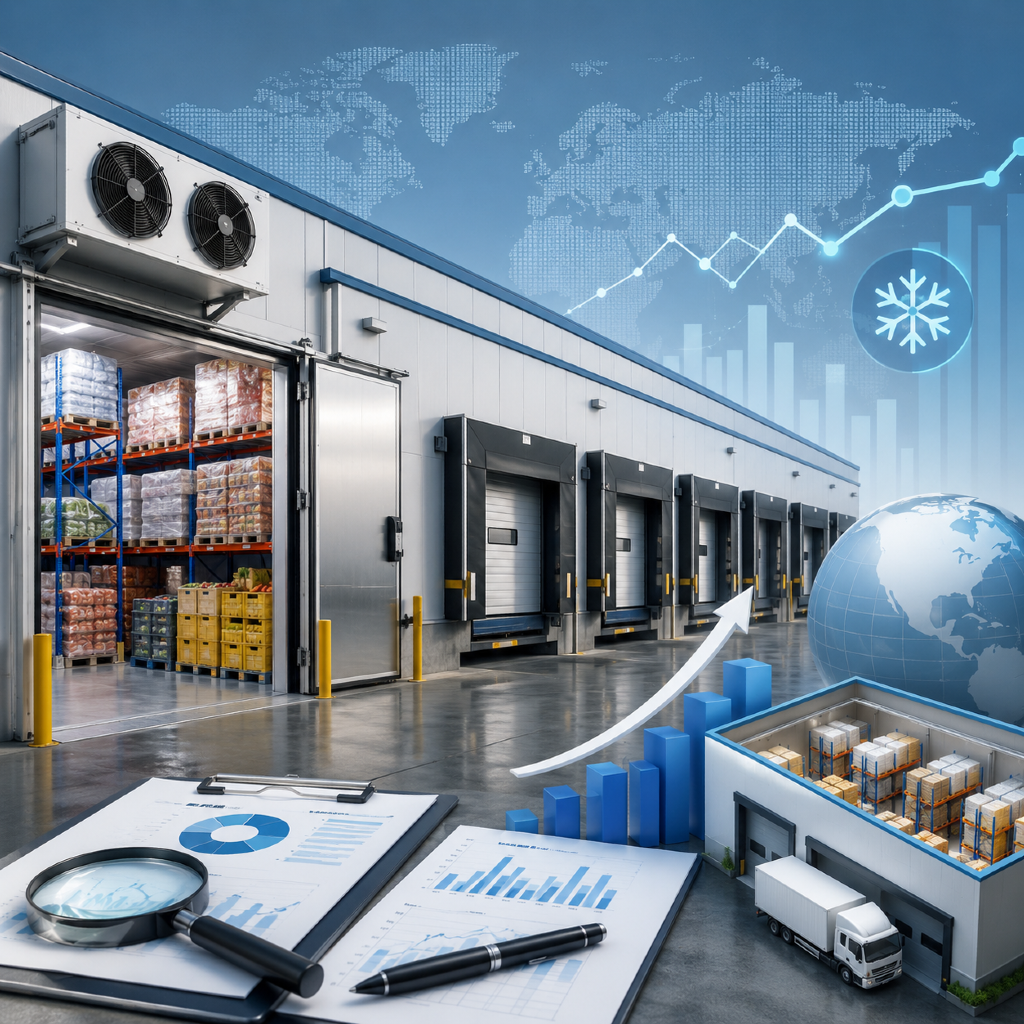
Cold storage real estate refers to specialized industrial properties that are designed for the safe storage and handling of temperature-sensitive goods. These facilities maintain strict temperature controls, often ranging from refrigerated (typically 33–40°F) to frozen environments (down to -20°F or lower), to preserve the integrity of perishable items. Core features include robust insulation, backup power systems, advanced refrigeration technology, and rigorous compliance with health and safety standards. In addition, layout considerations—such as dock access, floor load capacity, and temperature zoning—play a pivotal role in both operational efficiency and tenant appeal.
Types of tenants and uses
The tenant mix in cold storage spans a variety of industries, including food distributors, grocery retailers, pharmaceutical companies, and meal kit providers. In recent years, demand has also expanded to support sectors like e-commerce grocery delivery and biologics. Uses can range from distribution hubs for large supermarket chains to third-party logistics (3PL) providers offering storage-as-a-service. Understanding these tenant profiles is key to underwriting cold storage assets effectively.
Why Is Cold Storage Gaining Attention in 2026?
E-commerce and food logistics
Two major forces have propelled cold storage into the investor spotlight: the growth of e-commerce and increased food supply chain complexity. Online grocery sales and direct-to-consumer fulfillment have surged, putting pressure on logistics networks to ensure rapid and reliable delivery of perishables. Cold storage facilities are now integral to last-mile distribution strategies, serving both traditional grocers and digital-first brands.
Shifts in consumer demand
Consumer habits in 2026 reflect a strong preference for fresh, organic, and ready-to-cook foods. This shift has created new demand clusters near urban centers and along major transportation corridors, as companies seek to shorten delivery times and reduce spoilage. Pharmaceuticals, particularly vaccines and specialty medicines, are also contributing to robust cold storage demand due to the need for tightly controlled environments.
What Market Trends Are Emerging This Year?
Vacancy rates and supply pipeline
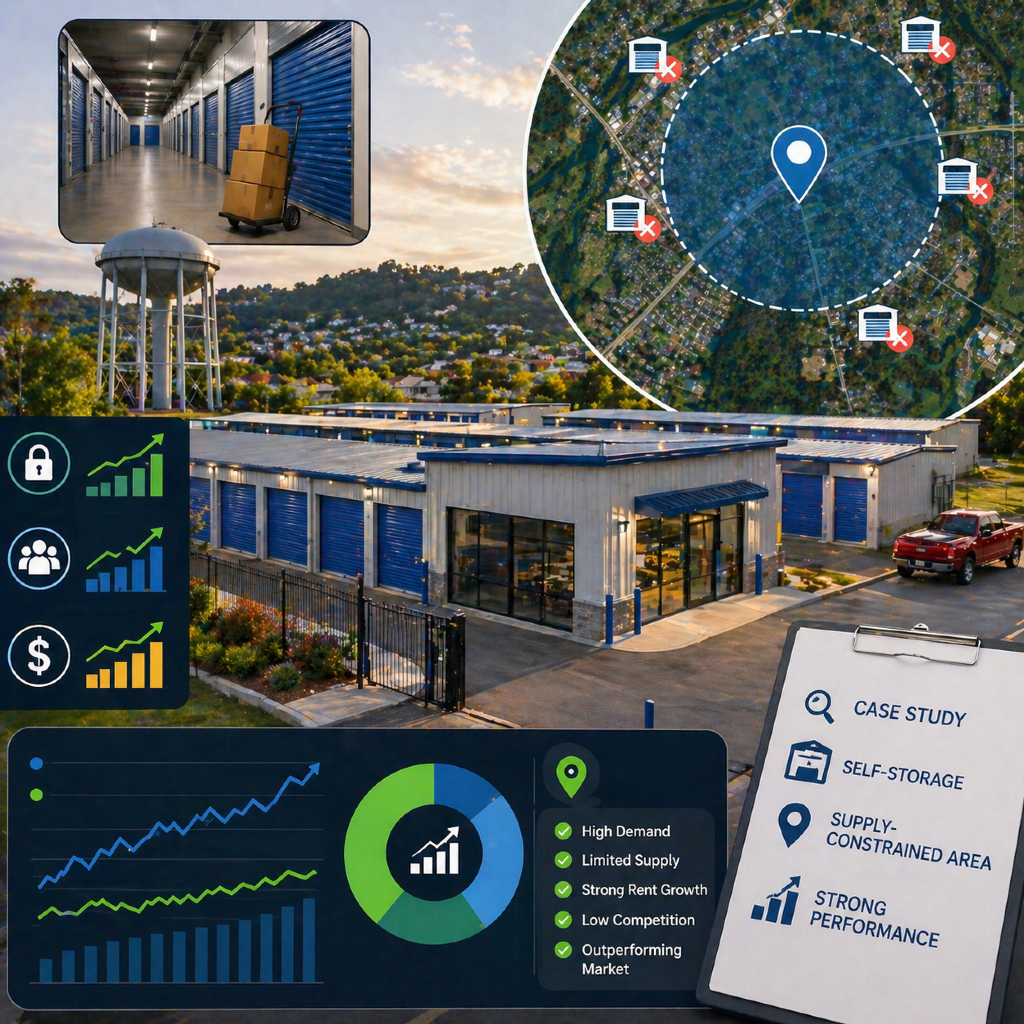
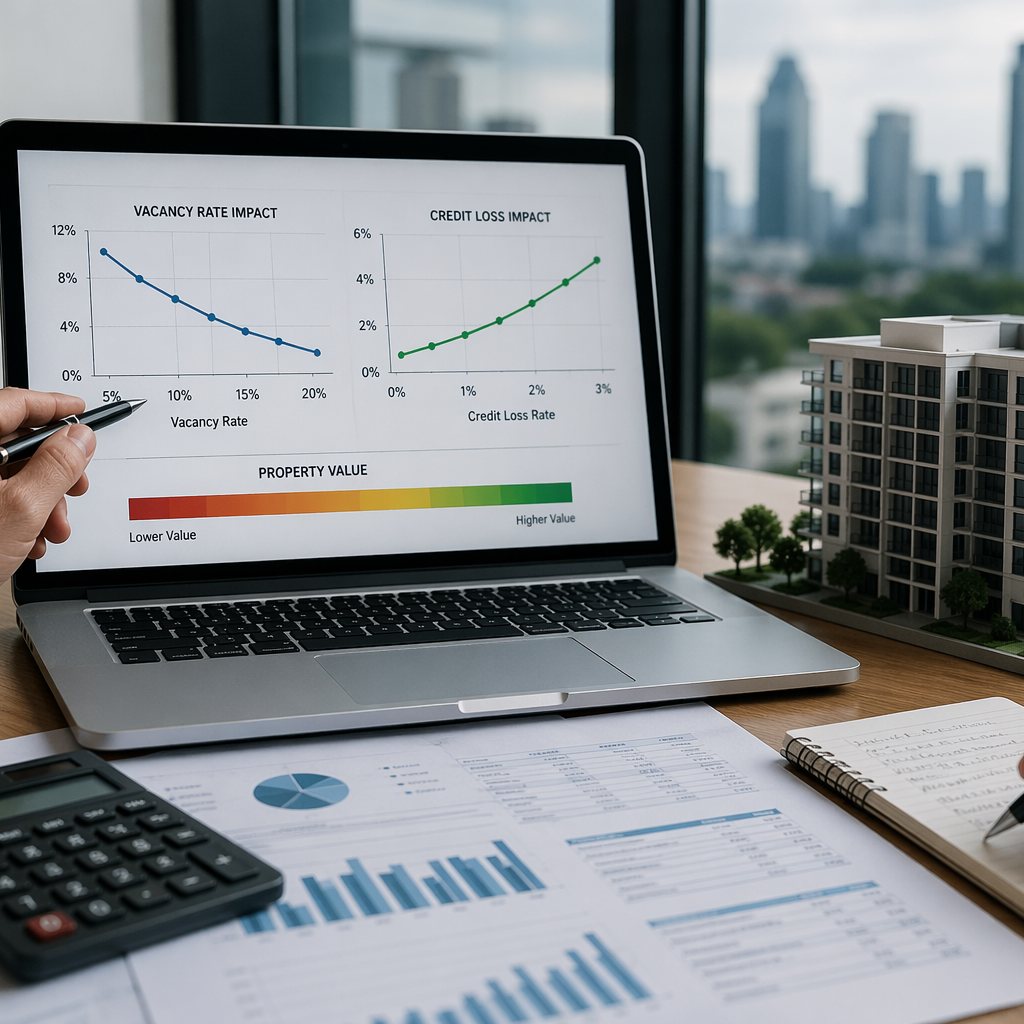
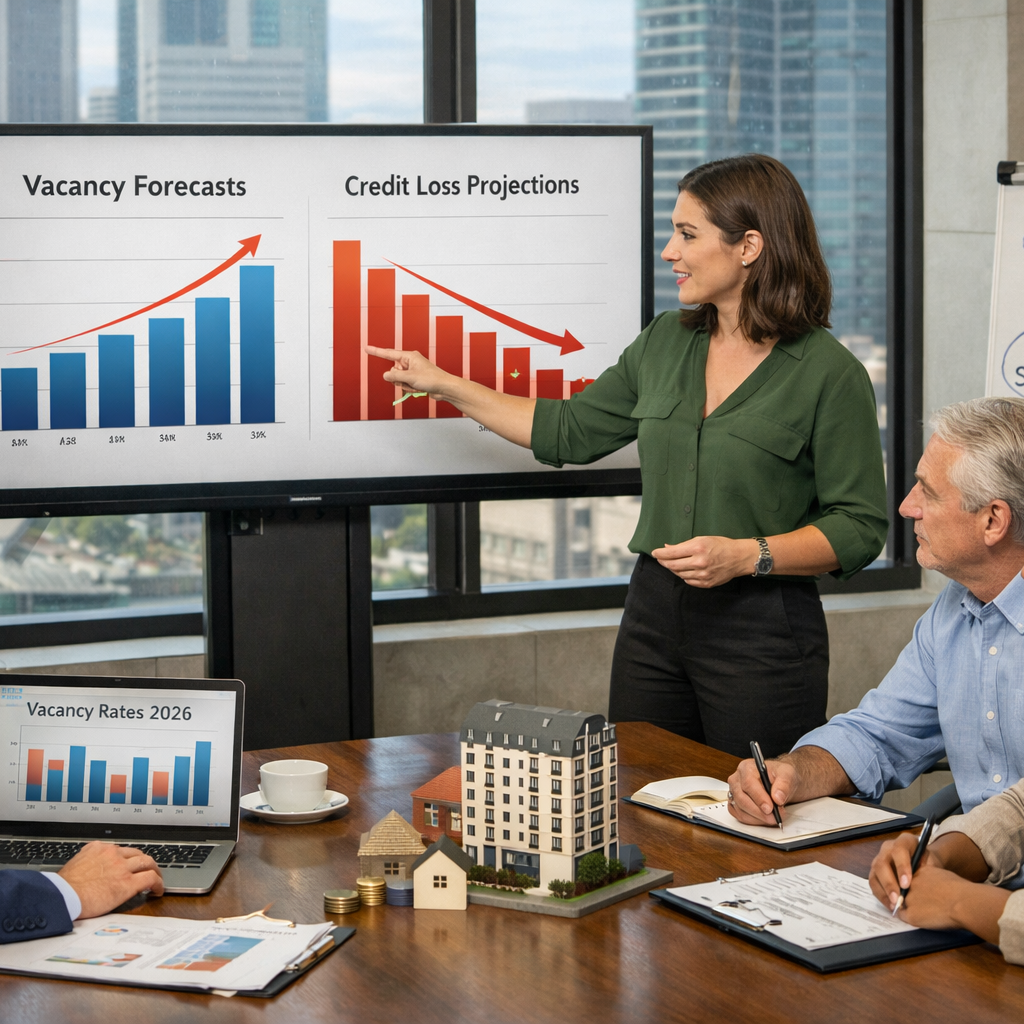
Vacancy rates in cold storage remain well below those typically seen in general industrial real estate. As of mid-2026, national vacancy averages hover around 3% for temperature-controlled space, with strong variations depending on region and proximity to major population centers. Development pipelines are robust, but lengthy build times and high capital requirements have slowed the pace of new deliveries relative to demand.
Rental growth and investment yields
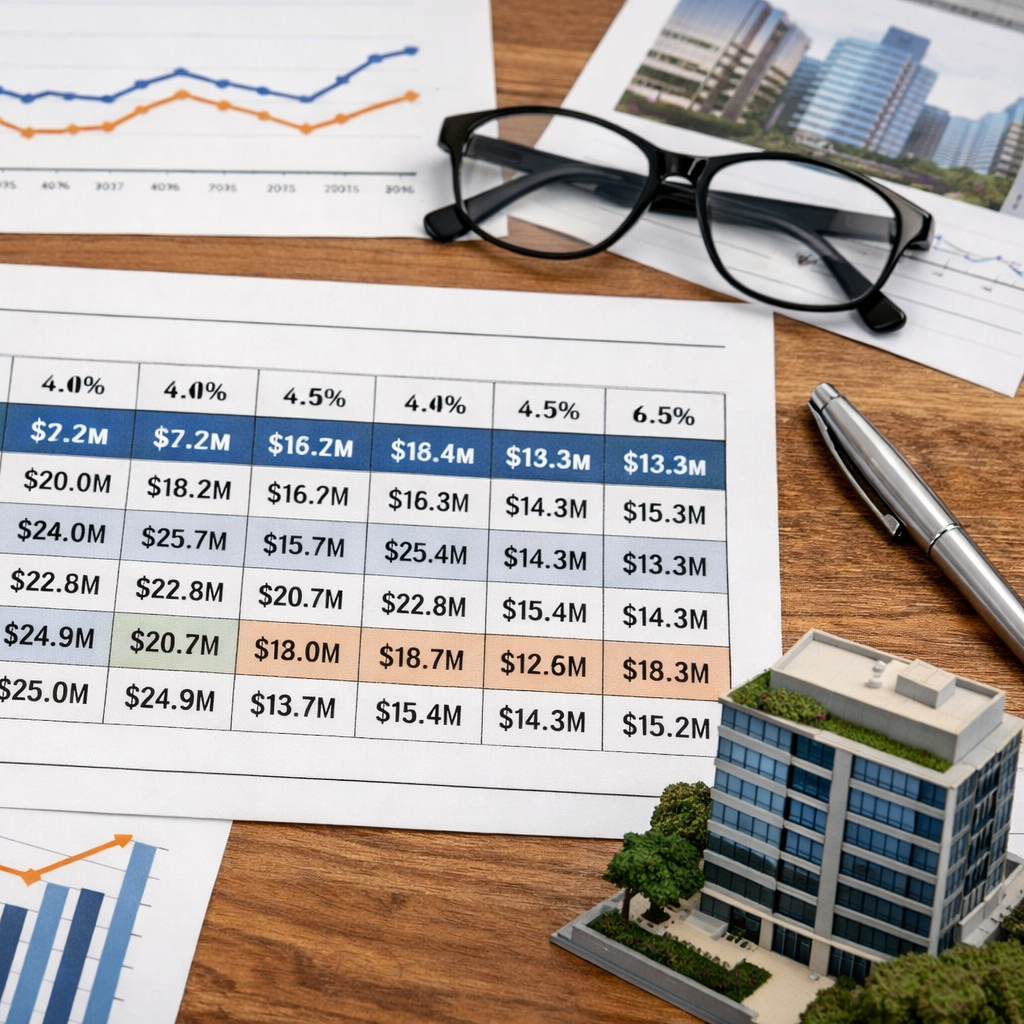
Rental rates for cold storage have outpaced general warehouse rents, particularly in established logistics hubs and high-demand urban corridors. Double-digit percentage rental growth has been observed in select markets, fueled by constrained supply and increased tenant willingness to pay premiums for modern, highly efficient facilities. Investment yields are compelling for those with a long-term horizon, but cap rates have gradually compressed as more institutional capital enters the sector.
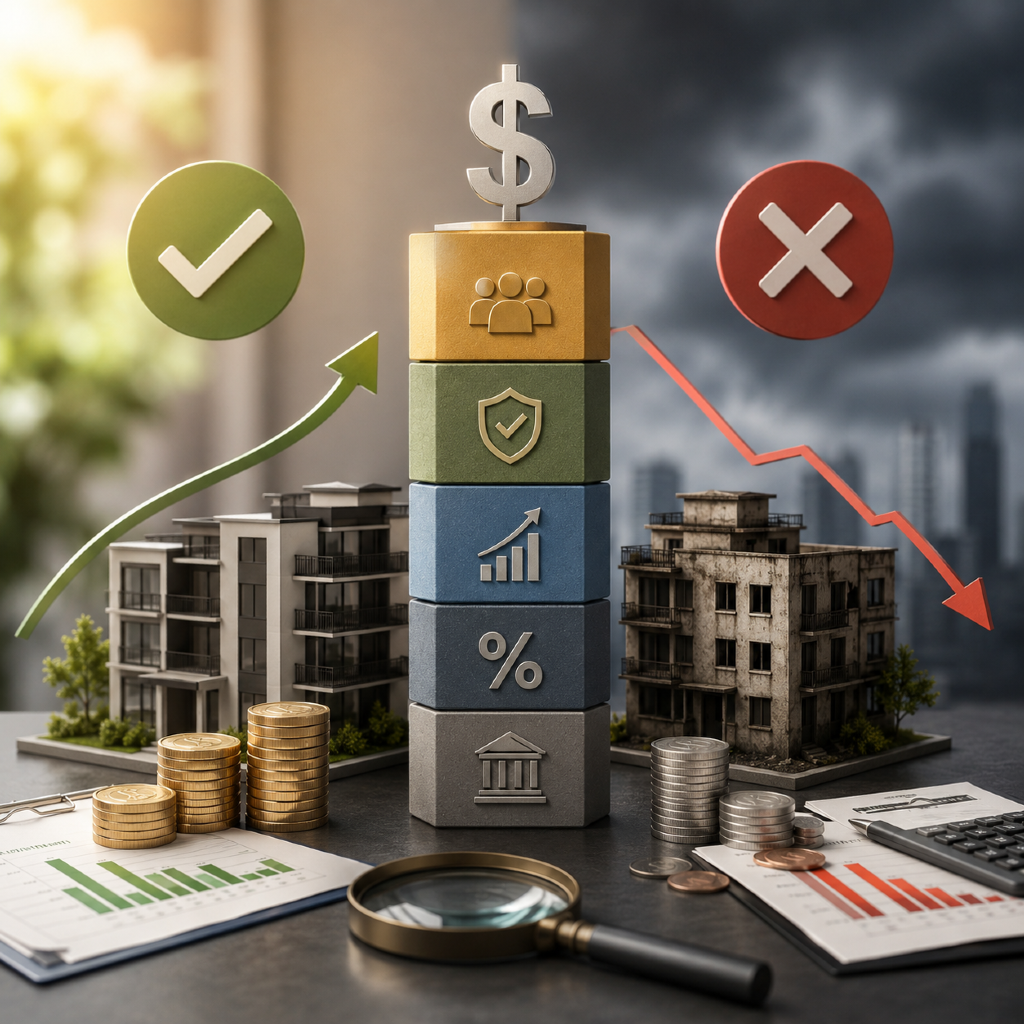
Key Considerations for Investors
Risk factors to evaluate
Investing in cold storage real estate carries unique risks compared to standard industrial assets. Operational reliability is paramount; any disruption in temperature control can lead to significant tenant losses and reputational risk. Mechanical systems can be costly to maintain or replace, and regulatory requirements around food safety or pharmaceuticals may shift over time. Investors should assess property age, system redundancies, and environmental compliance as part of their due diligence process.
Location and tenant quality
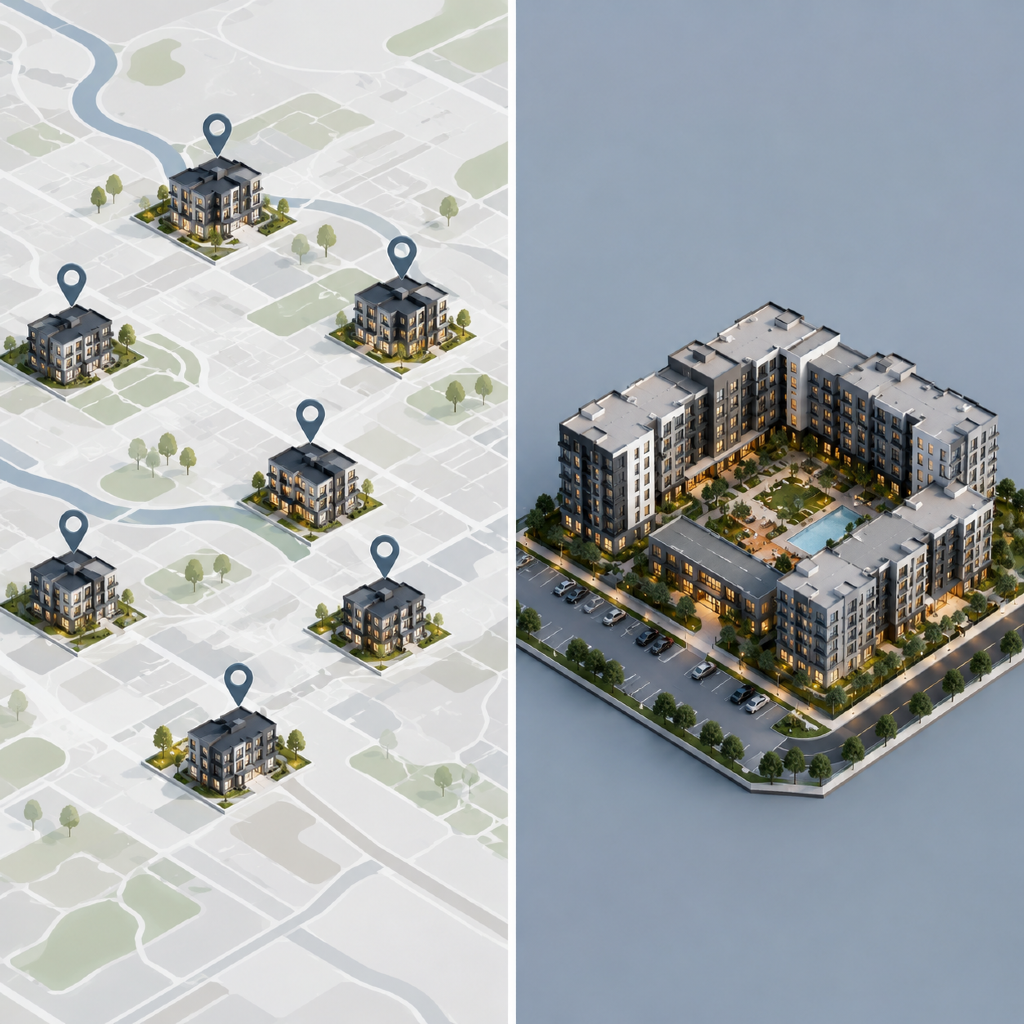
Location is a core determinant of both tenant quality and long-term income stability. Proximity to ports, highways, urban population centers, and major distribution networks increases asset appeal. It is equally important to evaluate tenant creditworthiness and operational expertise. Strong, experienced operators tend to sign longer-term leases and are more likely to invest in facility upgrades, while diversified tenant rosters help mitigate vacancy risk. Deep market knowledge will help identify locations with the right demand drivers.
How Do Cold Storage Investments Differ?
Specialized operational requirements
Cold storage operations are fundamentally more complex than traditional warehouses. Refrigeration, humidity control, and backup systems add operational costs and maintenance demands. Tenants often require customized buildouts, which can affect future re-leasing strategies. Leasing cold storage typically involves greater collaboration between owners and occupiers to align on equipment specifications, energy efficiency, and process flows.
Lease structure variations
Leases for cold storage facilities can differ substantially from standard industrial contracts. They commonly feature longer terms, frequent renewal options, and pass-throughs for maintenance or capital costs related to refrigeration equipment. Given the high cost of facility fit-out and conversion, lease-up periods for vacant space may be longer. Accurate underwriting should incorporate anticipated downtime and buildout requirements for specialized users.
What Are the Main Challenges in 2026?
Construction costs and technology
Building modern cold storage facilities entails significant upfront investment, often two to three times higher per square foot than conventional industrial buildings. Rising costs for materials, skilled labor, and advanced refrigeration technologies present hurdles for both speculative and build-to-suit projects. Investors must balance the need for cutting-edge technology against budget constraints, all while ensuring compliance with energy and safety regulations.
Market saturation concerns
While demand remains robust in 2026, select regions with aggressive construction pipelines may be at risk for oversupply—particularly where market analyses have lagged actual demand growth or where new entrants are clustering. Ongoing monitoring of new development announcements and absorption rates is critical. Experienced investors focus on markets demonstrating sustained demand drivers and long-term user commitment to mitigate potential saturation risk.