

Key Takeaways
- Implementing thorough safety plans significantly reduces liability risks for agents and builds client trust.
- Consistent documentation and collaboration with brokers are crucial for effective, compliant safety practices.
In today’s real estate market, well-documented safety policies are essential tools. For agents, comprehensive safety plans not only protect clients and visitors but also help reduce liability claims, establishing your commitment to high professional standards.
What Is Premises Liability?
Definition and Legal Overview
Premises liability is a legal concept holding property owners or occupiers accountable for accidents and injuries that occur on their premises due to unsafe conditions. This means that if someone is injured because of a hazard or negligence on a property, the responsible party may be held liable for damages, provided certain legal standards are met. Common examples include slip and falls, inadequate security, or exposure to unsafe materials.
How It Applies in Real Estate
As a real estate agent, you may not own the properties you show, but you’re often in control of the environment during showings, open houses, or private tours. Thus, you hold a duty of care toward clients, guests, and other visitors. If hazards are missed or safety protocols are ignored, liability risks increase—potentially affecting both yourself and your brokerage.
Why Should Agents Prioritize Safety Plans?
Client Trust and Professional Standards
Your clients rely on your expertise to keep them safe during all stages of a property transaction. Prioritizing safety clearly demonstrates your professionalism, instills trust, and aligns you with industry expectations. Agents who communicate their safety protocols transparently often differentiate themselves and build stronger client relationships.
Reducing Risk During Property Tours
By deploying a proactive safety plan, you minimize the chance of incidents like falls, unauthorized access, or property damage. This proactive approach limits liability risks for both the agent and client, supports smoother showings, and protects your reputation—especially as safety expectations rise in 2026’s dynamic real estate environment.
Key Elements of an Agent Safety Plan
Property Access Procedures
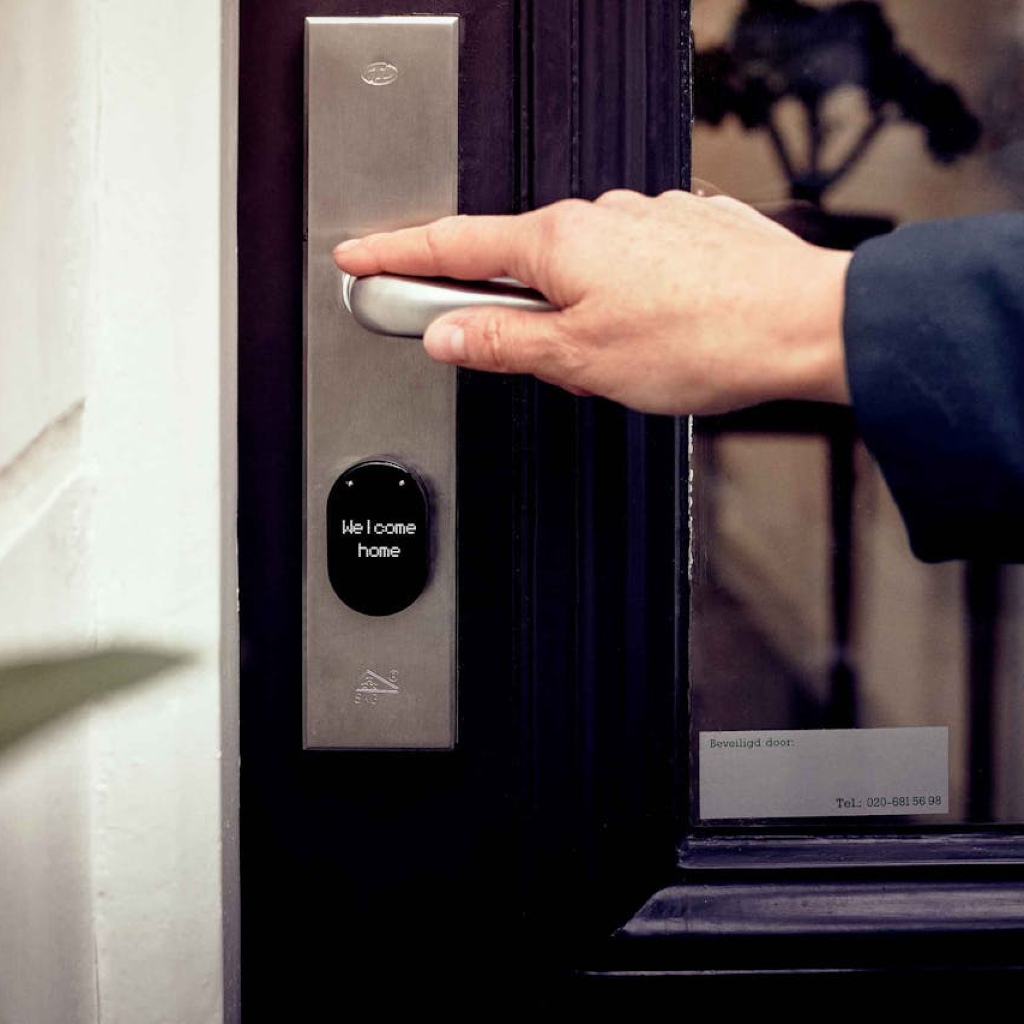
A robust safety plan starts with clear property access procedures. This includes verifying and scheduling appointments, securing all entry points, checking keys or lockboxes, and using sign-in systems. By restricting unsupervised access and documenting all entries, you help eliminate unapproved visitors and reduce opportunities for accidents or unauthorized actions.
Emergency Protocols
Every safety plan should outline processes for handling emergencies, including medical situations, fire, or severe weather. Make sure you know each property’s emergency exits, have contact information for local authorities, and can provide swift instructions to clients or visitors. Regularly review and practice these protocols to ensure a calm, effective response if an incident arises.
Visitor Documentation
Accurate documentation of everyone entering a property is vital. Maintain detailed sign-in sheets or use digital visitor logs, noting entry and exit times. For higher-value listings or open houses, consider photo identification for added security. Thorough visitor documentation provides an extra layer of accountability and can be critical if questions arise after a showing.
How Can Agents Minimize Liability Risks?
Pre-Showing Risk Assessments
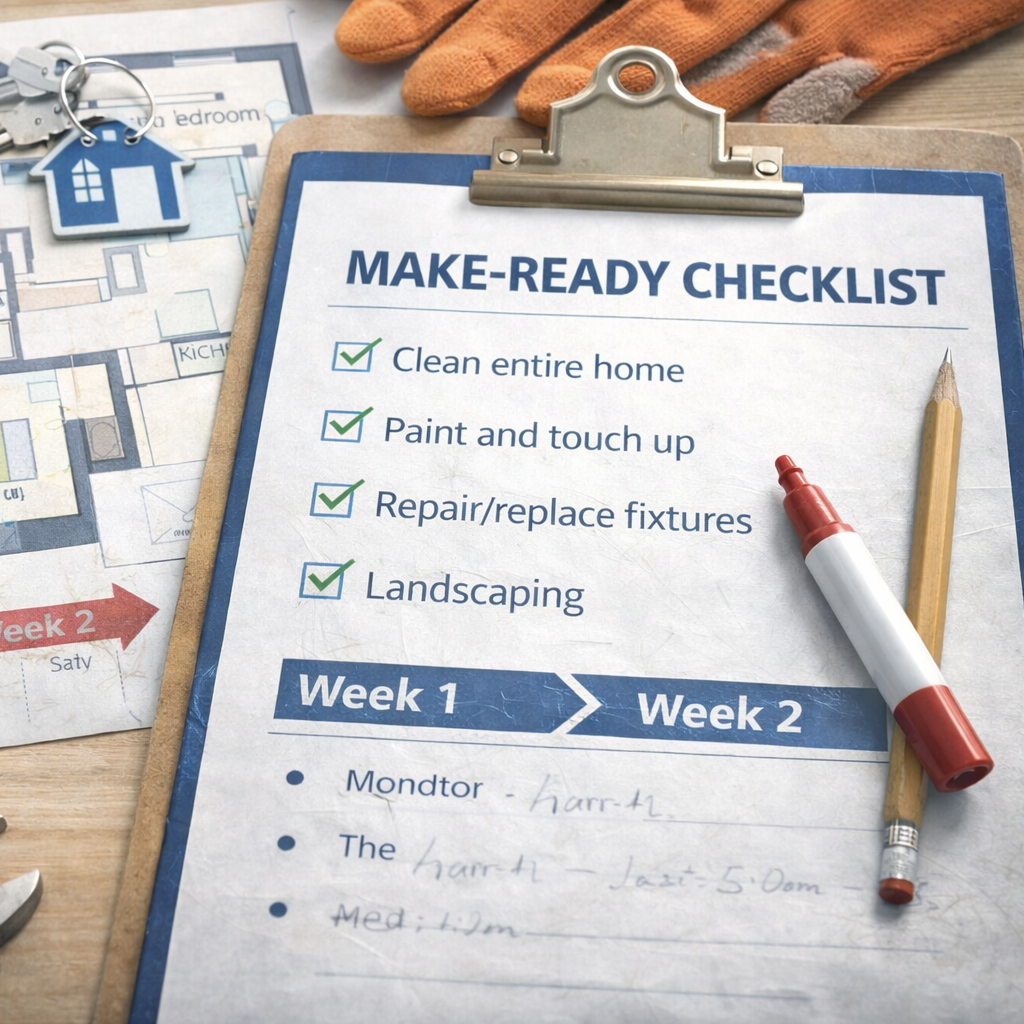
Before every showing, conduct a walk-through to spot and address hazards like wet floors, loose railings, poor lighting, or obstructed exits. Document these checks as part of your routine process. Proactively fixing or reporting these issues communicates diligence and dramatically lowers the potential for accidents or claims.
Clear Communication with Clients
Always advise clients of their responsibilities regarding property safety, such as securing valuables and fixing known hazards. Establish these expectations in writing where possible. During tours, clearly communicate house rules and emergency instructions. Open, helpful conversations show professionalism, protect all parties, and promote positive client experiences.
What Are Common Safety Plan Mistakes?
Overlooking Hazards
Too often, busy agents may overlook common risks—such as loose stair treads, trip hazards on walkways, or missing smoke detectors. Rushed or inconsistent inspections can leave you vulnerable to avoidable incidents. Make systematic risk checks a non-negotiable part of your process, particularly for unfamiliar properties.
Neglecting Updates or Training
A safety plan is only as strong as its execution. If you fail to update your procedures after incidents or ignore new industry guidelines, gaps can emerge. Similarly, agents who skip ongoing safety training may find themselves unprepared for emergencies. Regularly refresh your knowledge and adjust protocols based on new risks or regulatory changes to stay ahead.
Enhancing Safety for Open Houses
Controlling Entry Points
Open houses see increased traffic and, without strict control, higher risk. Limit access to a single monitored entry point whenever possible. Use greeters or event staff to verify visitors, record their details, and prevent unauthorized access.
Managing Visitor Flow
Crowds can lead to accidents or property damage. Manage the number of visitors inside at one time; stagger arrivals when necessary. Use signs, ropes, or agents to direct the flow and keep all attendees in view. This not only protects safety but helps create an organized event.
Implementing Real-Time Check-Ins
Employ mobile apps or digital check-in systems to track visitors in real time. Immediate recordkeeping supports quick responses if issues arise and creates transparent logs for later reference. Combined with visible safety signage and agent supervision, this approach maximizes open house security.
How Should Agents Document Safety Actions?
Incident Log Best Practices
Maintain a clear, structured log of all safety-related incidents or near-misses, detailing what happened, who was involved, and your response. Logs should be factual, objective, and completed as soon as possible after any event. This careful recordkeeping protects you if liability questions arise and can help you identify process improvements.
Record Retention Policies
Develop a firm policy for retaining safety and incident records—often at least several years, but check current local and state requirements. Store documents securely and ensure only authorized personnel have access. Proper documentation habits show diligence and support your compliance with industry standards.
Collaborating with Brokers on Safety Policies
Standardizing Office Protocols
Agent safety isn’t just an individual concern—it’s a team priority. Work with your broker or office manager to develop standardized, written safety policies encompassing all aspects of showings, documentation, and training. Standardized policies ensure all team members follow consistent, compliant practices and foster a culture of safety.
Team-Based Safety Evaluations
Regularly conduct group safety audits or walkthroughs with colleagues to identify overlooked hazards, review emergency procedures, and discuss incident logs. These team-based evaluations surface new risks, promote accountability, and encourage knowledge sharing—strengthening both compliance and confidence among all agents.