

Key Takeaways
- Draw schedules offer structure and oversight but do not eliminate all investment risks.
- Ongoing evaluation and use of multiple risk management strategies offer stronger protection.
Draw schedules are a common tool in real estate project financing, often perceived as a foolproof way to safeguard investor funds. But do they offer full protection, or is that belief a myth? By pulling apart the facts from common misconceptions, you can make more informed decisions about your project management and risk strategies.
What Is a Draw Schedule?
Definition and industry context
A draw schedule is a predefined plan that details when and how funds will be distributed throughout a real estate project. Typically used in construction and renovation investments, draw schedules guide payments tied to project milestones, such as completing foundation work or framing a structure. They act as a blueprint for releasing capital in stages, with the goal of aligning payments to actual project progress.
Within the industry, draw schedules are standard practice among lenders, developers, and real estate investors. By linking funding to completed work, they aim to reduce the risk of misused funds and unmonitored spending—especially on projects with high upfront costs and long timelines.
Common structure in real estate projects
A typical draw schedule outlines several phases—such as site preparation, foundation, framing, mechanical/electrical, and finishing. Each phase has an associated draw, or disbursement request, which generally requires inspection or documentation before funds are released. This step-by-step structure ensures that money flows only as progress is visibly and verifiably made.
Why Are Draw Schedules Used?
Purpose in risk management
Draw schedules are used to manage risk by controlling cash flow and promoting accountability. They help you avoid overpaying contractors or developers before clear progress is made, reducing the incentive for mismanagement or leaving a project incomplete. By requiring proof at every major stage, the process aims to catch delays, cost overruns, or quality concerns early.
Investor and lender perspectives
From an investor’s perspective, draw schedules act as an additional safeguard, ensuring funding aligns with deliverables and investment milestones. Lenders use draw schedules to protect their capital exposure and to track compliance with loan terms. Both parties see draw schedules as a way to increase project transparency and mitigate financial risk.
Do Draw Schedules Truly Minimize Risk?
Safeguards and limitations
Draw schedules do provide meaningful safeguards. Tying payments to verified progress can help reduce losses stemming from fraud, mismanagement, or incomplete work. However, they are not a cure-all for every risk. Even the most comprehensive draw schedule cannot protect against all possible issues, such as unexpected cost overruns, inadequate project planning, unforeseen market shifts, or errors in inspection and documentation.
Protection scope for investors
For investors, a draw schedule serves as a layer of risk mitigation rather than absolute protection. If a contractor overstates progress or if inspection protocols lack depth, funds could still be released prematurely. Draw schedules also depend heavily on the accuracy and thoroughness of inspections, proper documentation, and timely reporting. Without diligent oversight, gaps in the process can leave investors vulnerable.
What Are Common Myths About Draw Schedules?
Myth: Guaranteed project success
A widespread misconception is that a thorough draw schedule guarantees a project’s on-time, on-budget completion. In reality, even with well-defined milestones, a project can face delays, design changes, labor shortages, or material cost spikes that are not caught by the draw schedule alone.
Myth: Total financial security
Some investors believe that a draw schedule ensures total financial security and zero loss. This is not the case. While draw schedules help deter some risks, they cannot account for all external variables—such as sudden regulatory changes, force majeure events, or broader economic downturns that may impact the project or its financing.
How Can Draw Schedules Fall Short?
Potential loopholes and oversights
Draw schedules may suffer from insufficient detail, vague milestones, or ambiguous documentation standards. If there are no clear, objective criteria for verifying milestone completion, disputes can arise. Additionally, if inspections are rushed or not performed by qualified professionals, funds might be released despite uncompleted or subpar work.
Importance of oversight and documentation
Draw schedules rely on continuous oversight. As an investor, you must ensure inspections are thorough and that documentation is transparent and accurate. Contract language should be clear, and all parties must understand their obligations at every phase. Skimping on oversight or documentation can introduce risk, defeating the purpose of using a draw schedule in the first place.
When Should Investors Reevaluate Draw Schedules?
Triggers for review
Several scenarios warrant a reevaluation of draw schedules. Project delays, cost overruns, change orders, or developer changes should prompt a thorough review. If discrepancies appear in progress reports or if there are repeated disputes about milestone completion, it’s wise to assess the adequacy and enforceability of your existing schedule.
Best practices for ongoing evaluation
Set regular intervals to review draw schedules—especially during long-term or complex projects. Involve third-party inspectors or consultants as needed to verify both progress and compliance. Continuous improvement of the draw schedule process, including updating it when project scope changes, can help reduce future risk and maintain investment oversight.
Are There Alternatives to Draw Schedules?
Other risk management tools
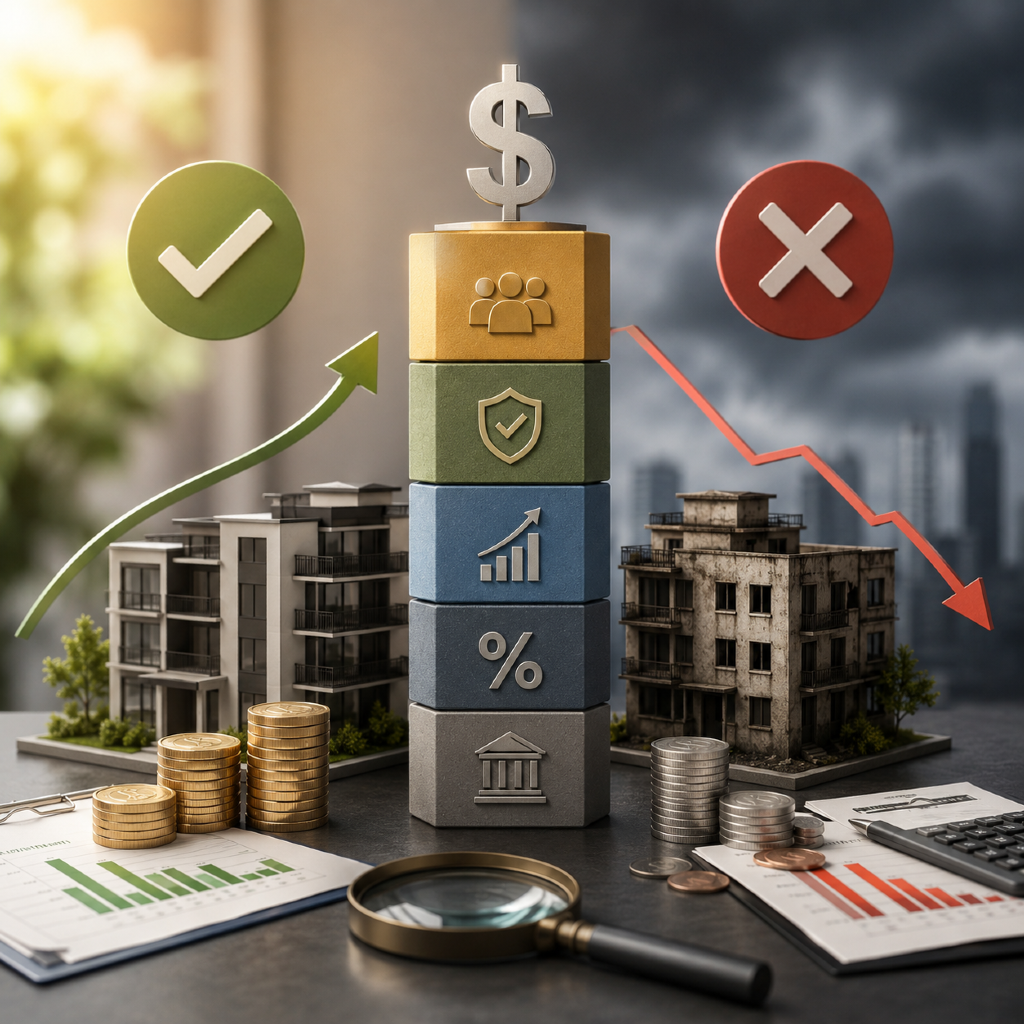
Draw schedules are only one element of a broader risk management framework. You can also utilize performance bonds, escrow arrangements, and payment retainage to further protect capital. Title insurance, builder’s risk insurance, and careful project management oversight all contribute to reducing exposure.
Combining strategies for protection
For maximum protection, consider combining draw schedules with other financial controls and independent oversight. Use regular auditing, hire qualified inspectors, and structure contracts to reinforce accountability at every stage. No single tool is foolproof, but a layered approach provides the most comprehensive risk mitigation strategy.