

Key Takeaways
- Following 2026 habitability standards protects both agents and clients by reducing liability and enhancing trust.
- Systematic checks, disclosure, and ongoing education are critical for real estate professionals to remain compliant.
As a real estate professional in 2026, you face updated habitability standards that directly impact your role and your clients’ well-being. Understanding and properly implementing these standards is essential—not just for compliance, but also for protecting your reputation and limiting liability. Here’s what you need to know and do to stay ahead.
What Are 2026 Habitability Standards?
Definitions and legal basics
Habitability standards are the minimum conditions that a property must meet to be considered livable. These standards ensure that homes meet basic safety, health, and structural needs, such as having adequate heating, safe drinking water, functional plumbing, and sound construction. By 2026, these requirements reflect evolving laws at both the local and federal levels. They protect tenants and buyers while outlining clear agent responsibilities in the property transaction process.
Common updates for 2026
Over the past year, agencies have further refined standards, adding clarity to areas like environmental hazards, accessibility, energy efficiency, and indoor air quality. By 2026, many jurisdictions require carbon monoxide and smoke detectors, modern lead paint disclosures, and higher insulation ratings. As an agent, familiarize yourself with these updates since penalties for non-compliance have increased.
Why Do Habitability Standards Matter?
Impact on client safety and trust
Habitability standards serve as a direct safeguard for your clients’ health and well-being. Properties that do not meet these criteria can expose occupants to potential danger, resulting in client dissatisfaction and decreased trust in the transaction process.
Role in agent-client relationships
Complying with habitability rules isn’t just about following the law—it’s about earning and maintaining long-term client confidence. Your ability to demonstrate knowledge and proactive compliance reassures clients, setting you apart as a trustworthy, process-driven professional.
Step 1: Review Key 2026 Regulations
Local and federal guidelines
Stay updated on all relevant regulations affecting the markets where you operate. National rules set baseline standards, but city or state guidelines often include additional requirements—such as energy codes or unique plumbing, mold, or pest provisions. Make it a habit to check your state real estate commission and local housing authority sites for the latest requirements.
Staying current with standards
Consider subscribing to industry newsletters, joining local real estate boards, and attending annual compliance workshops. Designate regular times throughout the year to review updates, and don’t hesitate to consult with qualified housing compliance experts.
Step 2: Conduct Property Habitability Checks
Checklist for agents
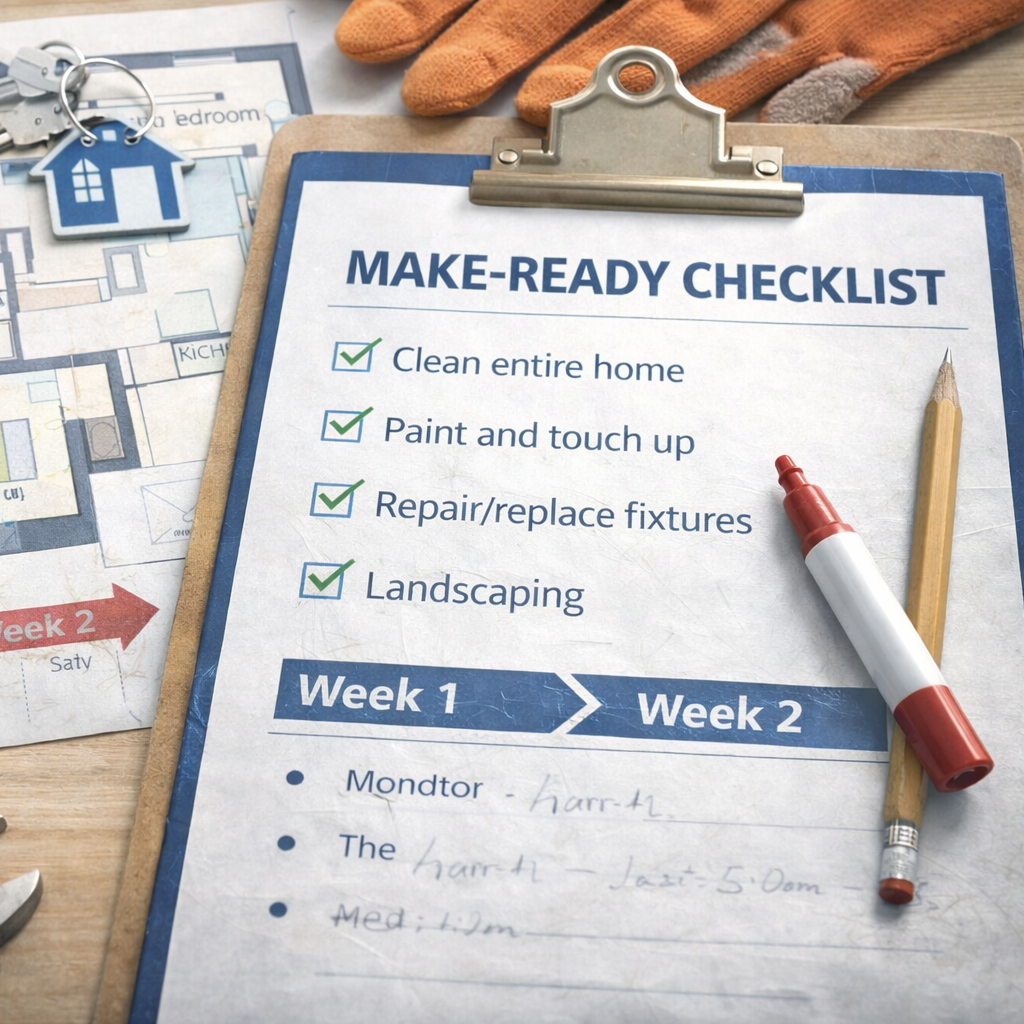
Create a standardized checklist that covers all required 2026 habitability elements. Key items should include:
- Safe entry and exit routes
- Secure locks and windows
- Working smoke and carbon monoxide detectors
- Adequate plumbing and sanitation
- Sufficient heating, cooling, and insulation
- Evidence of electrical system safety
This proactive step demonstrates diligence and helps reduce risk of oversight.
Working with inspectors
Partner with certified home inspectors whose practices align with 2026 guidelines. Clearly communicate to your client that while inspectors identify physical issues, it’s your responsibility to ensure known compliance factors are disclosed and addressed before closing.
Step 3: Document and Disclose Property Conditions
Best practices for recordkeeping
Maintain comprehensive records of all property checks, communications, and compliance-related actions. This includes checklists, inspection reports, repair invoices, disclosures, and any correspondence with clients regarding safety or compliance issues. Organized documentation helps demonstrate your diligence in the event of a future dispute.
Disclosure requirements
Disclose all known issues that may affect a property’s habitability or legal compliance—even if the issues are in the process of being remedied. Clearly state the presence of environmental, structural, or code concerns. Use standardized disclosure forms as required by your state to ensure you meet legal obligations.
Step 4: Advise Clients Without Overstepping
Maintaining educational boundaries
Your role is to educate and inform clients about their options and risks—not to offer legal, tax, or construction advice unless licensed to do so. Avoid making definitive statements outside your expertise; instead, direct clients to qualified professionals (such as licensed contractors, building inspectors, or attorneys) for technical or legal guidance.
Communicating risks and next steps
Be transparent and factual when discussing property conditions and compliance status. Outline points of concern, reference local standards, and provide resources for further evaluation or remediation. Approach the conversation as an advisor helping clients make informed decisions, rather than as a guarantor of outcomes.
How Can Agents Limit Liability?
Risk reduction strategies
Limit liability by following a clear, repeatable process. Use written checklists for all transactions, implement consistent documentation procedures, and prioritize full disclosure. Be proactive: address issues early, offer additional resources where appropriate, and set realistic expectations throughout the transaction.
Policies for agent protection
Adopt brokerage policies that support compliance, such as mandatory compliance training and document retention protocols. Carry errors and omissions insurance and ensure that your coverage specifically addresses habitability standard disputes. A robust policy framework can offer significant protection if a client later raises a concern.
Do Habitability Requirements Differ by State?
Understanding state-specific standards
Habitability laws vary significantly from state to state—and even from city to city. Some states follow broad federal guidelines, while others define much more specific requirements, especially for older homes or rental properties. It’s critical to understand what your particular market mandates.
Where to find official updates
Refer regularly to your state’s real estate commission, local housing authority, and official government websites. Many jurisdictions issue bulletins or newsletters detailing recent legal changes. Leverage these resources to stay up to date and ensure you never rely solely on outdated information.
What Happens If Standards Are Not Met?
Potential liabilities for agents
If a property fails to meet required habitability standards, agents risk exposure to client complaints, commission forfeiture, and even legal claims. Repeated or serious violations could lead to license suspension, regulatory fines, or costly litigation—especially if disclosure obligations have been neglected.
Client outcomes and dispute resolution
Clients may seek remedies ranging from contract cancellation to financial compensation or formal complaints to state agencies. When disputes arise, your documented efforts towards compliance and transparency are your best defense. Mediation or arbitration may resolve many disagreements, but your records and process will be central to any fair outcome.