
Key Takeaways
- Make-ready checklists and timelines lead to smoother, more efficient real estate preparation by providing structure and clarity.
- Effective use of these tools supports collaboration within teams and enables better alignment with client goals.
When preparing a property for market, staying organized is essential. Make-ready checklists and timelines offer simple, effective ways to manage preparation tasks, minimize surprises, and ensure each step is completed with care. Let’s explore how these resources can refine your process and strengthen your results.
What Are Make-Ready Checklists?
Definition and purpose
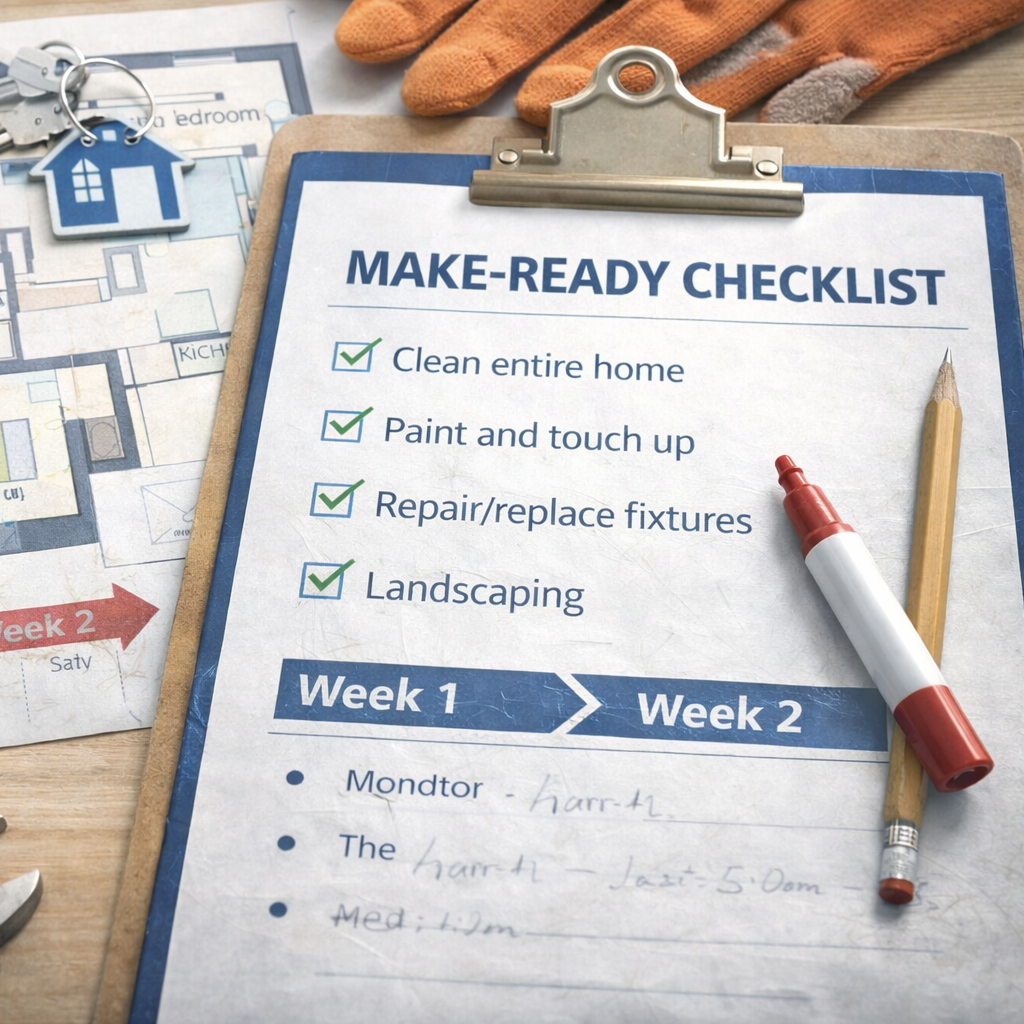
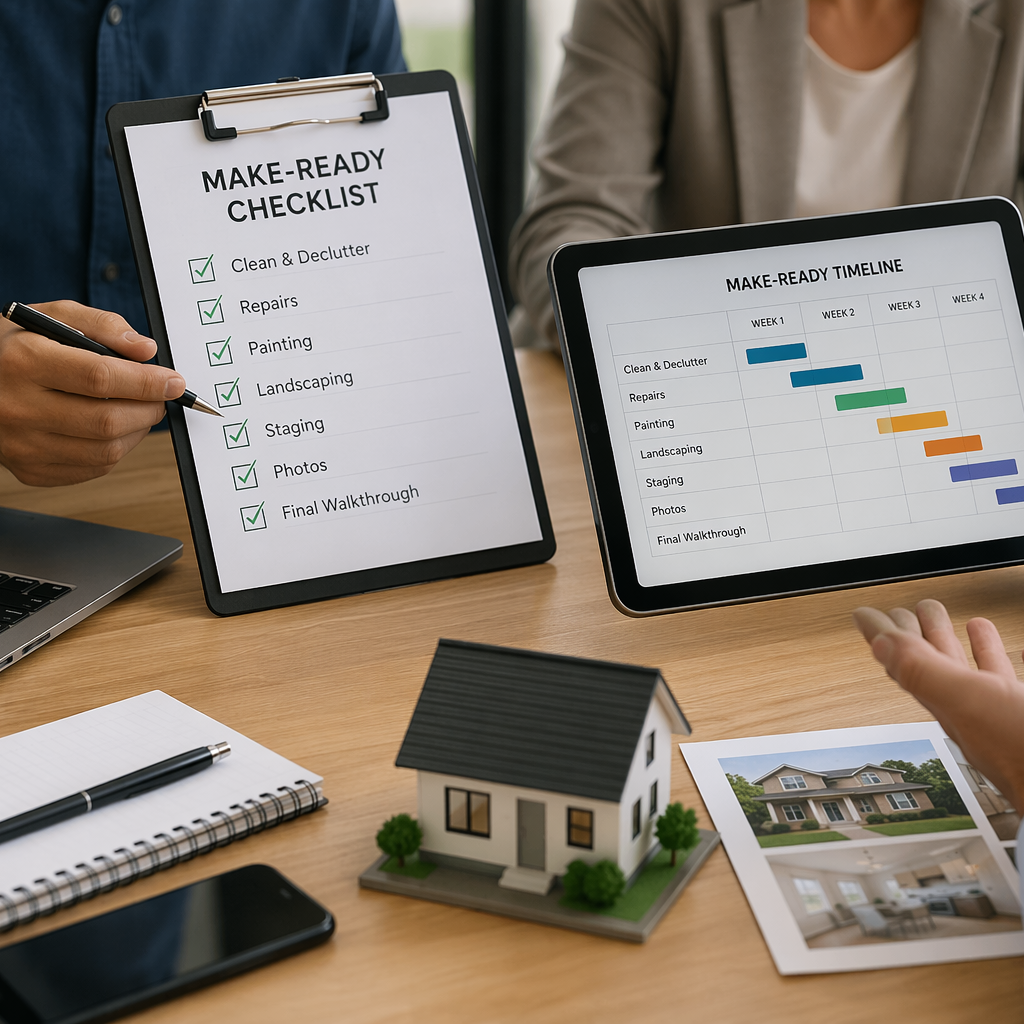
A make-ready checklist is a structured tool used to track all tasks required to prepare a property for sale or lease. The purpose is to create a clear plan, reduce the chance of missed items, and help everyone involved understand their roles. By laying out every step—from repairs to staging—these checklists help you deliver a ready-to-show property, on schedule and with fewer oversights.
Typical checklist items
Common items found on make-ready checklists include:
- General cleaning of interior and exterior spaces
- Touching up paint and repairing walls
- Servicing HVAC and major appliances
- Checking lights, locks, and plumbing fixtures
- Landscaping and curb appeal improvements
- Staging or decluttering rooms
- Safety inspections and smoke detector checks
- Final walk-throughs before listing
While the specific tasks vary, these fundamentals create the backbone of a reliable property preparation process.
How Do Timelines Support Property Preparation?
Sequencing preparation tasks
Timelines are schedules that outline when each make-ready task should happen. Sequencing is vital because many steps depend on others being completed first. For example, deep cleaning typically follows repairs, and staging occurs after cleaning. By mapping out these dependencies, you avoid backtracking and help each specialist or vendor stay on task.
Aligning schedules with client goals
Well-crafted timelines also help align the preparation process with your client’s target listing date. By understanding priorities—such as a short turnaround or extended preparation for high-value properties—you can set realistic expectations. If delays do arise, you’re equipped to communicate quickly and make timely adjustments.
Why Use These Tools in Real Estate?
Benefits for agents and teams
For real estate professionals, make-ready checklists and timelines bring three main advantages:
- Fewer missed steps or details, especially on complex properties
- Easier delegation and role assignment across agents and team members
- Increased consistency and reliability from one listing to the next
Teams benefit from repeating proven processes, while individual agents gain peace of mind knowing nothing has been overlooked.
Supporting client communication
Clients appreciate transparency. Sharing your make-ready checklist and timeline demonstrates organization and assures them that their property is in capable hands. Upfront communication is especially valuable when justifying preparation costs, explaining necessary delays, or comparing ready-to-list dates.
What Should Be Included in a Make-Ready Checklist?
Key elements for effective checklists
A practical checklist will cover these core elements:
- Exterior inspection (roof, gutters, siding, landscaping)
- Interior assessment (walls, floors, lighting, HVAC)
- Repairs and maintenance (noted individually)
- Cleaning (common and high-touch areas)
- Staging and décor recommendations
- Utility checks and meter readings
- Final review and sign-off section
Keeping the list concise but thorough makes it easier to follow and less likely to leave out important tasks.
Customizing by property type
Different properties require adjusted checklists. For example:
- Multi-family units may need entryway and shared-space focus
- Older properties may warrant additional safety and compliance checks
- Luxury homes can require detailed staging and landscaping
- Commercial spaces may add signage and parking area preparation
Adapting the checklist to property characteristics prevents unnecessary steps or costly oversights.
How Can Agents Adapt Timelines for Clients?
Factors influencing preparation duration
Not all make-ready timelines are equal. Considerations include:
- Size and age of the property
- Extent of repairs needed
- Vendor or contractor availability
- Desired level of staging or upgrades
Working with trusted contractors and keeping contingency days in your planning helps you manage these variables more effectively.
Communicating timelines clearly
Clear communication is essential for trust. Share detailed timelines with your clients and update them if anything changes. A visual calendar, whether digital or paper, can help clients see milestones at a glance and better understand next steps.
Is There an Ideal Sequence of Preparation Tasks?
Common sequencing pitfalls
Common mistakes in sequencing include starting staging before cleaning or scheduling painters before repairs are addressed. Overlapping tasks can slow progress and increase the risk of miscommunication—especially when multiple vendors are involved.
Tips for smooth transitions between steps
To avoid bottlenecks:
- Build small buffers between dependent tasks
- Verify completion of each phase before moving forward
- Assign a coordinator to oversee transitions (often, this is the listing agent or a dedicated team member)
- Use regular check-ins to keep everyone on track
Small adjustments at the planning stage can prevent delays and reduce stress for everyone involved.
How Do Checklists Improve Team Collaboration?
Role assignment and accountability
Checklists help clarify who is responsible for each make-ready item. Assigning roles—for example, designating someone to schedule cleaners or oversee minor repairs—makes accountability clear. This division of labor reduces overlap and ensures that no task is left to chance.
Tracking progress collectively
Whether you use digital tools or physical boards, tracking checklist progress as a team keeps everyone motivated and focused. Real-time updates allow for prompt adjustments if issues arise. This visibility builds trust throughout the team and provides tangible evidence of the work completed for both clients and management.