

Key Takeaways
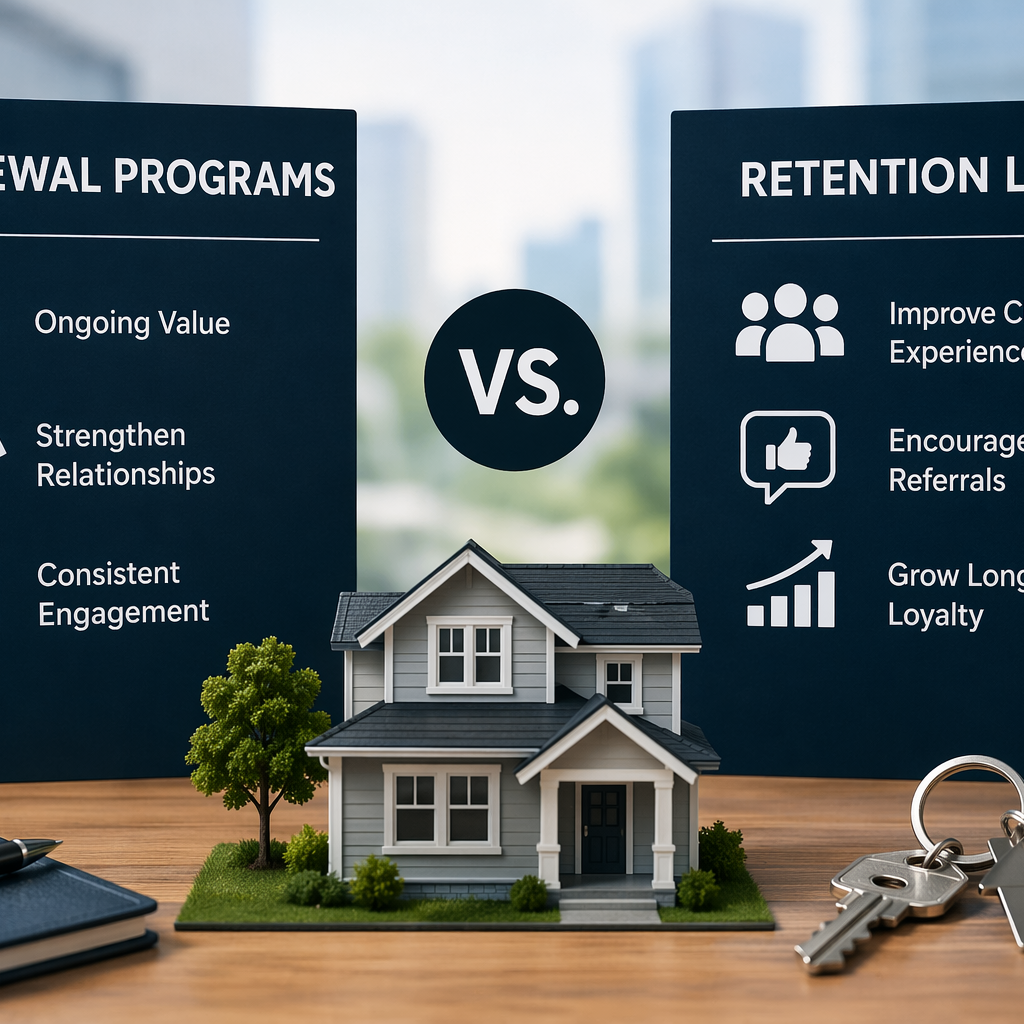
- Renewal programs and retention lifts offer distinct frameworks for keeping clients loyal and engaged in real estate.
- Understanding each strategy’s benefits and challenges will help you adapt your retention approach to your business model.
Retaining clients is often more cost-effective and impactful than focusing solely on acquiring new ones. In real estate, two leading approaches—renewal programs and retention lifts—address this need. Understanding these strategies allows you to optimize your service, deepen client loyalty, and improve business outcomes.
What Are Renewal Programs?
Core elements of renewal programs
Renewal programs are structured initiatives that encourage previous clients to stay engaged with your real estate business. At their core, these programs blend consistent communication, timely outreach, and tangible value adds. Common elements include regular market updates, anniversary check-ins, informational newsletters, or exclusive invitations to events. The primary goal is to remain top of mind and position yourself as a valuable long-term resource.
A renewal program isn’t simply about sending holiday cards or occasional check-ins. It’s a planned series of touchpoints designed to provide ongoing education, property insights, and service value. By delivering relevant content and demonstrating commitment, you signal to clients that their relationship with you does not end at closing.
How renewal programs work in real estate
In the real estate setting, renewal programs help bridge the gap between past and future transactions. For example, after a successful closing, you might enroll your client into an annual property valuation update. You could also provide home maintenance reminders or alerts about local market trends. These interactions reinforce your expertise and make it easy for past clients to reach out when a new need arises.
Some agents automate aspects of their renewal programs using customer relationship management (CRM) tools. Personalization is crucial—tailoring communication to each client’s preferences and property type helps ensure on-going relevance and value.
What Is a Retention Lift?
Defining retention lift in context
Retention lift measures the increase in clients who continue using your services, compared to a previous period or baseline. In real estate, it refers to the improvement in repeat business or returning clients after implementing new retention-focused actions. It’s a way to quantify how effective your engagement strategies are at keeping clients loyal over time.
Think of retention lift as the outcome you achieve when your efforts result in more clients returning for future transactions. It’s a key metric that helps you evaluate whether your renewal program—or any retention initiative—is paying off.
Ways agents measure retention lift
To calculate retention lift, compare the percentage of repeat clients after you implement a new program, campaign, or touchpoint against your historical retention rate. For instance, if your typical rate of repeat transactions is 10% and, after launching a series of post-closing check-ins, it rises to 15%, you’ve achieved a 5% retention lift.
Agents track this by maintaining careful client records and monitoring transaction sources in their CRM. Some also survey past clients to gauge satisfaction and intent to work together again, deepening the data behind their retention rates.
How Do These Strategies Improve Loyalty?
Client engagement techniques
Both approaches rely on consistent, meaningful engagement. For renewal programs, this might mean quarterly check-ins about market value or offering seasonal home care advice. It’s about anticipating client needs and addressing them proactively.
Retention lift, as a measure, rewards those who increase the frequency and effectiveness of these touchpoints. Techniques like exclusive market insight sessions, appreciation events, and timely responses to inquiry help build a sense of connection.
Building long-term relationships
Lasting loyalty comes from positioning yourself as a trusted guide. Whether you use a formal program or focus on boosting your overall retention metrics, prioritize transparency and accessibility. Offer value beyond transactions, such as introducing clients to reputable service providers or gearing content toward their personal interests—like neighborhood amenities for young families or downsizing tips for empty nesters.
Your commitment to attentive service and education fosters trust, making it easier for clients to return to you or refer friends.
Key Differences Between the Approaches
Program structure comparison
Renewal programs are typically more structured, with defined steps and scheduled interactions. They often include automated emails, scheduled check-ins, or mailed updates. The intention is to keep your brand present in clients’ minds, regardless of where they are in the homeownership cycle.
In contrast, retention lift is not a program itself—it’s a metric. While renewal programs are one way to drive retention lift, you might also increase it with ad hoc strategies, like personalized follow-up or implementing feedback surveys. Retention lift encourages a results-driven mindset that adapts as client behavior shifts.
Impact on client experience
A well-executed renewal program offers predictability and consistent touchpoints, but it risks feeling generic if not carefully personalized. Retention lift measures shine a spotlight on outcomes, leading you to tailor or refine tactics to what resonates most with your market.
Blending both—the structure of renewal programs with the evaluative lens of retention lift—can deliver a thoughtful, responsive client experience.
What Are the Benefits and Challenges?
Advantages of each strategy
Renewal programs:
- Keep you visible and available to past clients.
- Reduce the risk of clients forgetting your value or selecting another agent for future needs.
- Build credibility through education and ongoing support.
Retention lift measurement:
- Allows you to prove the effectiveness of your ongoing efforts.
- Identifies which strategies deliver the most client loyalty.
- Aids in resource allocation for what truly moves the needle.
Possible limitations to consider
Renewal programs require consistency and may become stale if not refreshed. There’s also the risk of clients feeling overwhelmed by generic or too frequent messaging.
Measuring retention lift can be tricky, especially with long sales cycles and incomplete data. Attribution—understanding exactly why a client returned—may not always be clear, making it vital to gather feedback and combine metric tracking with real conversations.
Which Strategy Suits Your Business Model?
Factors for evaluating fit
Consider the makeup of your client base: If your market consists mostly of repeat buyers or investors, a formal renewal program may offer predictable value. For agents with diverse clients, focusing on retention lift can help tailor outreach to changing needs.
Review your team’s capacity—structured programs require both planning and follow-through. If you value agility, regularly measuring and responding to retention lift may fit better.
Implementation considerations
Start with your available resources and desired client experience. You might pilot a lightweight renewal program—like biannual check-ins—and track your retention lift alongside other metrics. Collaboration with your team ensures no steps are missed, and automation tools can lighten the load.
Constantly solicit client feedback to improve your approach. Adjust frequency and type of contact based on how clients respond, blending both structure and results focus as your business evolves.
Can Retention Strategies Enhance Referrals?
Link between satisfaction and advocacy
When clients feel valued, supported, and understood, they’re more likely to recommend your services to friends or colleagues. Both renewal programs and concerted retention efforts reinforce this satisfaction, boosting their willingness to act as advocates.
Measuring client satisfaction through surveys or reviews gives you insights on where you excel and where to improve. Satisfied clients often become vocal supporters in their networks.
Encouraging organic referrals
To promote genuine referrals, offer consistent value and demonstrate appreciation. Share useful content your clients can pass along or celebrate their milestones on social media with permission. Encourage feedback—happy clients are usually eager to share their positive experiences when asked respectfully.
Retention strategies lay the groundwork for advocacy, helping transform loyal clients into active promoters of your business.