
Key Takeaways
- Proactive preparation and clear documentation can help agents navigate and rebut common appraisal challenges.
- Effective communication and factual evidence are essential for successful appraisal rebuttals and stronger future transactions.
Appraisals are a crucial step in every real estate transaction, yet they don’t always reflect what agents or clients expect. Learning to recognize common appraisal challenges—and knowing how to respond—can help you steer transactions smoothly and advocate for fair property valuations.
What Are the Most Common Appraisal Challenges?
Appraisals can present obstacles for even the most experienced agents. Two areas in particular often create headaches: how the local market behaves and the property’s unique attributes.
Market volatility factors
Real estate markets change fast. Fluctuating sale prices, low inventory, or sudden market corrections can all influence appraised values. For example, if the market shifts dramatically between contract and appraisal, recent comparable sales (or “comps”) may no longer reflect current demand. Higher interest rates, changing buyer preferences, and seasonal slowdowns can also skew expectations.
As an agent, being aware of these variables can help you set realistic pricing and prepare your clients for potential challenges. Staying current with neighborhood stats and monitoring trends ensures you’re ready to address volatility head-on.
Unique property characteristics
Some homes just don’t fit the norm. Unusual layouts, extensive upgrades, or custom features can make standard appraisals difficult. While these details might add market value, they’re not always reflected when there aren’t obvious comps in the area.
Agents must recognize which features set a property apart and be ready to explain their impact to the appraiser. Documenting improvements or unique attributes provides valuable context that pure data might miss.
Why Do Appraisals Sometimes Fall Short?
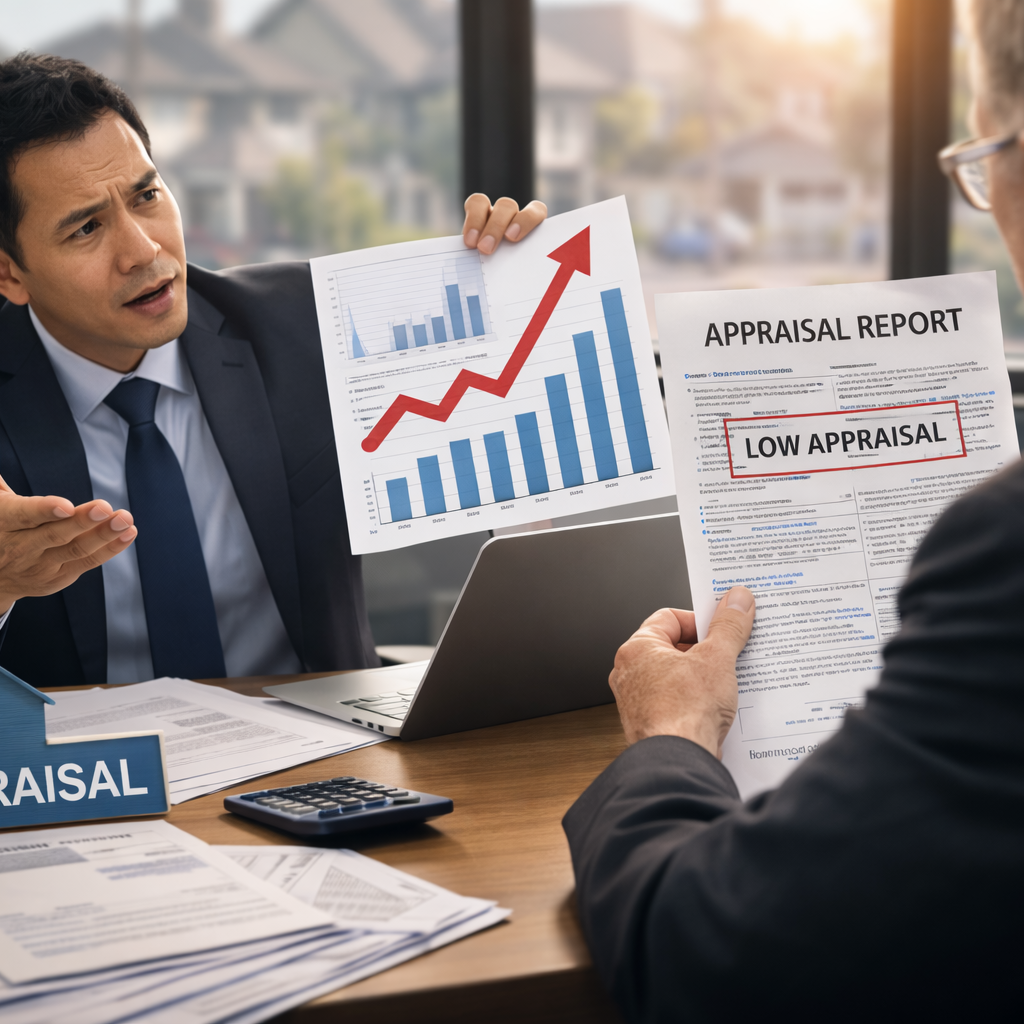
When an appraisal comes in below contract price, the results can be frustrating. Understanding the “why” helps agents focus their response and build a strong case for review or rebuttal.
Misaligned comparable properties
Appraisers typically use recent sales of comparable properties to estimate value. If these comps aren’t a true match—due to location, size, age, or recent renovations—the result can understate a home’s true worth.
As an agent, reviewing the chosen comps is important. Were similar properties selected? Are there more fitting alternatives in the market? If you find mismatches, you’ll want to highlight them in your response.
Appraiser unfamiliarity with local market
Out-of-area appraisers or those new to a neighborhood might miss subtle yet important differences between properties. This lack of local insight can lead to conservative or inconsistent estimations.
You can help bridge this gap by providing hyper-local market data or insights on recent neighborhood sales. Offering information on school zones, amenities, or buyer preferences can strengthen the case for a revised valuation.
How Can Agents Prepare for Appraisal Issues?
Solid preparation reduces the chance of surprises—and gives you leverage if values come in low. Here are two key prep steps:
Collecting relevant documentation
Gather evidence that supports your pricing strategy. This includes details on upgrades, maintenance logs, receipts, and permits for recent work. Before the appraisal, prepare a package of documents to help the appraiser see the full picture. Including a well-organized “agent packet” with comps, recent pending sales, and market stats provides valuable context without overwhelming the review process.
Highlighting recent upgrades
Upgrades don’t always show up in public records quickly, which means the appraiser could overlook their impact. Be proactive: prepare a concise list of improvements, noting dates and costs. High-value updates—kitchens, baths, HVAC, roofing, or energy efficiency enhancements—should be front and center.
Clear, factual highlighting of these updates ensures they receive the attention they deserve during the appraisal process.
Steps to Effectively Rebut an Appraisal
Successfully disputing a low or inaccurate appraisal hinges on following a focused, evidence-based process. Here’s how to approach it:
Step 1: Review appraisal report
Begin by reading the entire report. Look carefully for errors, missed details, or unaddressed upgrades. Double-check all data: square footage, amenities, and especially the selection of comparable homes. Make note of any inconsistencies or omissions that could be impacting the result.
Step 2: Gather supporting evidence
Collect proof that supports your claim. This might include:
- Recent comps more similar than those used in the report
- Documentation of upgrades or renovations not factored in
- Neighborhood data showing market momentum
Focus only on facts—never make it personal or speculative.
Step 3: Draft clear rebuttal statement
Prepare a professional, concise letter outlining points of disagreement. Clearly reference items from the appraisal report and attach your supporting documents. Be respectful and factual throughout, focusing on the property and market evidence—not opinions.
Step 4: Submit professional response
Send your rebuttal to the appropriate parties, following local or lender-specific protocols. Maintain copies of everything and keep your client updated on next steps. Patience is important—the review process can take time.
What Makes a Strong Appraisal Rebuttal?
Not every challenge leads to a higher value, but certain practices increase your chances of a successful reconsideration.
Clarity and factual evidence
Successful rebuttals are built on precision and proof. Avoid vague language or emotional appeals. Use specific comps, receipts, and third-party documentation to reinforce your claims. The more organized your submission, the easier it will be for the appraiser or underwriter to reassess the value objectively.
Respectful and neutral communication
Professionalism is your best asset. Tone matters—avoid blaming or accusing language. Stay solution-focused and present information neutrally. This approach shows you’re committed to a fair process, not just seeking a higher price.
Proactive Strategies for Future Transactions
Building good habits and relationships can make appraisals smoother in the long run. Consider these two proactive strategies:
Building relationships with appraisers
When possible, introduce yourself to active appraisers in your area. Sharing local knowledge and market updates keeps everyone informed and encourages better communication. Clear, respectful interactions create a foundation for more consistent, accurate valuations over time.
Maintaining comprehensive property records
Keep detailed files for all your listings—not just for the current transaction, but for future reference as well. Include upgrade histories, maintenance logs, inspection results, and past appraisals. Organized records speed up the process and show appraisers that every detail has been considered.
Staying proactive, informed, and respectful empowers you to tackle appraisal challenges with confidence and credibility.