
Key Takeaways
- Make-ready checklists and preparation timelines provide structure, transparency, and accountability for both agents and clients during property preparation.
- Standardized tools boost efficiency, reduce missed steps, support collaboration, and enable clear communication throughout the real estate process.
Preparing a property for sale or lease requires coordination, careful planning, and attention to detail. Make-ready checklists and timelines have become vital tools for real estate professionals, offering a framework to manage tasks, communicate with clients, and support seamless teamwork from start to finish.
What Are Make-Ready Checklists?
Definition and purpose
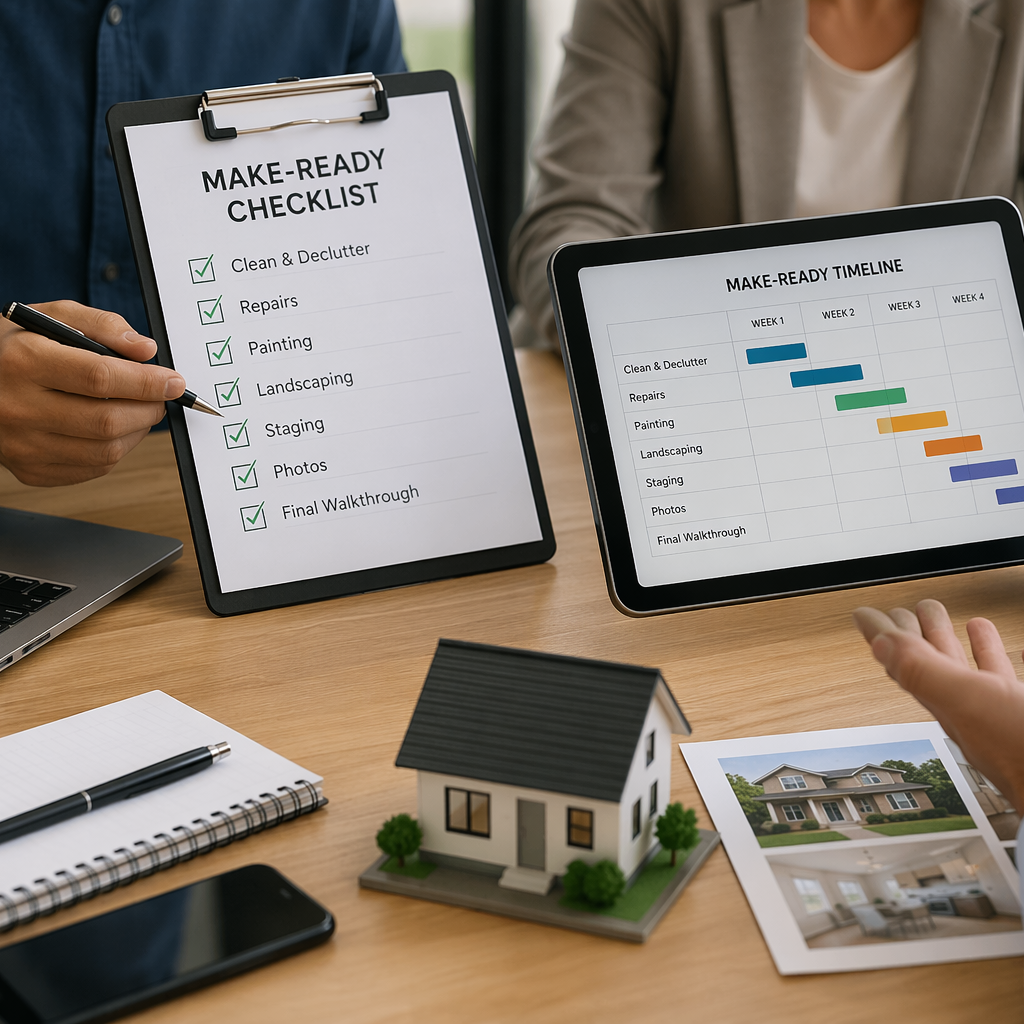
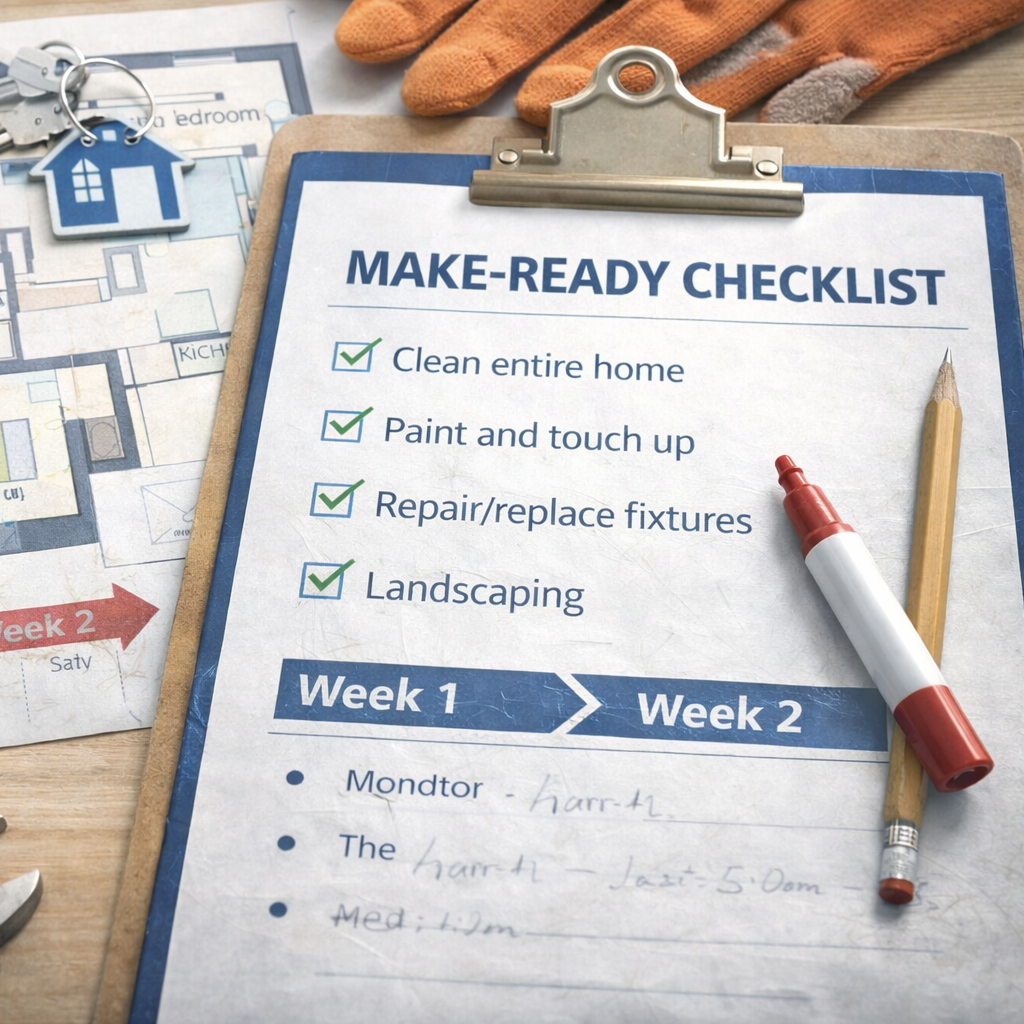
A make-ready checklist is a structured, itemized guide detailing all steps needed to prepare a property for the market. Whether you’re focusing on a single-family home, a multi-unit building, or commercial space, these checklists break down the process into clear action items. Their main purpose is to ensure nothing is missed, help agents assign responsibility, and serve as reference points for owners and other stakeholders.
Typical checklist items
A typical make-ready checklist covers essential touchpoints such as:
- Cleaning (interior and exterior)
- Repairs to walls, flooring, plumbing, or electrical systems
- Touch-up painting and minor updates
- Landscaping and curb appeal improvements
- Staging or decluttering
- Replacing light bulbs and smoke detector batteries
- Documenting appliance conditions
- Checking safety equipment
These checklists can be as broad or detailed as needed but always provide a roadmap for comprehensive property readiness.
How Do Timelines Support Property Preparation?
Sequencing preparation tasks
A well-designed timeline sequences each task logically, avoiding bottlenecks and delays. For example, major repairs might come before painting, and both should precede cleaning and staging. Laying it out step-by-step allows everyone—vendors, team members, and clients—to see dependencies and know when their input or approval is due.
Aligning schedules with client goals
A timeline connects preparation steps directly to client priorities, such as a target listing date or time-to-market goal. By mapping out tasks, agents can forecast potential delays, adapt proactively, and keep everyone on the same page about expectations and progress.
Why Use These Tools in Real Estate?
Benefits for agents and teams
Checklists and timelines save time and minimize risk of oversight. For busy agent teams, they:
- Distribute work fairly and transparently
- Boost accountability by clarifying who is responsible for what
- Make handoffs between cleaning, repairs, and staging seamless
- Support faster onboarding and training for new team members
All of this leads to higher-quality service and a more consistent process, without relying on memory or last-minute stress.
Supporting client communication
Clients want to feel informed and confident during preparation. Checklists and timelines serve as visual references you can share during meetings or via updates. This transparency helps set realistic expectations, keeps clients engaged, and supports trust by showing the process is thorough and organized.
What Should Be Included in a Make-Ready Checklist?
Key elements for effective checklists
An effective checklist breaks down tasks into actionable, measurable steps. Essential elements include:
- Detailed task descriptions (e.g., “scrub grout in master bathroom”)
- Responsibility assignment (who is completing the task)
- Space for target and actual completion dates
- Notes section for special instructions, obstacles, or follow-ups
- Progress tracking (checkboxes or digital status fields)
The aim is clarity—every person involved should quickly grasp what’s needed and when.
Customizing by property type
No two properties are exactly alike. Consider tailoring checklists for different types:
- Single-family residences: Focus on curb appeal, deep cleaning, and staging key rooms.
- Multi-unit properties: Emphasize common areas, signage, and unit-by-unit customization.
- Commercial space: Highlight code compliance checks, accessibility, and utility function.
Customization helps address unique needs while maintaining the utility of a checklist structure.
How Can Agents Adapt Timelines for Clients?
Factors influencing preparation duration
Several factors can alter how long property preparation takes, such as:
- Property age and condition
- Seasonal weather constraints
- Vendor availability
- Scope of required repairs or updates
- Tenant occupancy or move-out deadlines
Agents should assess these during planning to create timelines that reflect realistic durations rather than generic estimates.
Communicating timelines clearly
Clear, proactive communication ensures clients understand each phase and any shifting deadlines. Best practices include:
- Presenting the timeline visually (chart, calendar, or digital project tool)
- Discussing which tasks might be flexible versus fixed
- Notifying clients promptly if a step takes longer than expected
Maintaining this clarity keeps everyone aligned and helps manage expectations throughout the prep period.
Is There an Ideal Sequence of Preparation Tasks?
Common sequencing pitfalls
Pitfalls often arise from out-of-order tasks. For example, cleaning before repairs can mean redoing work. Staging before major updates creates friction if furniture needs to be moved again. Misaligned task orders often lead to delays, confusion, and duplicate effort.
Tips for smooth transitions between steps
To maintain smooth progress:
- Review the property and create a prep order before starting
- Reserve suppliers or vendors in advance
- Allow buffer time between interdependent tasks
- Regularly update the checklist and timeline as tasks are completed
This approach minimizes stress and ensures logical handoffs between each preparation phase.
How Do Checklists Improve Team Collaboration?
Role assignment and accountability
By assigning tasks to specific individuals or service providers on the checklist, everyone knows their responsibilities. This level of transparency improves reliability and reduces the chance of steps being skipped or duplicated.
Tracking progress collectively
When progress is visible to the entire team—whether on a shared digital platform or printed in a common space—accountability grows. It also empowers managers to quickly spot delays, provide support, and celebrate milestone completions together. Collective tracking promotes a culture of shared ownership and pride in a job well done.
FAQ: Common Questions About Make-Ready Processes
How often should checklists be updated?
Checklists should be reviewed and adjusted after each property prep cycle or when process gaps appear. Regular updates keep them current and effective.
Are digital checklists more effective than paper?
Digital checklists offer easier collaboration, real-time updates, and better tracking for teams—especially those working remotely. However, paper versions can work well for smaller teams or on-site use if updated diligently.
How to handle unexpected delays in timelines?
Address delays by alerting all stakeholders, adjusting schedules promptly, and documenting the reasons. Build in contingency time and keep communication transparent to manage expectations and build trust.