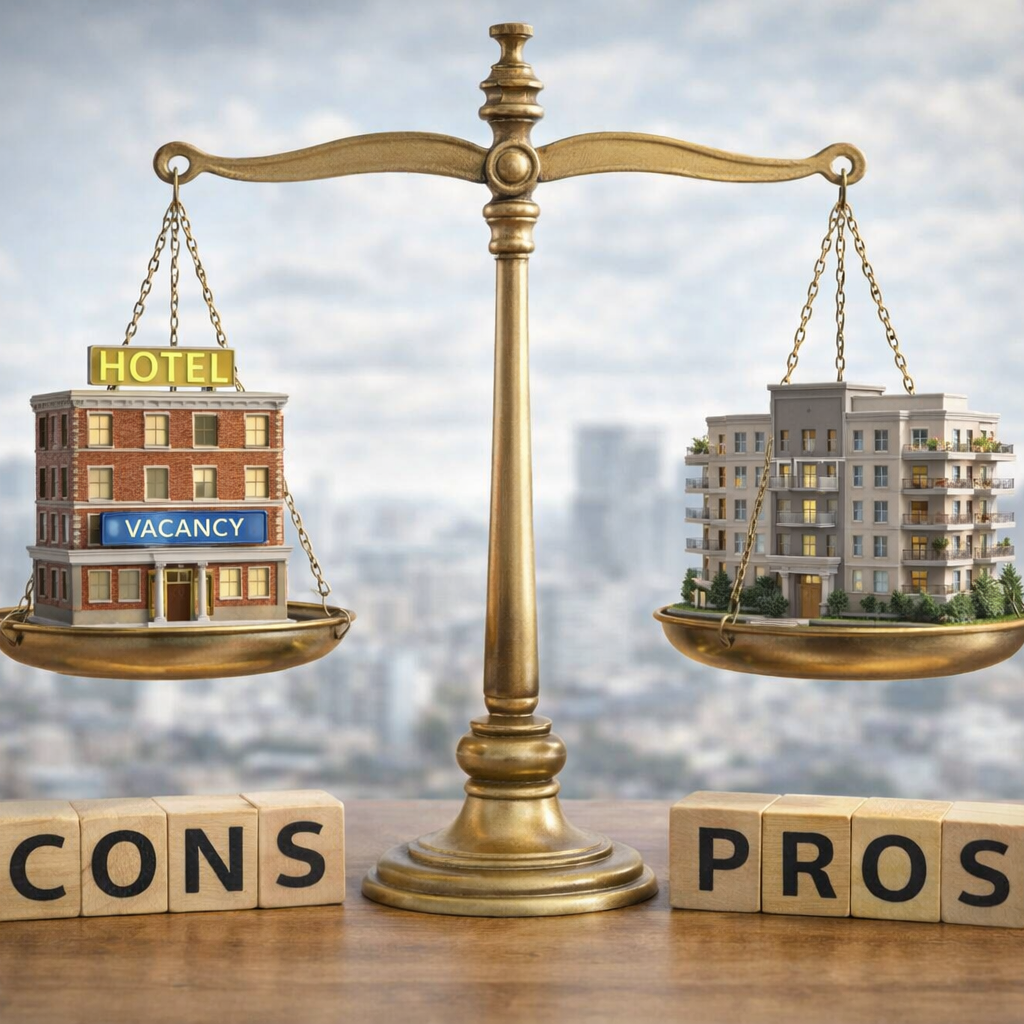

Weighing the Pros & Cons of Hotel-to-Multifamily Conversions in 2026
Key Takeaways
- Hotel-to-multifamily conversions present an appealing, but complex, option for addressing rental housing demand in 2026.
- Understanding market trends, project challenges, and property criteria is key to making well-informed investment decisions.
With rental housing in high demand, many in the real estate industry are exploring hotel-to-multifamily conversions as a path to adapt underused spaces and deliver new value. In 2026, understanding both the promise and the pitfalls of these projects is essential for professionals aiming to lead in this space.
What Are Hotel-to-Multifamily Conversions?
Definition and basic concept
Hotel-to-multifamily conversion refers to the process of transforming existing hotel properties into apartments or multifamily housing units. The core idea is to repurpose buildings originally designed for temporary guests so they can serve the ongoing needs of residents. This usually involves renovating hotel rooms to meet local building codes for dwellings and often includes adding kitchens, reconfiguring spaces, and upgrading common areas to suit permanent tenants.
Recent trends in conversions
Over recent years, especially following the volatility in travel and hospitality, more hotel owners and real estate professionals have considered conversions as a way to meet shifting market demands. The growing need for affordable rental housing and a supply of hotels with outdated business models have accelerated this trend. In 2026, these conversions have matured into mainstream projects in many urban and suburban markets.
Why Consider Converting Hotels in 2026?
Market drivers in 2026
Several factors are pushing this conversion trend forward. Continued fluctuations in the hospitality sector, rising construction costs for new builds, and a shortage of available housing are major drivers. Policy changes and local incentives often play a role, encouraging developers to adopt adaptive reuse strategies instead of breaking ground on new developments.
Demand and supply dynamics
Demand for rental housing remains high in many regions, while there are still hotels—especially older or underperforming ones—struggling to reach pre-pandemic occupancy levels. These supply imbalances provide both the motivation and the inventory needed for conversion projects. You may notice that areas with strong job growth or increasing population tend to see the greatest momentum for these projects.
What Are the Main Benefits?
Potential investment returns
One of the most significant draws for real estate professionals and investors is the potential for attractive returns. Acquiring and converting a hotel can sometimes be less costly than building new multifamily housing from scratch, thanks to existing structures, parking, and site infrastructure. Successful projects can deliver steady income streams and asset appreciation, especially in markets with ongoing rental demand and limited new supply.
Community impact and revitalization
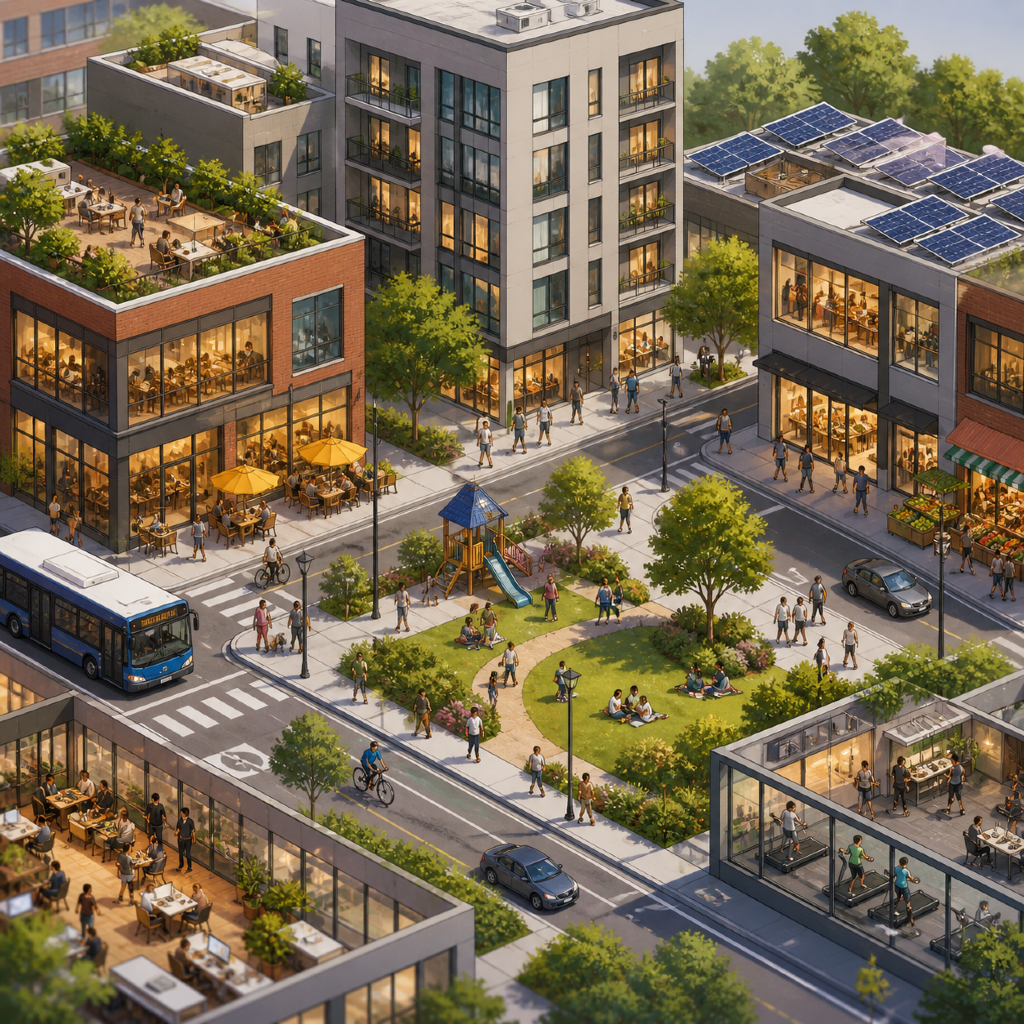
These conversions can play a positive role in neighborhood revitalization. By breathing new life into underused hotel properties, projects often help reduce blight, support local business, and expand the rental housing supply. They can also bring additional residents to walkable districts, fostering a stronger community presence and economic activity.
What Are the Key Challenges?
Zoning and regulatory issues
Navigating the zoning landscape remains a primary hurdle. Hotels and residential properties typically fall under different zoning categories, and converting between them can require rounds of negotiation with planning officials. You may need to address parking minimums, density caps, and local permitting processes. Updates to fire safety systems, accessibility features, and compliance with fair housing laws are also routine requirements.
Building suitability and costs
Not all hotels are good candidates for conversion. Successful adaptive reuse depends on the building’s layout, size, and condition. Hotels designed for short-term stays often lack kitchens, have smaller bathrooms, or offer layouts that don’t translate easily to apartment living. Retrofitting can uncover hidden costs related to plumbing, structural upgrades, or the need to improve acoustics and insulation. These unexpected expenses can sharply impact your project’s feasibility.
How Do Conversions Affect Local Markets?
Rental housing supply implications
In markets with constrained rental options, hotel conversions can quickly add much-needed inventory. They help relieve pressure on existing rental housing, potentially stabilizing rents and making units available to a broader range of tenants. However, the total impact depends on the number of conversions completed and overall population growth in the area.
Effects on hotel and multifamily sectors
Widespread conversions can change the profile of both local hotel and apartment markets. For hotels, ongoing conversions mean fewer available rooms, which might support occupancy and daily rates for the remaining hospitality properties. For the multifamily sector, new supply could temporarily increase competition, but may also balance landlord and tenant dynamics by reducing shortages. Monitoring these trends helps you remain adaptive and well-informed in your own markets.
Which Properties Are Best for Conversion?
Site selection criteria
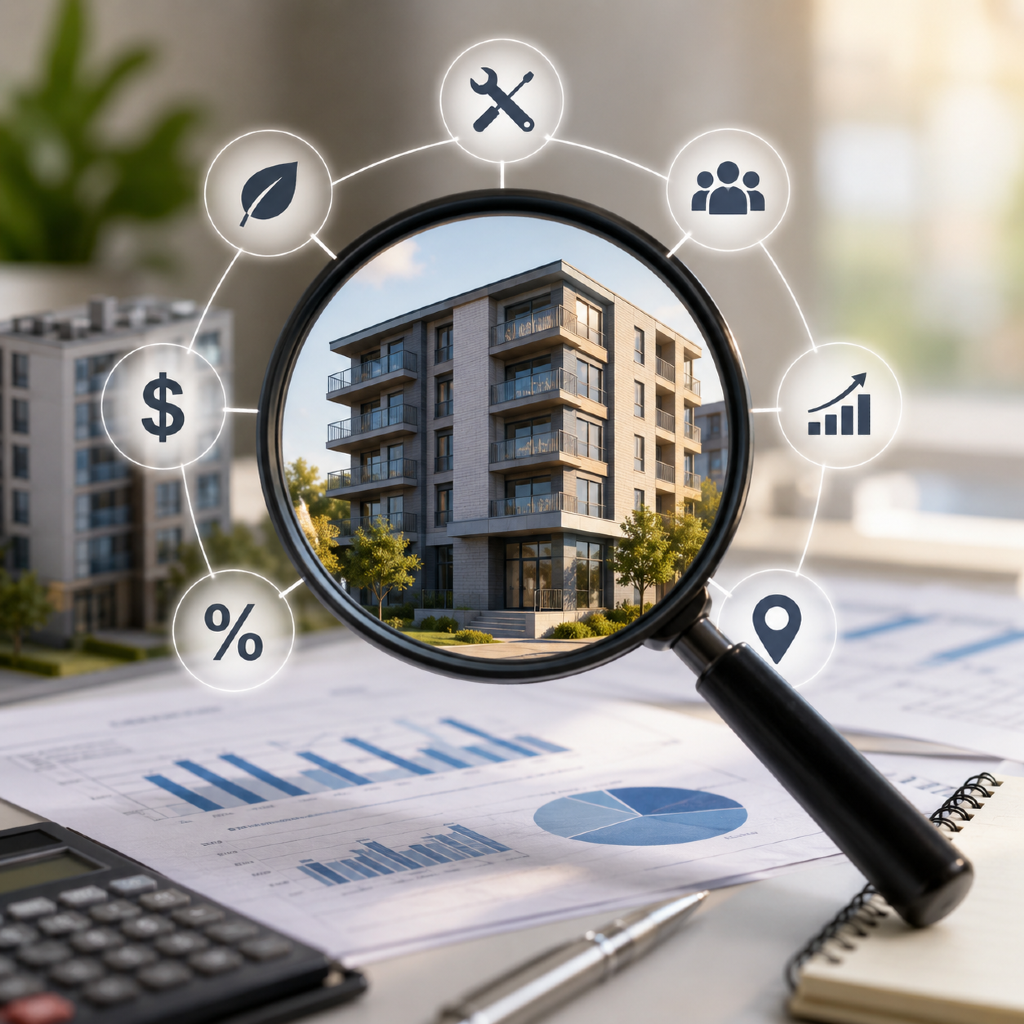
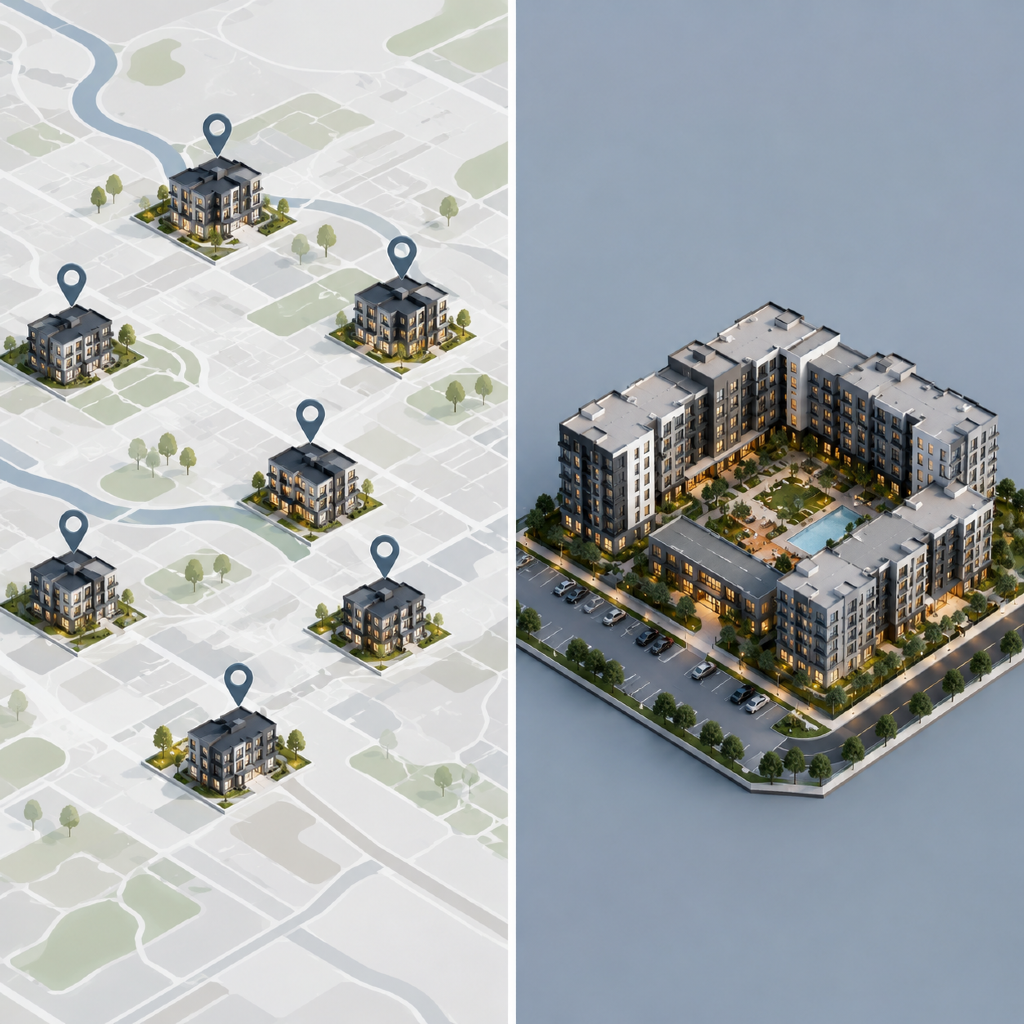
Effective site selection underpins successful conversions. Look for hotels in markets with high rental demand and favorable attitudes towards adaptive reuse. Proximity to employers, transit, and amenities will further enhance your property’s appeal to renters. Evaluate whether the property can physically and financially be converted to meet residential standards, considering local market rents and construction budgets.
Location and building features
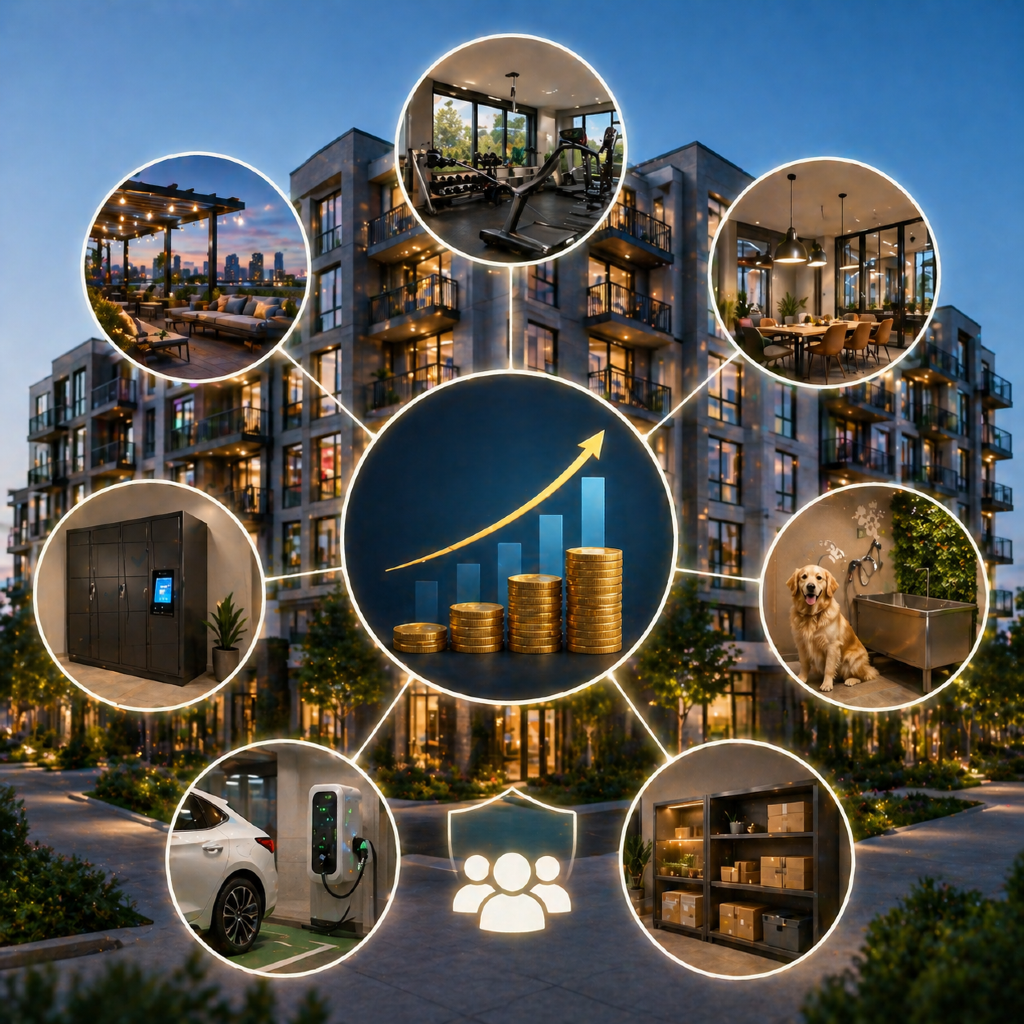
Central or easily accessible locations are prime candidates. Properties with strong bones—such as concrete construction, wide corridors, or ample structural flexibility—ease the renovation process. Ample parking, landscaped grounds, and shared amenities like fitness centers or pools can be leveraged as attractive features for future tenants. Remember, the building’s current condition and its adaptability to modern apartment living are critical factors in your decision-making.