

Auction Buys—Risks and Readiness: What Real Estate Professionals Should Know
Key Takeaways
- Success at auction requires careful due diligence and legal-financial planning.
- Agents offer valuable support by guiding buyers through complex auction procedures.
Interest in auction home purchases is growing as buyers search for new opportunities in a shifting real estate landscape. As a real estate professional, your expertise helps clients understand the nuances, risks, and preparation required for auction success. This guide covers essential information to benchmark your advisory practices and better support auction-interested buyers.
What Is an Auction Home Purchase?
Defining auction property sales
Auction property sales refer to real estate transactions where properties are sold through a competitive bidding process, often in a public or online setting. These sales can involve homes from private sellers, banks, government agencies, or even court-ordered proceedings. The final sale price is commonly determined by the highest bidder, distinguishing auctions from traditional negotiation-based sales.
How the auction process works
The auction process typically starts with property listing and promotion. On the auction day, interested buyers compete by placing bids, either in person or online. The auctioneer supervises the event, and when bidding concludes, the highest bid usually wins. Some auctions have minimum reserves; others are “absolute,” selling to the highest bidder regardless of price. Buyers are often required to make a substantial deposit and close quickly, sometimes within 30 days or less.
Why Consider Buying at Auction?
Potential advantages of auctions
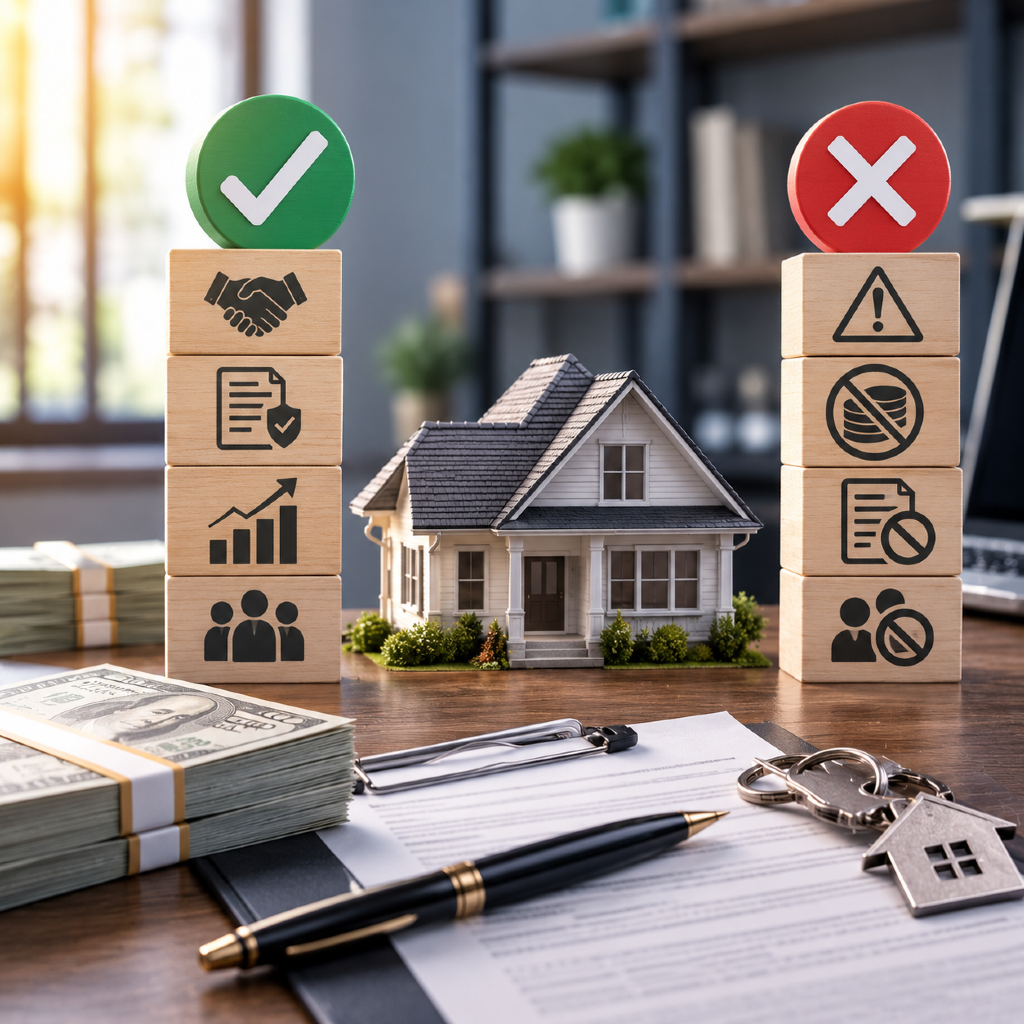
Auction purchases can offer several appealing advantages. Properties may be priced below market value, which attracts investors and budget-conscious buyers. Auctions also provide a transparent and fast-paced purchase process, reducing prolonged negotiations. Additionally, buyers may encounter less competition compared to traditional listings.
Common buyer motivations
Buyers often turn to auctions in hopes of securing a unique home or investment opportunity. Some purchase for personal use, seeking distinctive properties not widely listed. For others, the goal may be acquiring fixer-uppers or distressed assets for renovation and resale. Motivations vary but typically combine financial opportunity with a willingness to accept added responsibility and risk.
What Are the Risks of Auction Buys?
Unseen property conditions
One of the most significant risks of buying at auction is uncertainty about the property’s condition. Properties are usually sold “as-is,” which means buyers accept the property in its current state, flaws included. Limited or no access before bidding can make it difficult to assess repairs, hidden damage, or code compliance issues. In some cases, there may be unpaid liens or occupants who have not vacated.
Financing and payment challenges
Auction rules often require fast closings and non-refundable deposits. Securing traditional financing can be complicated, as lenders may hesitate to approve loans for properties with unknown conditions or unresolved legal issues. Many auctions expect buyers to pay in cash or provide proof of funds, making these transactions best suited to those with ready capital or bridge financing.
How Does Auction Differ from Traditional Sales?
Sale timeline differences
Auctions move much faster than standard real estate sales. From property listing to final sale, the process may take days or weeks, not months. Once the auction concludes, deadlines for deposits and closing are rigid—even a small delay can lead to forfeiture of earnest money or loss of the purchase altogether.
Disclosure and due diligence
Unlike traditional sales, auction properties typically offer limited seller disclosures. Buyers carry the responsibility for investigating title, property history, and existing encumbrances. While some auction platforms provide basic documents, the level of transparency usually does not match the typical real estate transaction, so you must take extra care with diligence.
What Should You Check Before Bidding?
Auction property due diligence steps
Careful research is crucial before bidding at auction. This includes reviewing title reports, public records, and any available inspection reports. Check for existing liens, zoning compliance, pending litigation, or occupancy status. Whenever possible, visit the property in person or arrange a professional assessment. Confirm all auction terms, bidding procedures, and financial requirements in advance.
Key questions to ask about properties
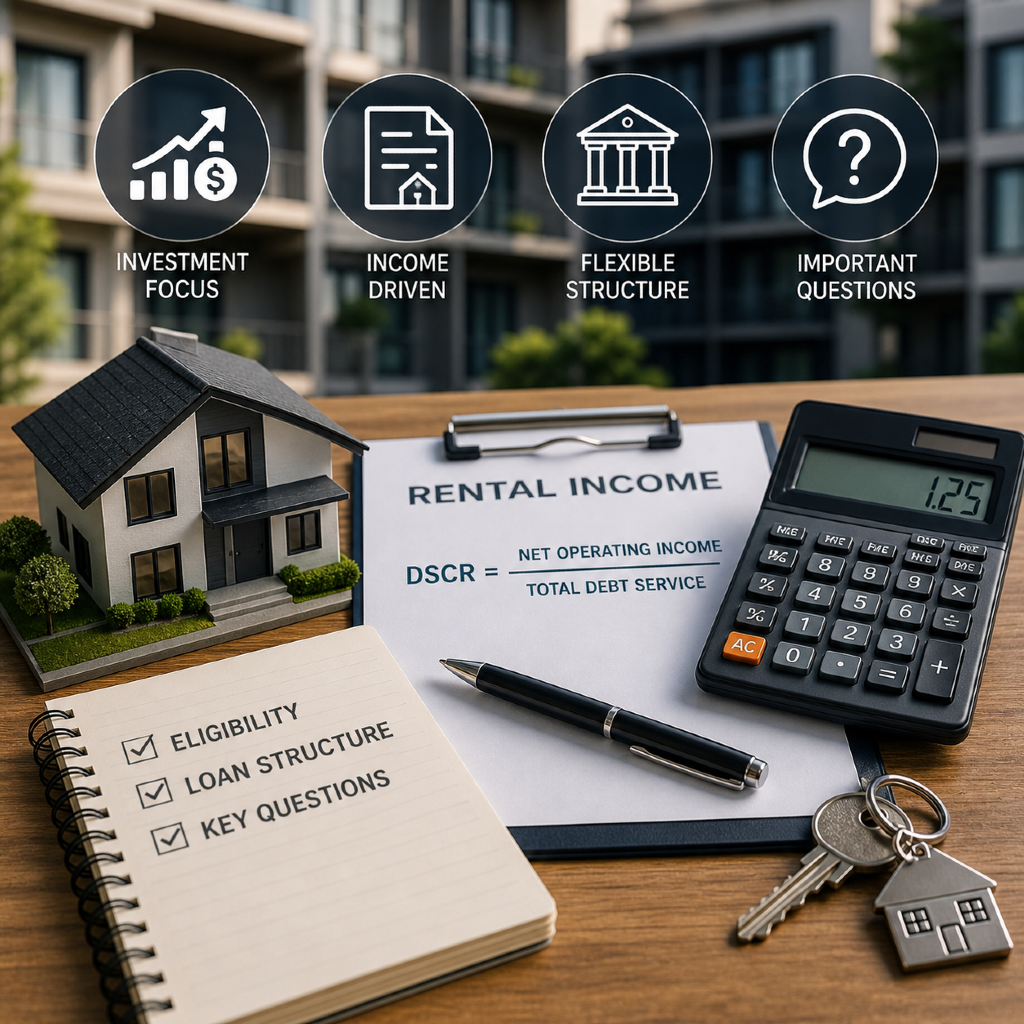
Before committing to a bid, ask:
- Are there any outstanding liens, taxes, or legal actions?
- Has the property been inspected or appraised recently?
- What are the closing timelines and payment requirements?
- Is there a minimum bid or reserve price?
- Are any repairs or evictions needed after purchase?
Carefully documenting answers to these questions helps avoid costly surprises and sets clear buyer expectations.
Readiness Checklist for Auction Buyers
Essential pre-auction tasks
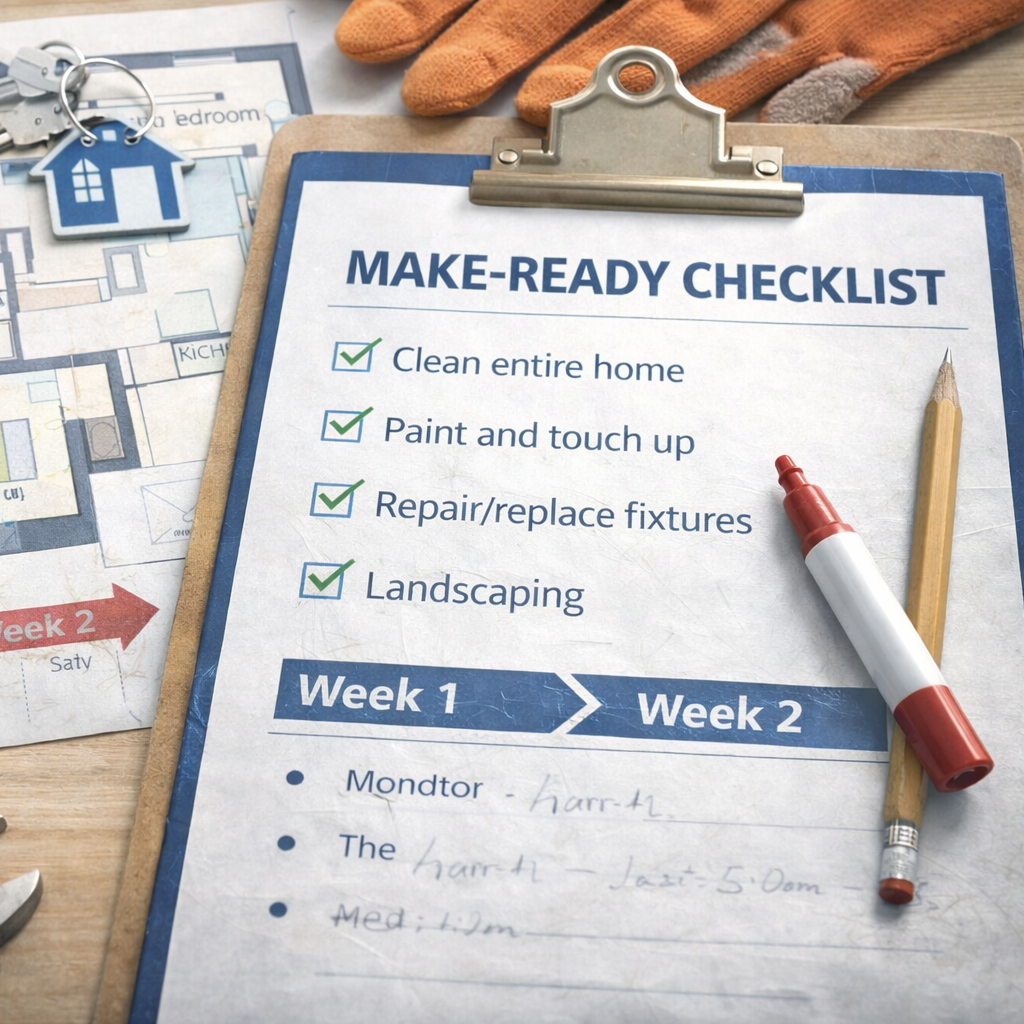
Preparation boosts buyer confidence and improves auction results. Key pre-auction tasks include:
- Registering with the auction platform or event
- Gathering property records and disclosures
- Visiting properties if possible
- Reviewing auction rules, deposits, and buyer premiums
- Setting a realistic maximum bid threshold
Legal and financial preparation
Legal readiness is vital. Buyers should consult with a real estate attorney about contract terms, especially for unfamiliar auction procedures. Secure proof of funds or pre-arranged financing well in advance—the timeline rarely allows for delay. Confirm insurance eligibility and understand post-sale transfer requirements. Document every step for personal records and compliance.
Do You Need an Agent for Auction Homes?
Agent roles during auction
Agents bring valuable expertise to auction buying, especially for those less familiar with auctions. Your responsibilities may include:
- Interpreting auction rules and explaining terms
- Helping with property research and title review
- Advising on bidder registration and strategy
- Coordinating property visits or inspections
- Guiding buyers through paperwork and legal steps
When professional guidance helps
Professional guidance is often critical when auctions are highly competitive, the property is distressed, or buyers lack prior experience. Agents also help avoid costly oversights, such as missed liens or misunderstood auction requirements. Your insights keep the process organized and compliant.
How Should Agents Advise Auction Buyers?
Best practices for client support
Support your clients by recommending independent property investigations and legal review before auction day. Help buyers track important deadlines and ensure documents and funds are ready. Reinforce the importance of clear, pre-set bidding limits to avoid emotional overspending.
Common mistakes to help clients avoid
Guide clients away from assumptions that auctions guarantee bargains or fast profits. Caution against bidding without proper research or financing. Remind buyers that the property’s condition and title can carry hidden challenges and that success depends on careful preparation—not luck or hurried decisions.
What Questions Do Clients Ask About Auctions?
Addressing typical client concerns
Clients frequently worry about the fairness of auctions, potential for overbidding, or the security of their deposits. They may be unsure about their rights if issues are found after the sale, or about the speed of the required closing.
Explaining auction rules in plain terms
Able agents turn complex terms into simple guidance. Clearly explain deposit policies, minimum bid requirements, bidder eligibility, post-auction obligations, and what “as-is” really means. Setting honest expectations builds client trust and preparedness.
Comparing Auction Agents: What Matters Most?
Agent selection criteria
When clients seek representation in auctions, suggest they look for:
- Demonstrated auction experience
- Familiarity with local auction laws and procedures
- Transparent communication style
- Strong investigative and organizational skills
- Access to legal and financial resources if needed
Evaluating auction experience
Help clients understand the value of prior auction involvement—knowledge of local auction houses, a track record guiding successful transactions, and the ability to navigate unique auction hurdles. Encourage them to ask for references and clarify how the agent will support them throughout the auction process.