

Key Takeaways
- Strong knowledge of habitability standards helps you protect your clients and your business.
- Accurate disclosure, clear communication, and thorough documentation are crucial for minimizing liability.
Navigating the world of habitability standards has never been more important for real estate agents. As expectations evolve in 2026, understanding your role in compliance and communication will be central to success. This guide breaks down what you need to know, so you can confidently guide clients and protect your reputation.
What Are Habitability Standards?
Key elements of habitability
Habitability standards define the minimum living conditions that a property must provide to be legally and safely occupied. These requirements make sure properties are suitable for human habitation, focusing primarily on health, safety, and comfort. As an agent, you’ll need to understand basics such as access to heat, safe electrical systems, functioning plumbing, sound structural integrity, and protection from environmental hazards.
Common requirements in 2026
In 2026, standards remain centered on fundamentals, but local regulations continue to adapt in response to advances in building technology and growing awareness of health risks. Typical requirements include operable windows, proper ventilation, reliable hot and cold water, adequate lighting, and up-to-date fire safety systems. Several jurisdictions now require lead and asbestos disclosures, and efficient energy systems are increasingly being emphasized.
Why Do Habitability Standards Matter?
Impact on buyers and sellers
Habitability standards affect both sides of a transaction. Buyers depend on these rules to ensure they’re investing in a safe and livable home. Sellers, on the other hand, are expected to verify that properties meet minimum conditions before listing. By clearly identifying and addressing any issues early, you foster smoother transactions and positive client experiences.
Relationship to marketability
A property that fails to meet habitability standards is harder to market, reduces buyer interest, and may not qualify for certain loans or insurance. Ensuring compliance not only protects your clients but also preserves your listing’s market value. Proper handling of these matters can showcase your attention to detail and help you earn client trust in competitive markets.
How Do Habitability Rules Affect Buyers?
Addressing client concerns
Buyers today are increasingly aware of their rights regarding property condition. You should be prepared to answer questions about health hazards, pest infestations, or outdated systems. Provide clear, fact-based information to help your clients make informed choices. Whenever concerns arise, recommend involving qualified inspectors to assess the property’s compliance.
Buyer protections in place
Legal frameworks in 2026 continue to safeguard buyers with disclosure requirements, inspection windows, and contractual protections. Make sure your clients understand their right to request repairs, renegotiate, or withdraw if significant habitability issues emerge before closing. Reinforce your supportive role by clarifying timelines and documentation needed for each step.
Agent Responsibilities for Home Condition
Disclosure obligations
As an agent, your fundamental duty is to disclose all known material facts about a property’s condition. Most states require written disclosure forms identifying structural issues, code violations, or known hazards like mold. Never minimize or withhold details—transparent communication reduces your risk of complaints or legal claims.
Communicating with clients
Open, honest communication keeps your clients engaged and informed. Talk through inspection findings and clarify what each item means. When uncertainties arise, explain the next steps, including further investigations or consultations. Your professionalism in these conversations sets the tone for trust and reduces stress during what can be an emotional transaction.
Can Agents Be Held Liable for Non-Compliance?
Potential liability scenarios
Agents can be held liable if they knowingly conceal defects, provide misleading information, or fail to fulfill legal disclosure duties. Common scenarios include ignoring evidence of water damage, overlooking electrical hazards, or advising clients to disregard required repairs. Such oversights can result in financial loss, disputes, or even loss of license.
Steps to minimize risk
To protect yourself, document all disclosures, conversations, and recommendations in writing. Use standardized forms and seek written acknowledgment from clients when possible. Encourage independent inspections, refer clients to qualified professionals for questions beyond your expertise, and avoid making promises about the property’s condition outside the scope of your knowledge.
What If Habitability Issues Are Found?
Resolution strategies
If an inspection or buyer’s walkthrough uncovers habitability problems, act promptly. Options may include negotiating repairs, offering credits at closing, or adjusting the contract terms. Work collaboratively with both parties to reach fair resolutions, always staying within legal and ethical boundaries.
Documentation and recordkeeping
Maintain detailed records at every stage: disclosures, inspection summaries, repair quotes, and all communications. Good documentation helps resolve disputes and demonstrates diligent representation should your actions ever be questioned.
How Can Agents Demonstrate Compliance?
Effective checklists and tools
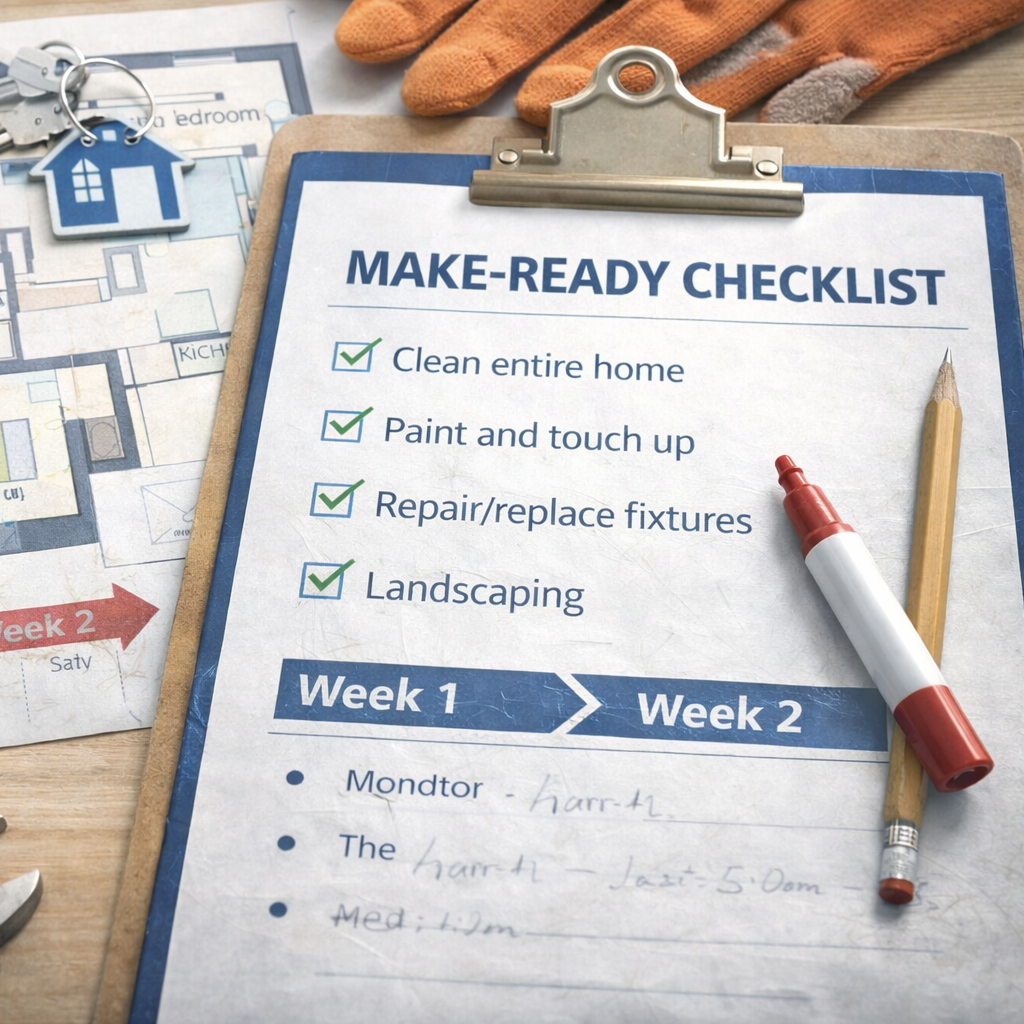
Adopt checklists tailored to common habitability issues in your area. These may include plumbing, electrical, roofing, HVAC, and environmental concerns. Digital platforms and transaction management software can help organize documentation and track milestones throughout each deal.
Best practices for 2026
Stay updated on your local codes and streamline operations with cloud-based systems so you can share documents easily with clients. Participating in continuing education and workshops will keep your understanding sharp and help you anticipate changes in compliance expectations.
Questions to Ask About Habitability
Due diligence for agents
As you evaluate new listings or properties for buyers, ask questions such as: Is the roof in good repair? Are heating and cooling systems operational? Have there been past environmental or pest concerns? Don’t hesitate to consult local code officials or inspectors for guidance when needed.
Supporting informed decisions
Encourage your clients to ask questions, obtain multiple opinions when appropriate, and consider independent inspections. Your support in their due diligence process shows you value their safety and satisfaction.
Evaluating Agent Knowledge of Habitability Laws
Core competency markers
A knowledgeable agent understands both the basics and nuances of habitability standards that apply to properties in their area. You demonstrate competence by correctly completing disclosures, accurately explaining requirements to clients, and knowing when to seek expert advice.
Staying current on regulations
Make it a habit to review updates from local housing authorities, attend briefings, and review professional publications regularly. Laws can and do change—being proactive sets you apart and minimizes the chances of unintentionally missing a critical detail.
What Is the Agent’s Role in Disclosure?
Legal versus ethical duties
Your legal duty focuses on factual, mandatory disclosures. Ethically, you may choose to go further by helping clients anticipate potential problems before they become serious. Strong ethical practices build a reputation for reliability and transparency.
Building client trust
Consistent, candid disclosure inspires client trust and positive word-of-mouth. Remember: it’s better to lose a sale than to cut corners or withhold relevant information. Your role is advisory, guiding clients through complex decisions with clear information.
Liability Concerns for Home Sellers
Advising sellers responsibly
Guide sellers to address habitability concerns before listing. This includes recommending pre-inspections, making needed repairs, and completing all required disclosures honestly and thoroughly.
Collaborating on habitability
Act as a resource for sellers—connect them with qualified contractors or inspectors, help them understand their obligations, and promote clear, consistent communication to avoid transaction delays.
Frequently Asked Questions in 2026
Habitability myths debunked
Common misconceptions, such as assuming cosmetic issues don’t matter or believing that “as-is” means no disclosure is needed, can create problems. In reality, material conditions impacting safety or habitability must always be addressed.
Clarifying agent obligations
Remember, your primary duty is education—not making promises or guarantees. Focus on clear explanations, recommend professional guidance as needed, and prioritize the best interests of all parties.