

Key Takeaways
- Careful review of loan covenants is essential for mitigating financial and operational risks in real estate deals.
- Understanding covenant trends and negotiation opportunities in 2026 empowers investors to make more informed decisions.
Many real estate investors are familiar with interest rates and repayment schedules, but loan covenants can be just as critical. These specific clauses shape investment outcomes, influence risk, and determine flexibility. As the 2026 landscape evolves, knowing which covenants to watch can set you apart and help protect your investments.
What Are Loan Covenants?
Basic definition and purpose
Loan covenants are legally binding terms in a loan agreement that set conditions on the borrower’s behavior. Lenders use these to help ensure their loan gets repaid and that the value of their collateral, often property, is preserved. For you as an investor, these terms help clarify the expectations and the lender’s level of control over the real estate project.
Types of loan covenants
Covenants fall into two main categories:
- Positive (or Affirmative) Covenants: Actions the borrower must take, such as maintaining insurance or providing regular financial reports.
- Negative Covenants: Restrictions that prevent the borrower from taking certain actions, like taking on more debt without approval or selling assets.
You’ll also encounter financial, operational, and reporting covenants, each with unique roles.
Where they appear in deals
You’ll find covenants spelled out in the loan agreement or promissory note, often highlighted under separate headings. They may also be embedded in broader documents, especially in commercial real estate deals or syndicated loans.
Why Do Loan Covenants Matter to Investors?
Investor protections offered
Strong covenants can help protect your investment. They can:
- Limit risky borrower behavior
- Mandate regular disclosures
- Support early warning systems for financial trouble
This structure gives you, and other investors, the transparency needed to make decisions before small problems become bigger ones.
Potential risks from covenants
However, covenants have a double edge. They can trigger a technical default, sometimes over events that don’t harm the project’s actual value. Overly strict or unclear covenants can cause unnecessary stress, legal costs, or even loan acceleration.
How covenants impact deal terms
The number and strictness of covenants often correspond with a loan’s risk. For example, a deal with flexible covenants may carry higher interest, while tighter covenants might mean more favorable pricing but less borrower flexibility. Understanding this balance helps you weigh potential returns against constraints.
Key Loan Covenants in Real Estate
Financial covenants examples
Common financial covenants in real estate deals include:
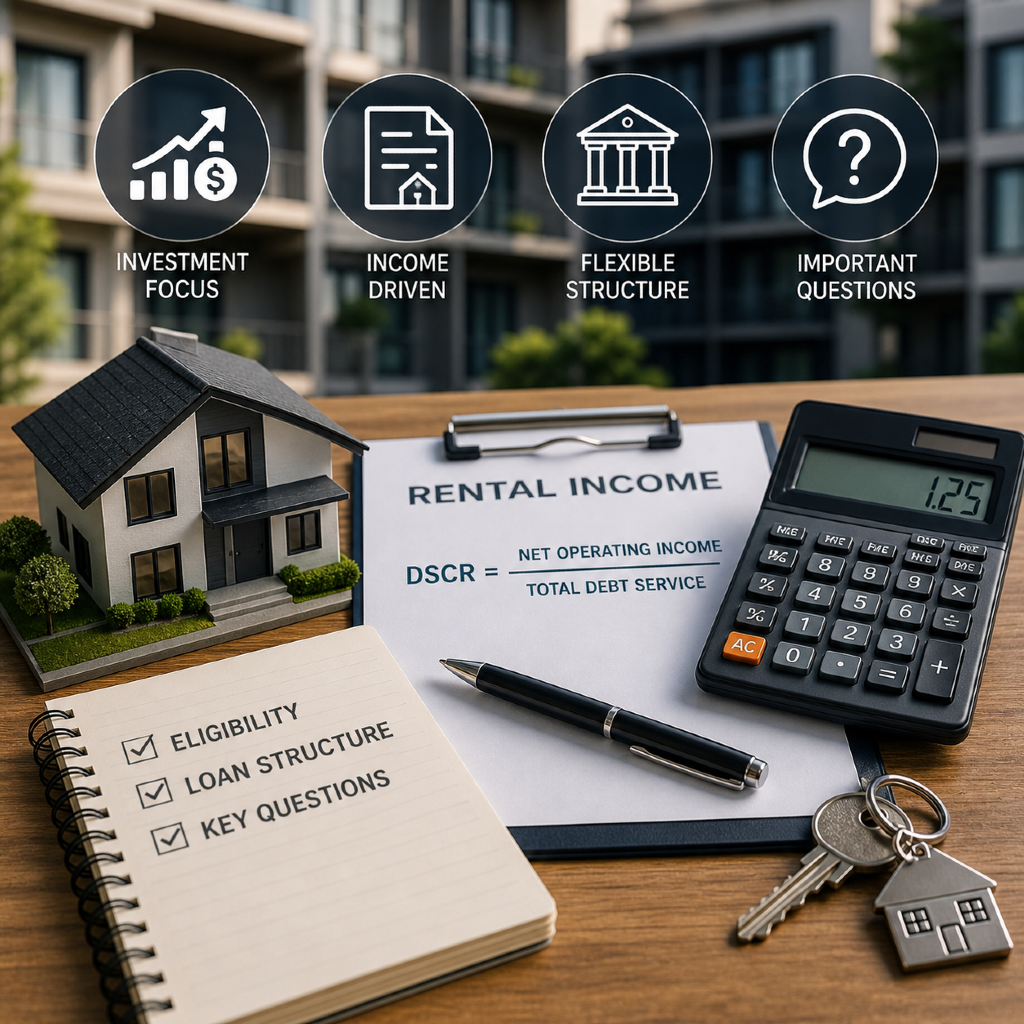
- Debt Service Coverage Ratio (DSCR): Ensures net operating income exceeds debt payments by a set ratio.
- Loan-to-Value (LTV) Ratio: Places a cap on how much is borrowed compared to the property value.
- Net Worth or Liquidity Requirements: Requires the borrower or sponsor to maintain a minimum net worth or cash reserves.
Operating covenants in deals
Operating covenants address how the property is managed. These may require property upkeep, compliance with leasing standards, or limits on major capital expenditures without lender approval. Pay close attention here—these can affect daily operations and long-term viability.
Reporting and disclosure clauses
Lenders may require periodic updates such as rent rolls, financial statements, or appraisal reports. These requirements ensure transparency but also add administrative work and deadlines for you as the deal sponsor or investor.
Which Loan Covenants Should Investors Flag?
Common red flags in 2026
In 2026, lenders may respond to economic shifts with tighter controls. Key red flags include:
- Hidden triggers for technical default (like minor reporting shortfalls)
- Accelerated repayment clauses based on market benchmarks
- Vague definitions that leave room for lender interpretation
Covenants that limit investor flexibility
Watch for:
- Restrictions on refinancing or additional borrowing
- Requirements for lender approval for routine property improvements
- Limitations on equity distributions even when metrics are met
Flag these if you want flexibility during the hold period.
Hidden risks in amendment clauses
Pay attention to how covenants can be changed after closing. Some agreements allow lenders to unilaterally adjust terms, or make amendments based on third-party assessments. Always check amendment procedures for clarity and investor safeguards.
How Can Investors Evaluate Loan Covenants?
Step-by-step assessment process
- Review all covenants in the draft loan agreement—don’t rely on summaries.
- Map covenants against your business plan and projected cash flows.
- Identify potential triggers for default or restrictions on operations.
- Engage legal and financial professionals to clarify ambiguous points.
Questions to ask about loan terms
When assessing covenants, ask:
- Which events specifically trigger breaches?
- Are cure periods provided for covenant defaults?
- What reporting deadlines exist and how strict are the requirements?
- Can covenants be loosened in exchange for higher rates?
Using covenant checklists
Standard checklists help ensure nothing is missed. Common items include DSCR, LTV, Net Worth, insurance requirements, approval rights for property management, and amendment procedures.
What Happens if Covenants Are Breached?
Remedies available to lenders
If a covenant is breached, lenders have several remedies:
- Issuing a formal notice of default
- Charging penalty interest
- Freezing distributions
- In extreme cases, accelerating the loan or foreclosing on the asset
Effects on project and investors
A technical default may harm your project’s reputation and disrupt operations, even if loan payments remain current. Investors might face delays in distributions or added uncertainty regarding the project’s status.
Mitigation strategies for breaches
You can reduce risk by:
- Negotiating for cure periods (extra time to correct breaches)
- Building in periodic reviews and updates of benchmarks
- Maintaining open communication with all parties for early problem detection
What Are the Trends for Loan Covenants in 2026?
Recent changes in covenant standards
Evolving credit markets are pushing both lenders and borrowers to revisit traditional covenant packages. Data analytics and real-time reporting have encouraged some relaxation of manual reporting requirements, but risk sensitivities have kept leverage and liquidity limits strict.
How the market is adapting
Lenders are now leaning on technology to monitor compliance, sometimes reducing manual intervention but increasing automatic triggers. You’ll also see custom covenants in larger or more complex deals tailored to project risk profiles.
Potential future covenant shifts
Looking ahead, expect:
- More dynamic or floating triggers tied to macroeconomic metrics
- Greater granularity in reporting requirements
- Continued blend of flexibility for strong sponsors and stricter controls for newer entrants
Can Investors Negotiate Loan Covenants?
Opportunities for negotiation
Many covenants are negotiable, especially if you have a strong track record or a unique property. You can often propose alternative benchmarks, more generous cure periods, or relaxed reporting requirements in exchange for higher rates or larger deposits.
Strategies to improve terms
Approach negotiations with:
- A clear business plan showing project strength
- Data on comparable market deals
- Willingness to provide additional guarantees if needed
This can help you tailor covenants to fit genuine risks while maintaining operational flexibility.
Limitations investors may face
Some covenants, such as those mandated by regulatory bodies or syndicate agreements, are rarely negotiable. Be ready for lenders to stand firm on certain terms, especially in risk-averse market cycles.